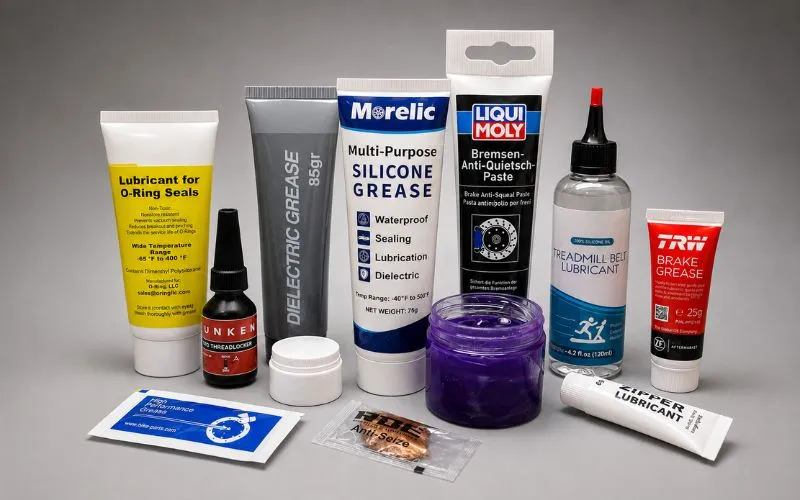
What Is Silicone Grease?
Silicone grease is a waterproof lubricant made by combining silicone oil with a thickening agent, typically silica.
Unlike conventional petroleum-based greases, silicone grease remains stable over a wide temperature range and is highly compatible with rubber, plastic, ceramic, and many non-metallic materials. Because of these properties, it is widely used in plumbing systems, automotive components, electrical connectors, food processing equipment, and industrial sealing applications.
The most common silicone grease formulation consists of:
- Silicone oil (PDMS)
- Silica thickener
- Performance additives (optional)
The result is a semi-solid lubricant that combines sealing, lubrication, moisture resistance, and long-term stability.
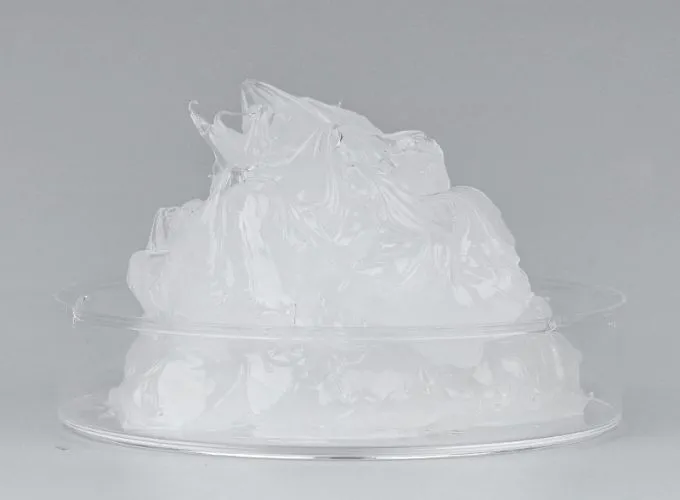
What Is Silicone Grease Made Of?
1. Silicone Oil
The base fluid is usually Polydimethylsiloxane (PDMS), a synthetic silicone polymer known for:
- Thermal stability
- Water repellency
- Low volatility
- Electrical insulation
- Oxidation resistance
PDMS is the primary ingredient responsible for the grease’s lubrication performance.

2. Thickener
Most silicone greases use:
- Fumed silica
- Amorphous silica
The thickener converts the liquid silicone oil into a grease-like consistency while helping retain the lubricant in place.
3. Functional Additives
Depending on the application, manufacturers may add:
- PTFE
- Corrosion inhibitors
- Food-grade additives
- Extreme-pressure additives
- Anti-wear additives
These additives allow silicone grease to serve specific industries and performance requirements.
Key Properties of Silicone Grease
Excellent Water Resistance
Silicone grease is highly hydrophobic and creates a moisture barrier that protects components from water intrusion and corrosion. This makes it particularly useful in plumbing systems and outdoor equipment.
Wide Operating Temperature Range
Most silicone greases operate between:
-40°C to +200°C
Special formulations can extend beyond this range depending on the base oil and additives.
Rubber and Plastic Compatibility
Unlike many petroleum-based lubricants, silicone grease generally does not cause swelling, cracking, or degradation of:
- EPDM
- NBR
- Neoprene
- Plastic components
- Rubber seals
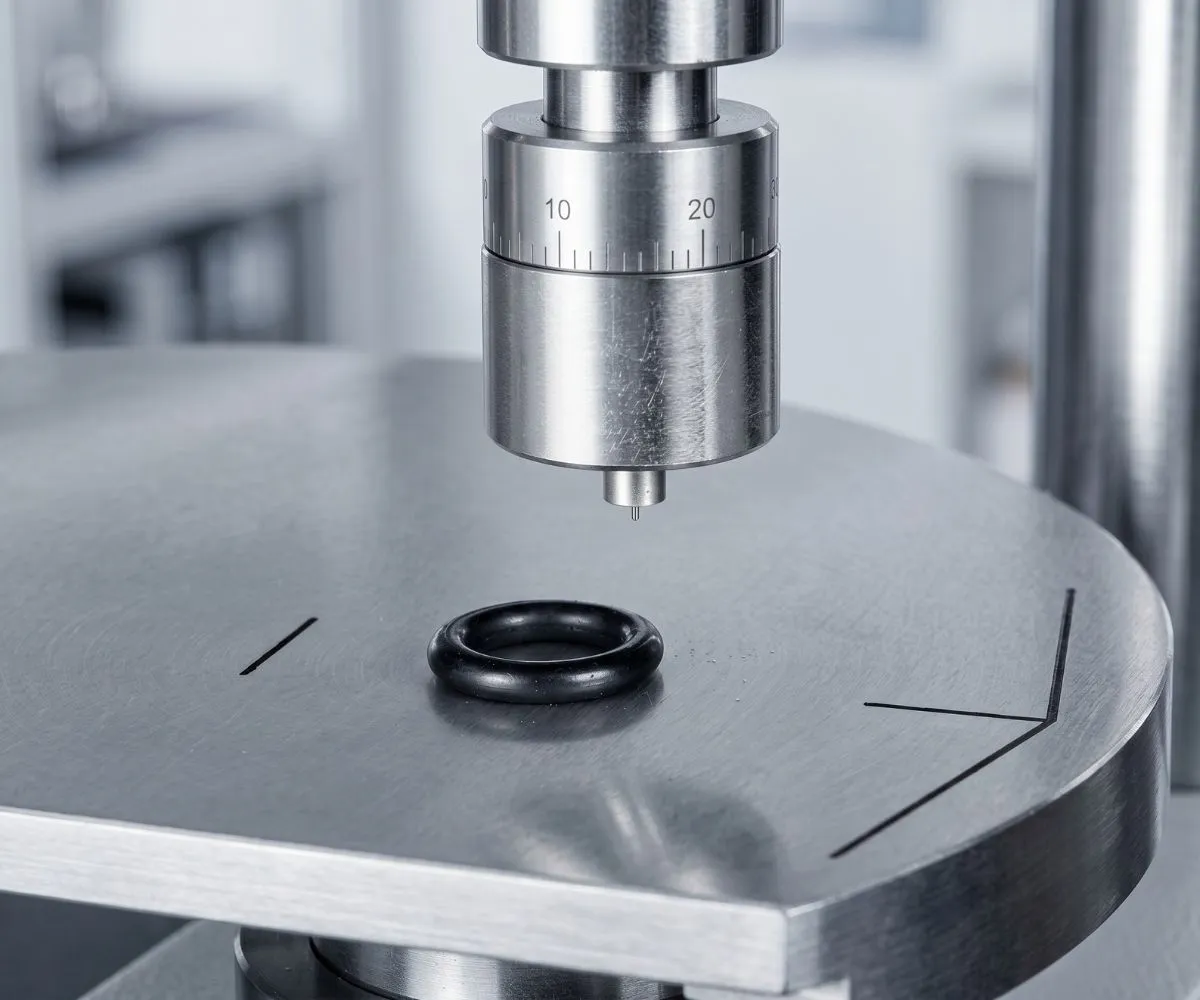
This is one of the primary reasons silicone grease is commonly used on O-rings and gaskets.
Electrical Insulation
Silicone grease is electrically non-conductive and is often used as dielectric grease to protect electrical connectors from moisture and oxidation.
Oxidation and Aging Resistance
Silicone grease maintains performance over long service intervals because silicone oils are inherently resistant to oxidation and environmental degradation.
What Is Silicone Grease Used For?
O-Rings and Rubber Seals
One of the most common applications.
Silicone grease:
- Reduces installation friction
- Prevents seal tearing
- Improves sealing performance
- Extends O-ring service life
Typical applications include:
- Pumps
- Water filters
- Hydraulic equipment
- Faucets
- Coffee machines
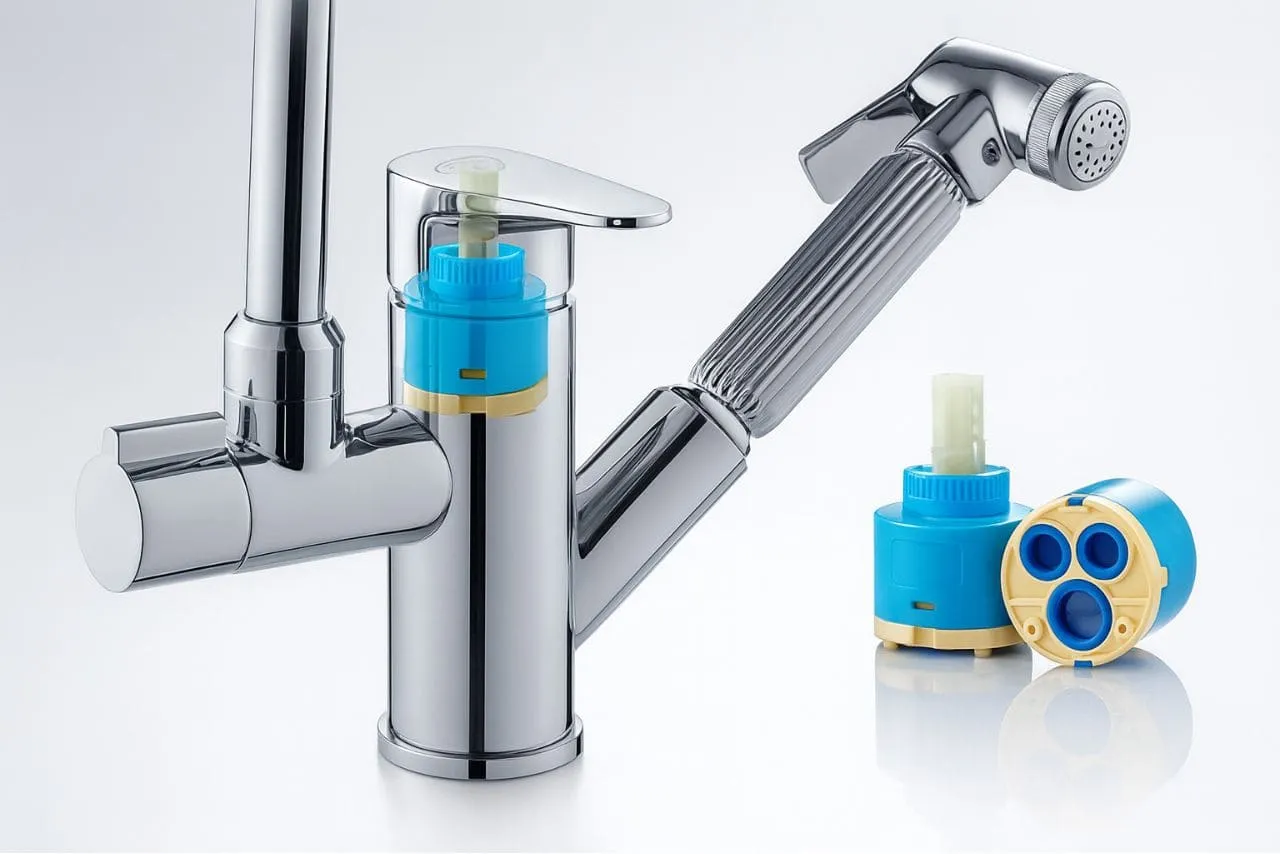
Plumbing Systems
Silicone grease is widely used in:
- Faucet cartridges
- Valve stems
- Plumbing fittings
- Water control valves
Because it is waterproof and compatible with potable water systems, it is often referred to as plumbers grease.
Electrical Connectors
Silicone grease is frequently used as dielectric grease for:
- Spark plug boots
- Battery terminals
- Automotive connectors
- Marine electrical systems
Its primary role is not conductivity but protection against moisture, oxidation, and corrosion.
Automotive Components
Common uses include:
- Brake rubber parts
- Weather stripping
- Door seals
- Electrical connectors
- Ignition systems
Silicone grease helps prevent squeaks, sticking, and moisture-related failures.
Food Processing Equipment
NSF H1 food-grade silicone grease is commonly used in:
- Beverage machines
- Coffee machines
- Food mixers
- Water treatment equipment
where incidental food contact may occur.
Silicone Grease vs Lithium Grease
| Property | Silicone Grease | Lithium Grease |
|---|---|---|
| Base Oil | Silicone Oil | Mineral/Synthetic Oil |
| Water Resistance | Excellent | Good |
| Rubber Compatibility | Excellent | Limited |
| Plastic Compatibility | Excellent | Limited |
| Electrical Insulation | Yes | No |
| High Temperature Stability | Excellent | Moderate |
| Heavy Load Capacity | Moderate | Better |
| Metal-to-Metal Lubrication | Limited | Excellent |
For metal bearings and heavy-load applications, lithium grease is usually preferred.
For rubber, plastic, O-rings, seals, and electrical systems, silicone grease is generally the better choice.
Silicone Grease vs Dielectric Grease
Many people assume these are different products.
In reality, most dielectric greases are silicone greases formulated specifically for electrical applications. They typically use the same base ingredients:
- Silicone oil (PDMS)
- Silica thickener
The difference is primarily the intended application and performance testing rather than the fundamental chemistry.
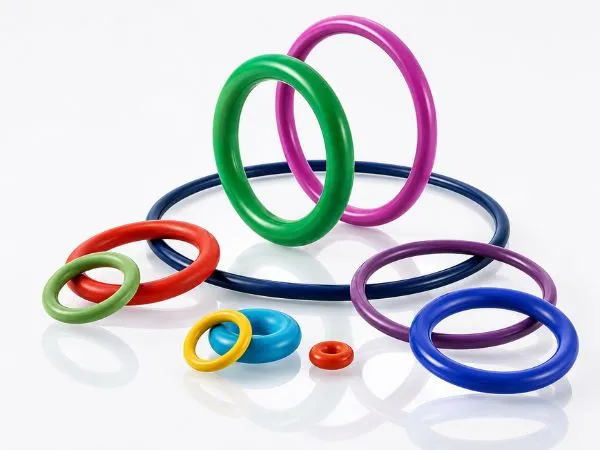
Is Silicone Grease Safe for Rubber?
In most cases, yes.
Silicone grease is commonly recommended for:
- EPDM
- Nitrile (NBR)
- Neoprene
- FKM (Viton)
- Natural rubber
This compatibility makes it one of the most widely used lubricants for sealing systems. However, compatibility should always be verified for specific formulations and operating conditions.
When Should You Not Use Silicone Grease?
Silicone grease is not the ideal choice for every application.
Avoid using it when:
Heavy Metal-to-Metal Loads
For bearings, gears, and heavily loaded metal surfaces, lithium, calcium sulfonate, or EP greases usually provide better load-carrying performance.
Extremely Aggressive Chemical Environments
PFPE grease often provides superior resistance in:
- Semiconductor manufacturing
- Oxygen systems
- Strong chemicals
- Vacuum systems
Certain Silicone Rubber Applications
Some silicone rubber materials may swell when exposed to silicone-based lubricants, so compatibility testing is recommended.
How to Choose the Right Silicone Grease
When selecting a silicone grease, evaluate:
Operating Temperature
Choose a formulation capable of handling both minimum and maximum service temperatures.
Material Compatibility
Verify compatibility with:
- Rubber
- Plastic
- Metal
- Composite materials
Food Contact Requirements
For food-processing equipment, select NSF H1 certified formulations.
Electrical Requirements
For connectors and ignition systems, choose dielectric-grade silicone grease.
Application Environment
Consider:
- Water exposure
- Chemical exposure
- Outdoor weathering
- Dust contamination
Different environments may require different viscosity grades and additive packages.
Frequently Asked Questions
Is silicone grease waterproof?
Yes. Silicone grease is highly water resistant and is commonly used to seal and protect components exposed to moisture.
Does silicone grease conduct electricity?
No. Silicone grease is an electrical insulator and is often used as dielectric grease.
Can silicone grease be used on O-rings?
Yes. O-rings are one of the most common applications for silicone grease because of its excellent rubber compatibility.
Is silicone grease food safe?
Only food-grade formulations certified for incidental food contact should be used in food-processing equipment.
How long does silicone grease last?
Silicone grease generally offers long service life due to its resistance to oxidation, moisture, and temperature extremes, though actual life depends on operating conditions.
Conclusion
Silicone grease is a silicone oil-based lubricant thickened into a semi-solid form that provides outstanding water resistance, rubber compatibility, electrical insulation, and temperature stability. Whether used on O-rings, plumbing valves, electrical connectors, food equipment, or automotive seals, it helps reduce wear, improve sealing performance, and extend component life.
For applications involving rubber, plastic, moisture exposure, or electrical insulation, silicone grease is often the preferred choice over conventional petroleum-based lubricants.