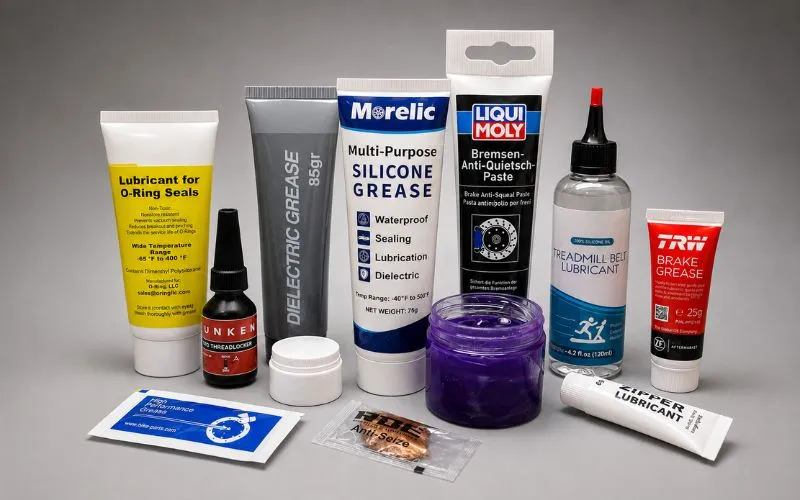
Dry Film Lubricant Manufacturer
PTFE Dry Lubrication Solutions
Advanced PTFE & Fluoropolymer Semi-Dry Lubricants for Clean, Low-Friction and Long-Life Applications
Engineered for metal, plastic, and precision mechanical assemblies. Upon solvent evaporation, our coating technology deposits a micro-thin, solid fluoropolymer film. This layer delivers sustained low friction, prevents galling, and maintains operational cleanliness without attracting airborne particulates.
What Is Dry Film Lubricant?
Dry Film Lubricant (DFL) is a coating-based tribological technology. Supplied in a liquid carrier, it deposits a micro-thin layer of solid lubricating particles—predominantly PTFE and proprietary fluoropolymers—onto the substrate after solvent evaporation.
Unlike traditional grease and oil lubricants that remain fluid and tacky, dry film coatings cure to a dry, solid state. This fundamental difference resolves critical engineering challenges: it provides boundary lubrication without acting as a magnet for dust, dirt, or abrasive contaminants.
- PTFE & Fluoropolymer Based Technology
- Sub-micron Solid Lubricant Particles
- Extremely Low Coefficient of Friction
- Clean, Non-Migrating Surface Protection
Film Formation Process
How Does Dry Film Lubricant Work?
The application and curing process transforms liquid dispersion into a durable, solid tribological interface.
Surface Cleaning
Components are degreased to ensure optimal adhesion of the fluoropolymer matrix to the substrate.
Apply Coating
A micro-thin layer of liquid lubricant dispersion is applied via spraying, dipping, or precision dispensing.
Solvent Evaporates
The carrier fluid flashes off at room temperature or under forced heat, leaving only solid particles.
Solid Film Protects
A dry, bonded PTFE film remains, isolating surfaces to prevent wear, noise, and stick-slip motion.
Dry Film Lubricant vs Grease & Oil
Evaluating the tribological differences to select the correct lubrication methodology for your assembly.
| Feature | Dry Film Lubricant | Grease / Oil |
|---|---|---|
| Clean Lubrication | Excellent | Medium / Poor |
| Dust & Dirt Resistance | Excellent (Non-tacky) | Limited (Attracts dust) |
| Film Thickness | Ultra-thin (2-10 µm) | Thick / Variable |
| Precision Mechanisms | Excellent | Limited (Viscous drag) |
| Plastic Compatibility | Excellent (Inert) | Depends on base oil |
| Maintenance Frequency | Significantly Reduced | Higher (Requires re-lube) |
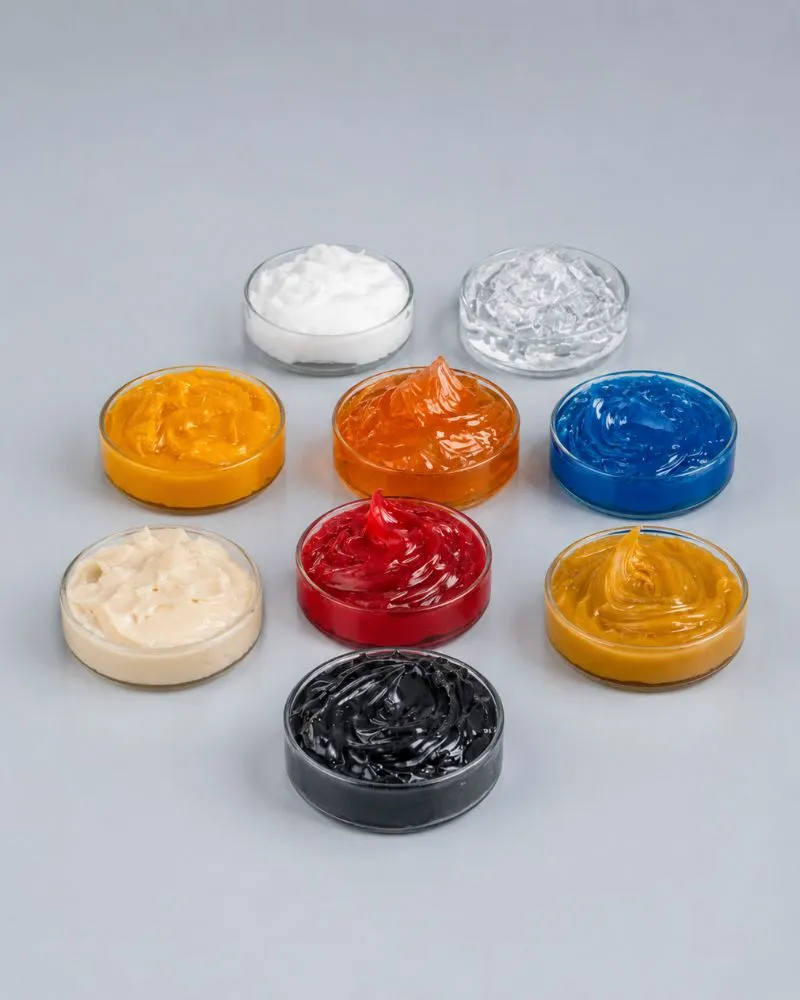
Attracts dust and causes abrasive wear
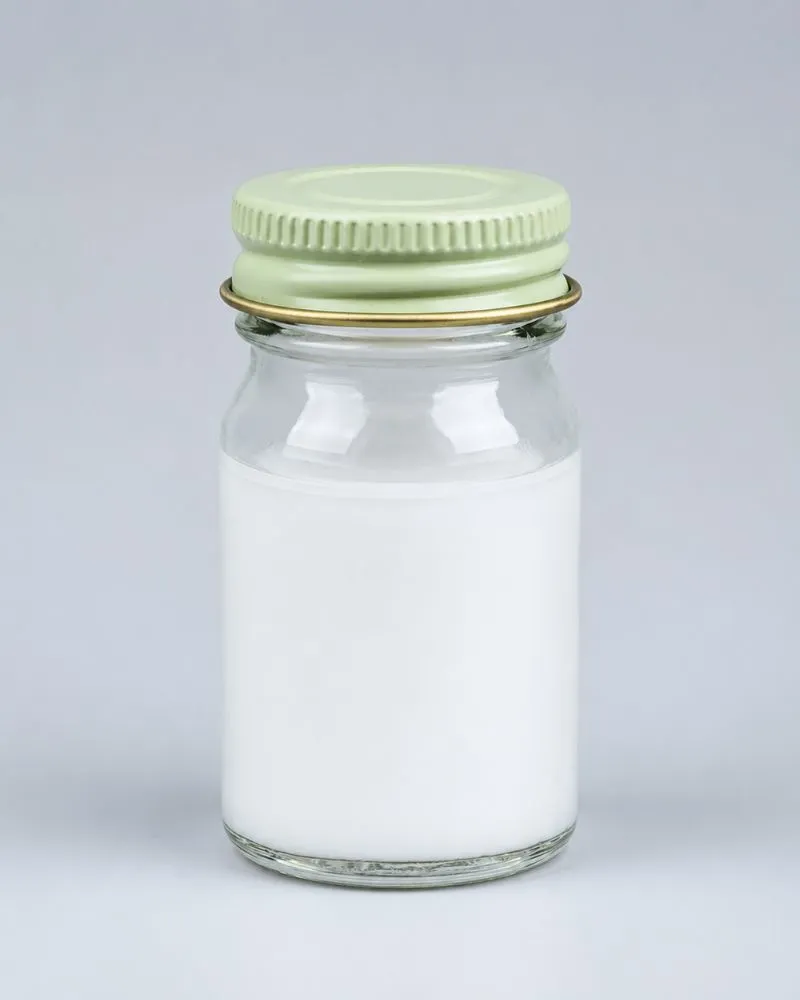
Clean, dry surface repels contamination
Dry Film Lubricant Product Range
Engineered formulations for specific industrial tribology requirements.
| Product Name | Main Ingredients | Appearance | Flash point | Characteristics | Application |
|---|---|---|---|---|---|
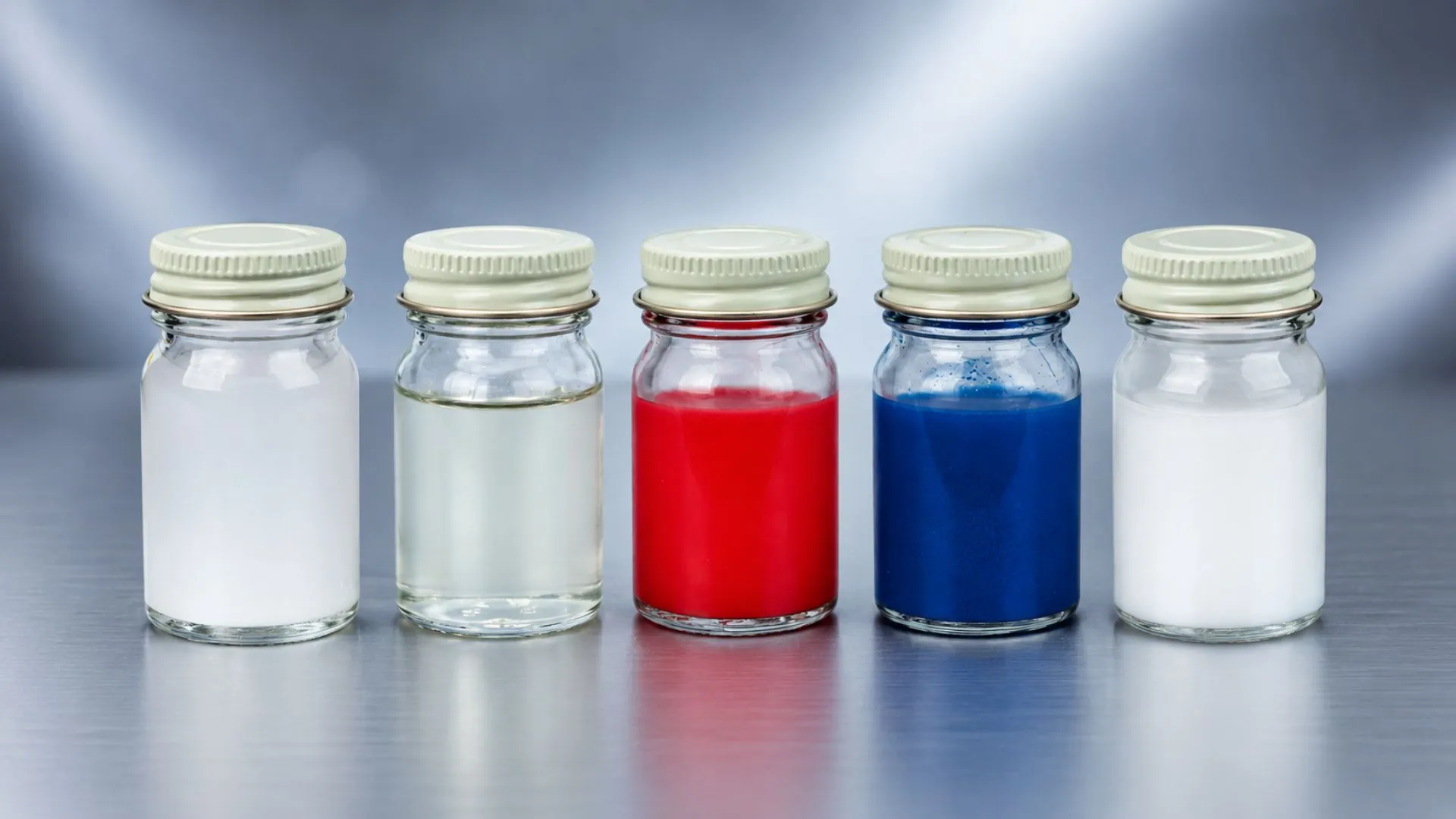
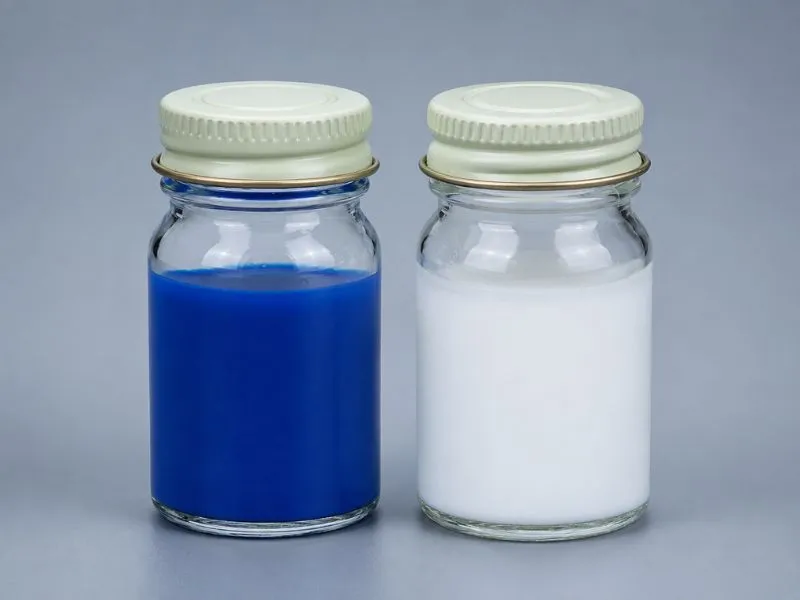
| General Purpose Dry Film | Fluorine-based solvent + Fluorine lubricant | Milky White | None | Balanced formulation for everyday plastic and metal sliding friction reduction. | Plastic parts, Sliding components, Guide rails, Toys. |
| PTFE Low Friction Dry | Fluorine-based solvent + Fluorine lubricant | White Translucent | None | High-concentration PTFE matrix for ultra-low static and dynamic friction coefficients. | Precision mechanisms, Electronic devices, Optical equipment, Camera lenses. |
| Transparent Dry Film | Fluorine-based solvent + Fluorine lubricant | Transparent | None | Optically clear formulation leaving no visible white residue after curing. | Appearance-sensitive consumer electronics, Display hinges, Clear plastics. |
| Colored ID Dry Film | Fluorine-based solvent + Fluorine lubricant | Colored (Various) | None | UV-traceable or pigmented formulations for automated optical inspection (AOI). | Manufacturing process identification, Assembly line QA verification. |
Need a Custom Formula?
Our R&D team can adjust viscosity, solvent evaporation rate, and PTFE concentration to meet your exact manufacturing specifications.
Why Choose Morelic Dry Film Lubricants?
Technical advantages that improve product reliability and lifespan.
Low Friction Performance
Significantly reduces static and dynamic friction coefficients, eliminating stick-slip phenomena and improving movement efficiency in tight tolerances.
Excellent Wear Resistance
Forms a tenacious boundary layer that protects mating surfaces during repeated sliding, preventing galling and micro-welding on metals.
Clean Operation
Cures to a completely dry state. Leaves no sticky residue, thereby eliminating dust accumulation and abrasive particle entrapment.
Wide Material Compatibility
Chemically inert carrier solvents ensure safe application on Metals, ABS, PC, POM, and other sensitive engineering plastics without stress cracking.
Chemical Resistance
The cured fluoropolymer film resists wash-off from water, oils, and mild industrial solvents, maintaining stable performance in harsh environments.
Long Service Life
Provides lifetime lubrication for inaccessible components. The durable protective film often eliminates the need for periodic maintenance re-lubrication.
Technical Data of Dry Film Lubricant
Typical physical properties of Morelic standard PTFE dispersion.
| Technology | PTFE / Fluoropolymer Dispersion |
|---|---|
| Lubricant Type | Dry Film Coating / Solid Lubricant |
| Appearance (Cured) | Translucent White / Transparent / UV Tracer Options |
| Application Method | Spray, Brush, Dip Coating, Micro-dispensing |
| Operating Temperature | -50°C to +200°C (Standard formulations) |
| Film Characteristics | Ultra-thin (2-10µm), Clean, Low friction coating, Dust-repellent |
* Note: Specifications are customizable for different OEM product grades and carrier solvents.
Dry Film Lubricant Applications Across Industries
Solving friction and wear challenges in demanding manufacturing sectors.
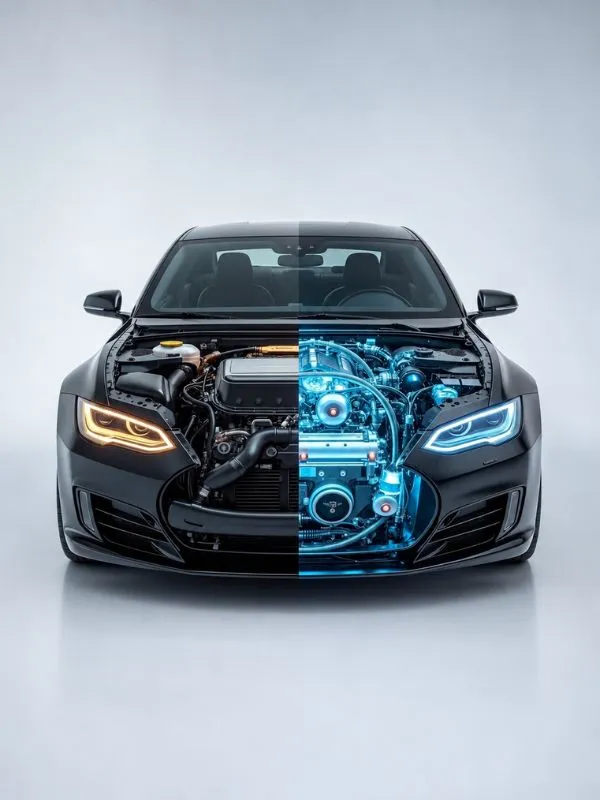
Automotive
- • Seat rails & tracks
- • Sunroof mechanisms
- • Dashboard actuators
- • Plastic interior components
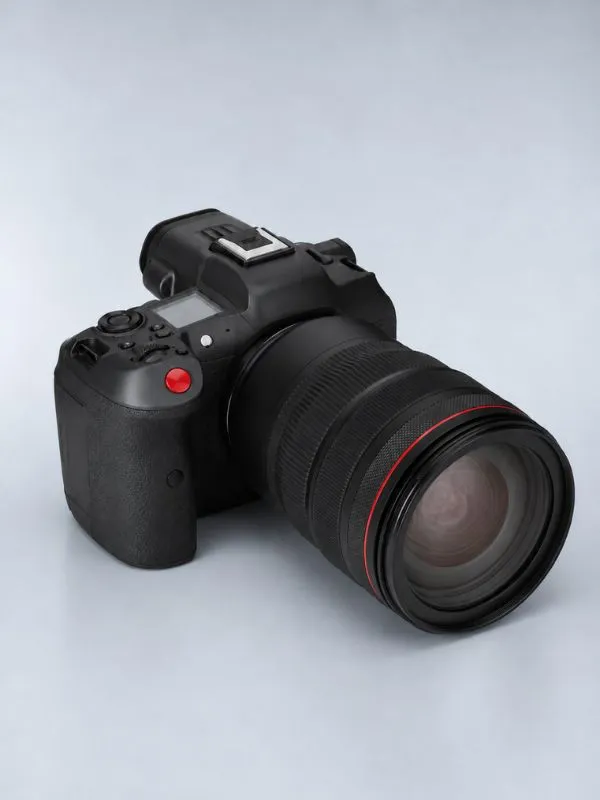
Precision Electronics
- • Camera zoom mechanisms
- • Optical lens barrels
- • Micro-switches
- • Laptop hinges
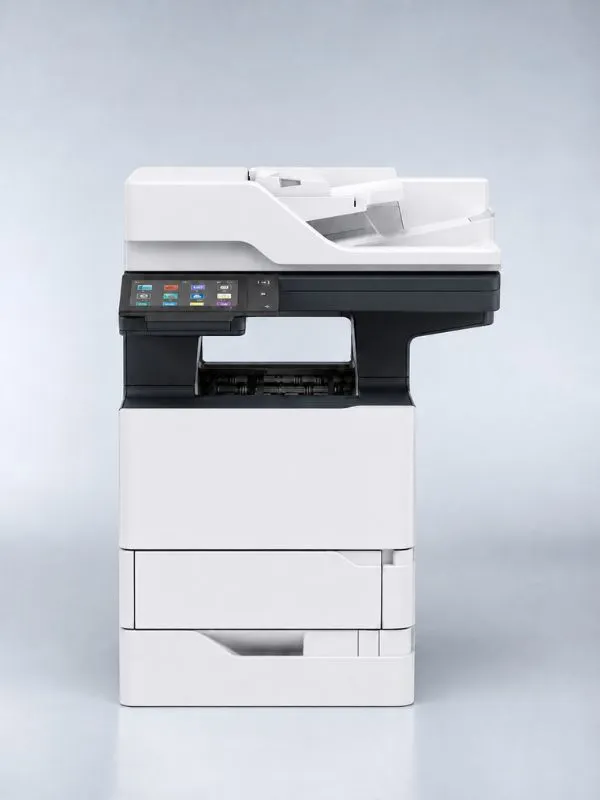
Office Equipment
- • Printer paper feeds
- • Copier sliding parts
- • Scanner guide rails
- • Keyboard stabilizers
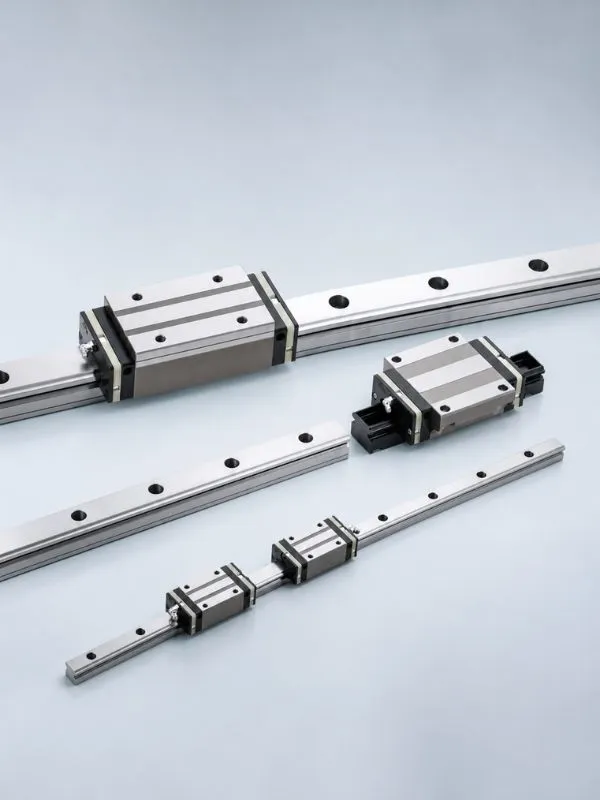
Industrial Equipment
- • Exposed open gears
- • Linear guide rails
- • Cams and followers
- • Conveyor sliding mechanisms
How To Apply Dry Film Lubricant
Standard process for achieving optimal film adhesion and thickness.
Clean Surface
Remove all oils, grease, and moisture.
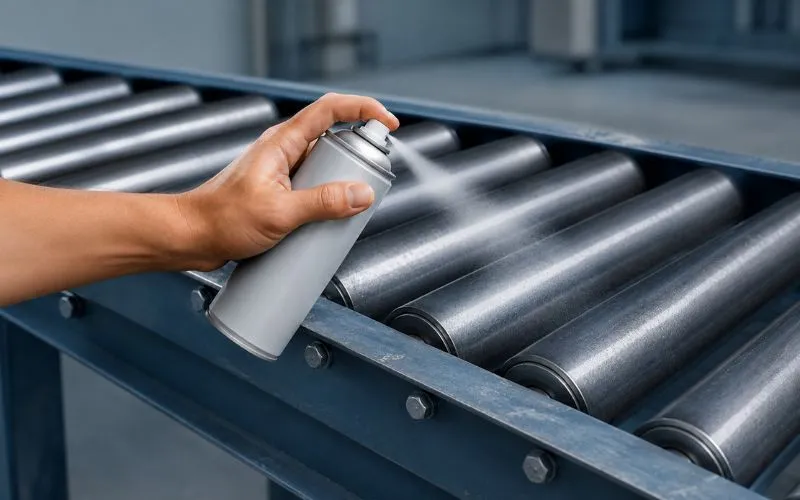
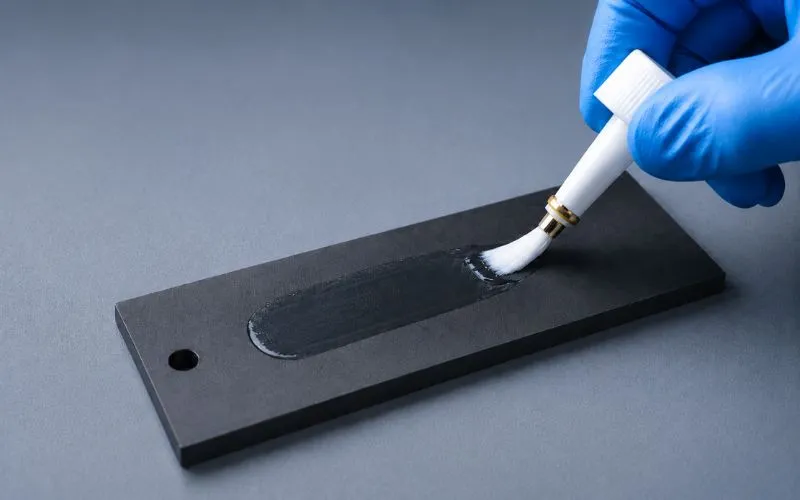
Apply Thin Coating
Apply via spray, brush, or dip methods.
Allow Evaporation
Wait for carrier solvent to flash off.
Operate
Mechanism is ready after film formation.
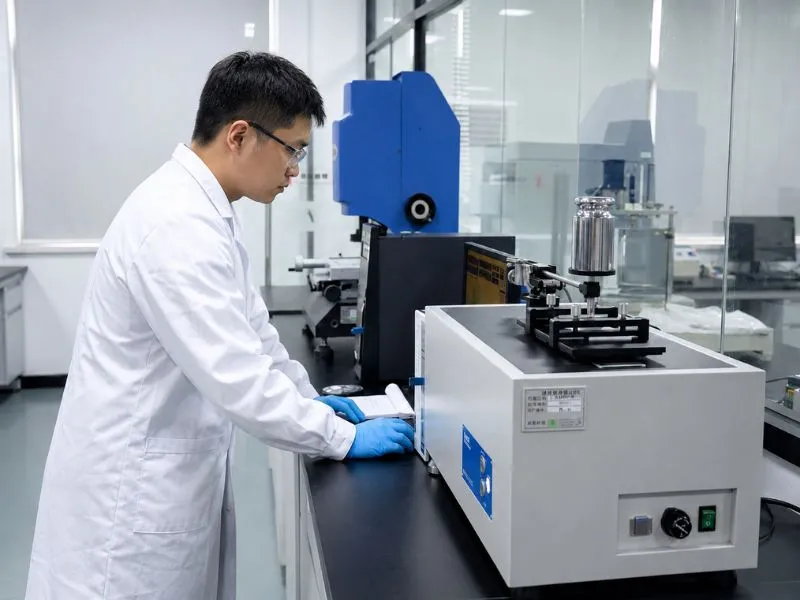
Quality Testing For Reliable Lubrication Performance
Every batch of Morelic dry film lubricant undergoes rigorous tribological testing in our laboratory to ensure consistent friction reduction and film durability under specified loads.
-
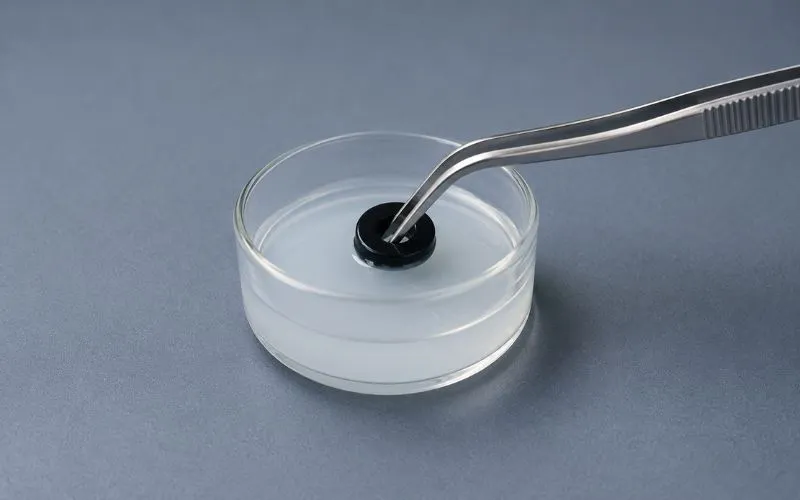
Friction Coefficient Testing
Measuring static and kinetic friction to ensure adherence to ultra-low friction specifications.
-
Wear & Film Adhesion Testing
Simulating long-term sliding cycles (Four-Ball Wear Test) to verify film integrity and prevention of galling.
-
Temperature Resistance
Thermal cycling tests to confirm the coating does not degrade, flake, or lose lubricity at extreme temperatures.

Custom Dry Film Lubricant Solutions
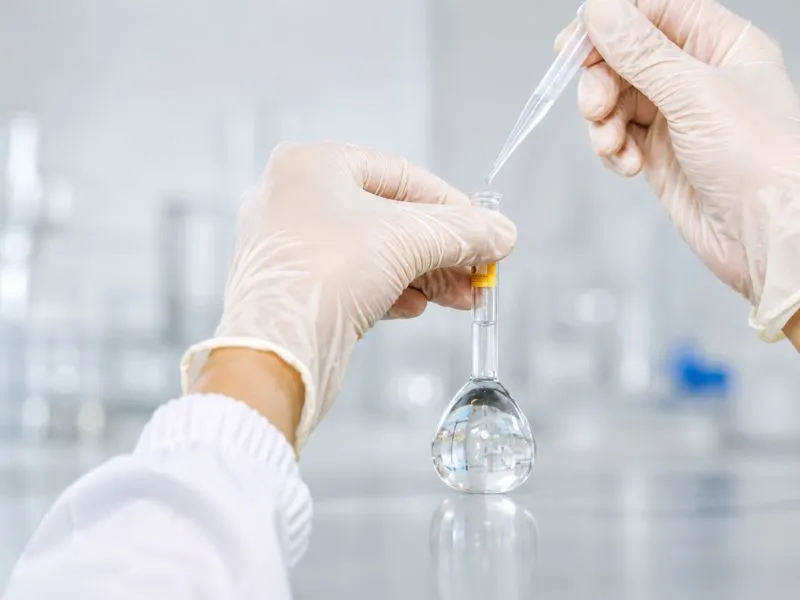
With over 15 years of specialty lubricant manufacturing experience, Morelic provides comprehensive OEM and ODM services. We formulate carrier solvents and solid lubricant ratios specifically for your application methods and material compatibilities.
Our Capabilities
- ✓ Custom formulation
- ✓ Private label service
- ✓ Packaging customization
Business Support
- ✓ Technical engineering support
- ✓ Flexible MOQ
- ✓ Global compliance documents
15+
Years Experience
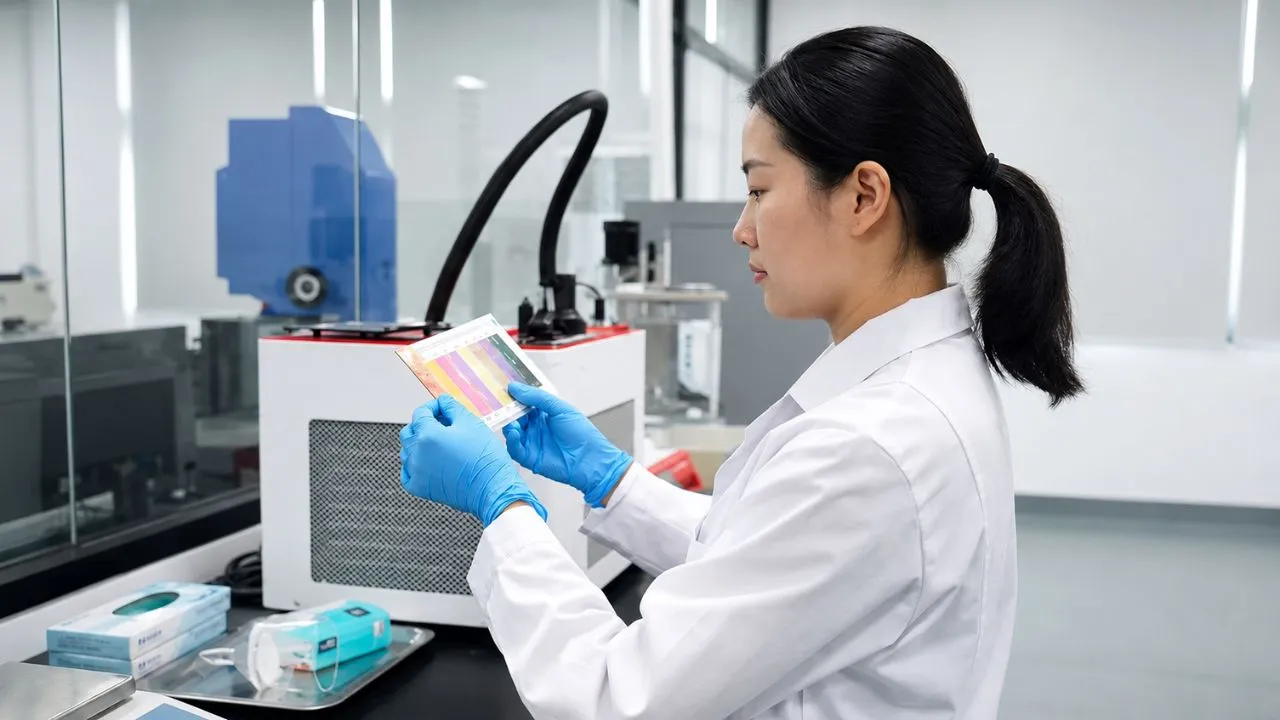
Why Partner with Morelic?
As a direct manufacturer, we provide unparalleled control over quality, formulation, and delivery times. We empower global brands with robust lubrication solutions tailored to their exact specifications.
15 Years Experience
Servicing 30+ industries with 5000+ successful client cases.
Custom Formulation
Tailored grease formulas & small-pack OEM/ODM capabilities.
Global Compliance
Meeting international standards by using imported premium raw base oil.
Rapid Delivery
Advanced testing & multiple high-speed filling machines ensure fast turnaround.
Explore More Lubrication Solutions
Frequently Asked Questions About Dry Film Lubricants
Technical answers for engineers and B2B buyers.
What is semi-dry lubricant?
What is PTFE dry film lubricant used for?
Is dry film lubricant better than grease?
Can dry film lubricant be used on plastic?
Does Morelic provide OEM dry film lubricant?
Looking For A Reliable Dry Film Lubricant Manufacturer?
Send your application requirements—including operating temperature, substrate materials, and application method—and our tribology engineering team will recommend or formulate the most suitable lubrication solution.