Factory Direct: Save At Least 10% on Your Procurement Costs
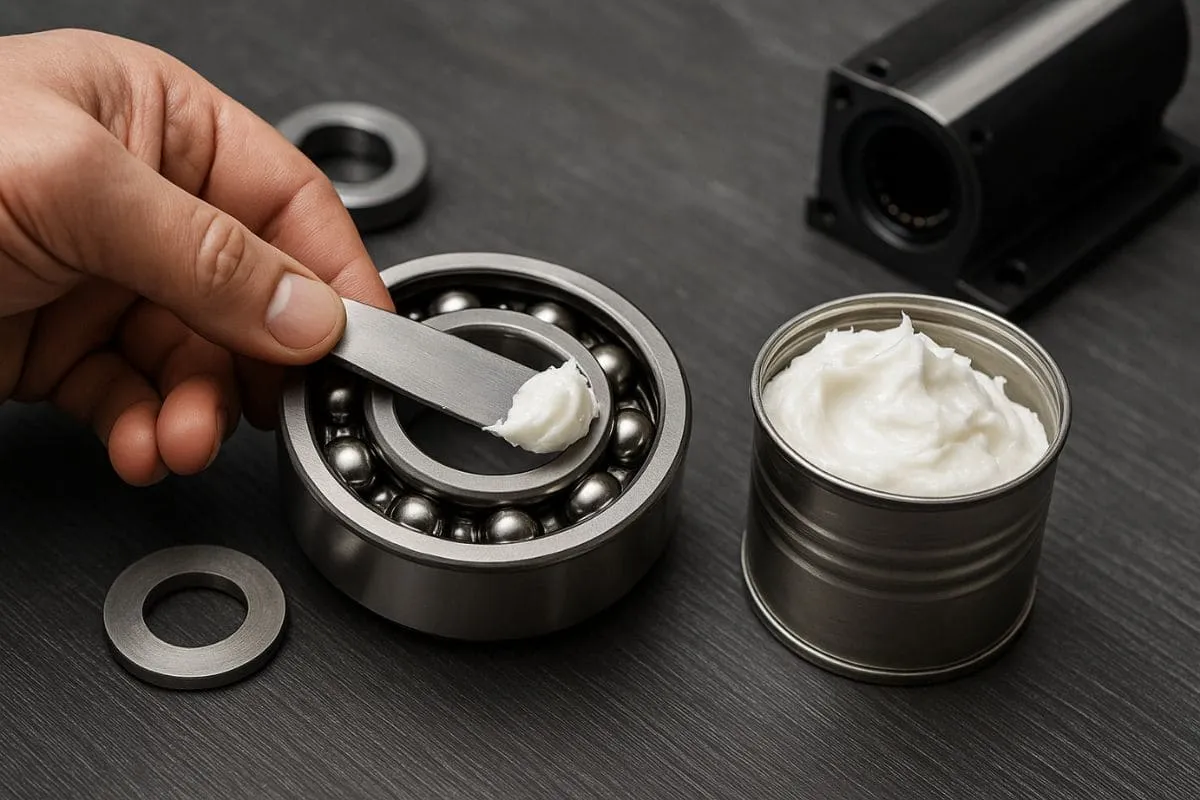
PFPE grease is a premium synthetic lubricant formulated with a fully fluorinated perfluoropolyether base oil, typically thickened with PTFE. Compared with silicone greases, synthetic greases, and mineral oil greases, due to its unique molecular structure, PFPE grease has below benefits:
Maintains reliable lubrication from −50°C to +260°C with short-term peaks up to 300°C, without oxidation or carbon build-up.
Non-reactive to acids, bases, fuels, aggressive gases, and most industrial chemicals — ideal for harsh environments.
Ensures outstanding performance in vacuum systems, preventing evaporation and reducing contamination risks.
Exceptional oxidative stability enables extended lubrication intervals, lowering total cost of ownership.
Inert formulation with no carbon residue — suitable for oxygen systems and cleanroom applications such as semiconductor manufacturing.
Safe for use with metals, engineering plastics, and elastomers like PTFE, FKM, PEEK, etc., minimizing component failures.
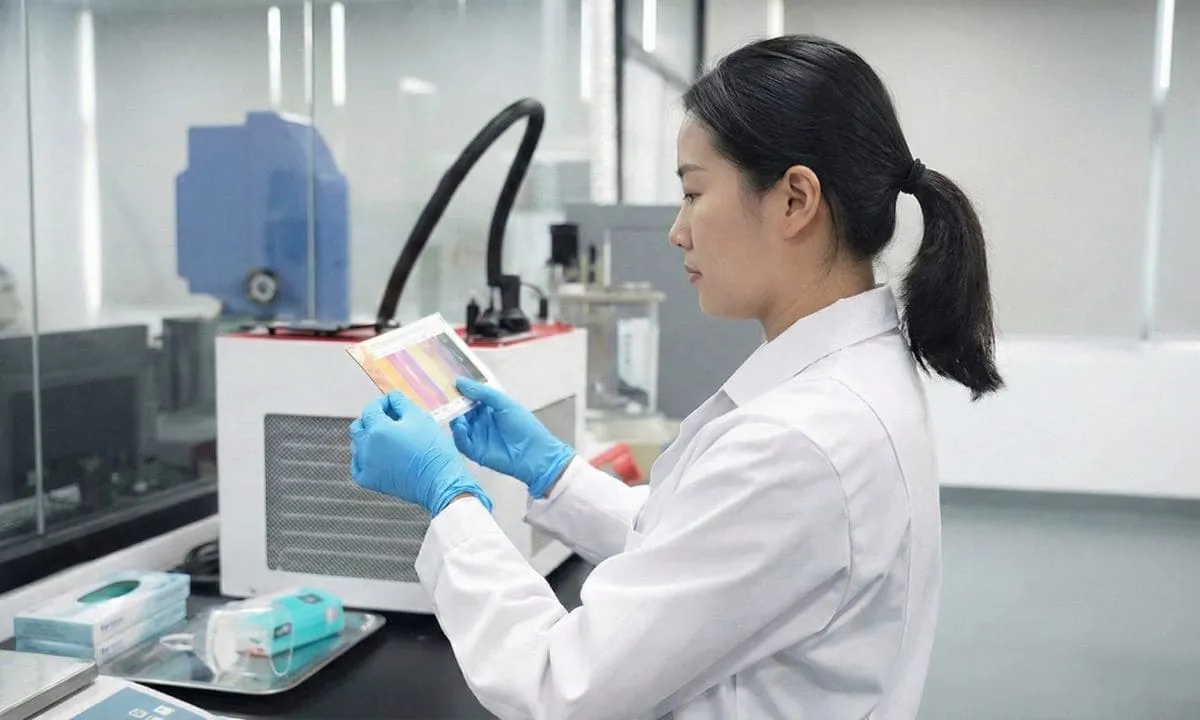
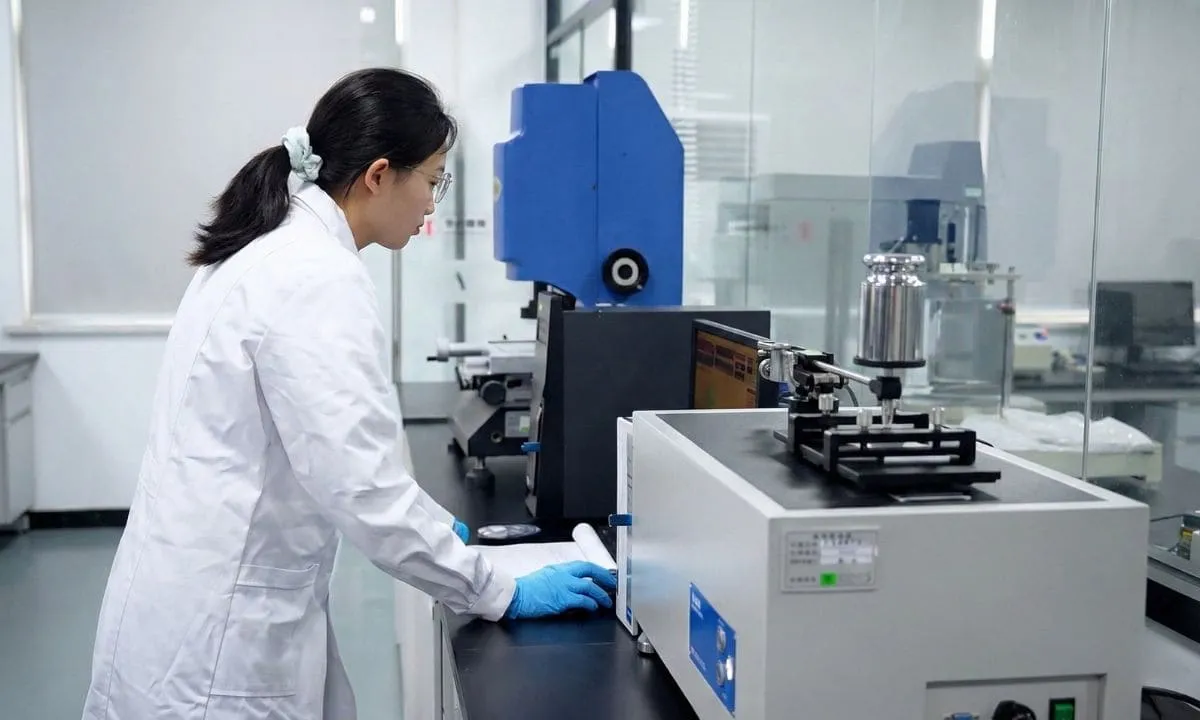
Morelic is your trusted PFPE Grease Manufacturer & Engineering Partner, delivering high-performance lubrication solutions with technical expertise, reliable supply, and full project support. At Morelic, you will get:
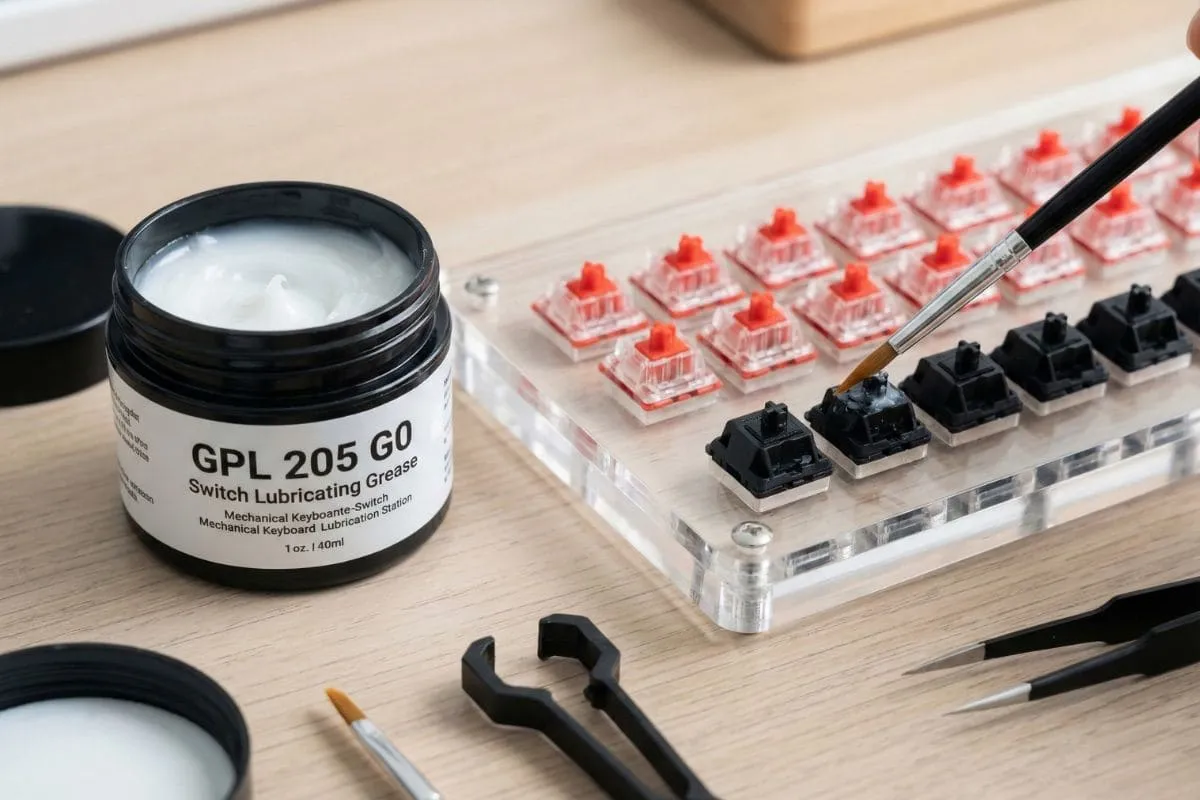
Morelic PFPE grease solutions are categorized by application requirements, helping engineers and procurement teams quickly identify suitable options. Besides, we also have alternative to Kluber AR555, Krytox GPL205, GPL215, GPL226 and more.
Morelic PFPE grease solutions are used in industries where equipment reliability, regulatory compliance, and long-term performance are critical. Our products are engineered to meet the demanding requirements of applications where conventional lubricants present unacceptable risks.
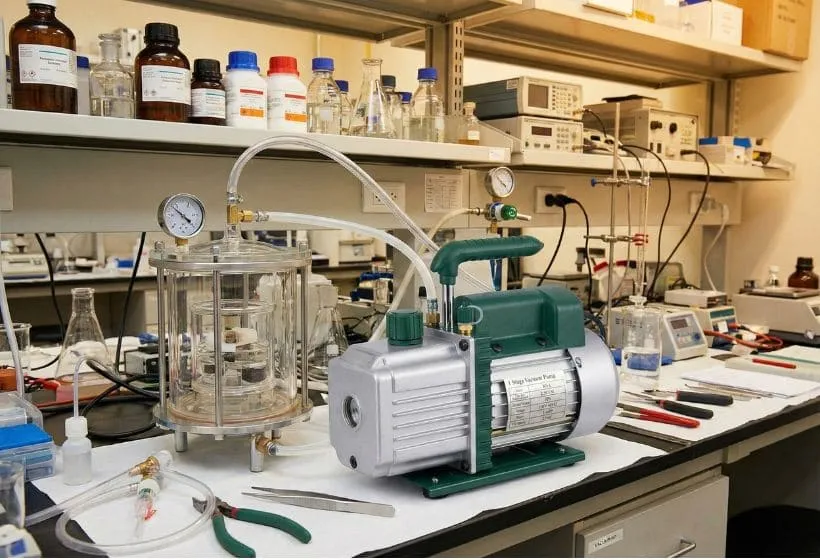
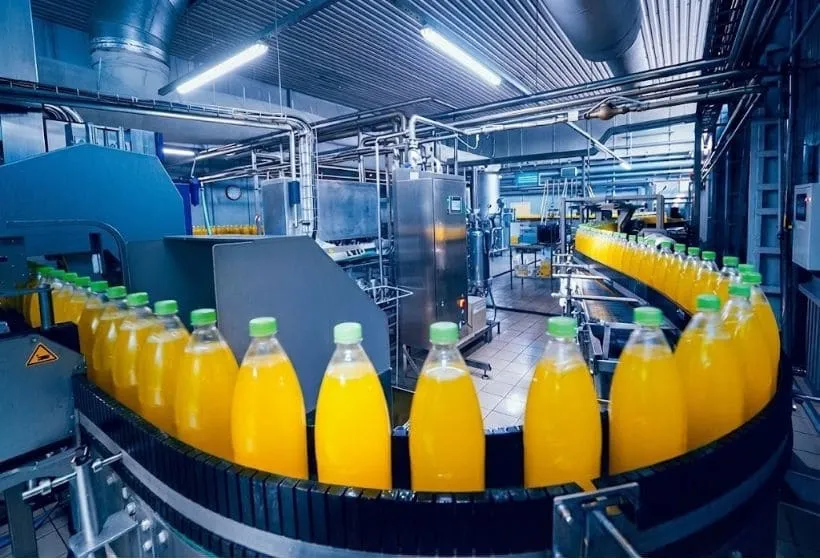
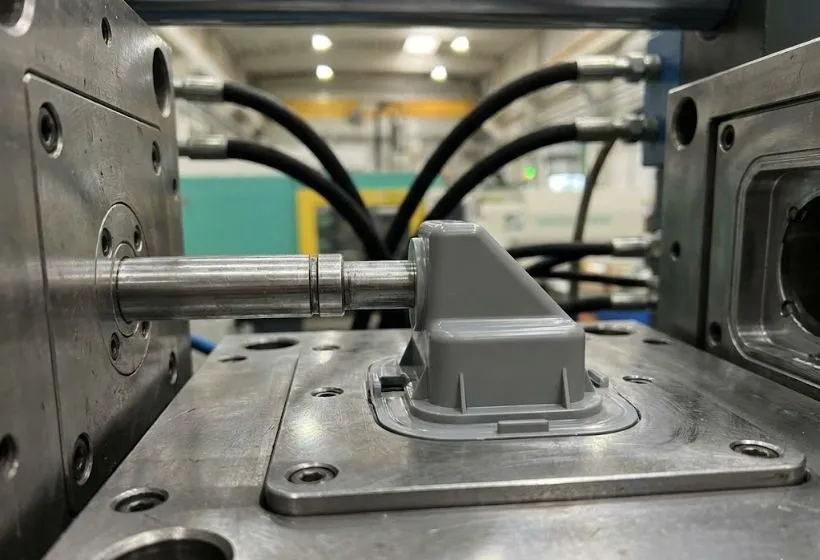
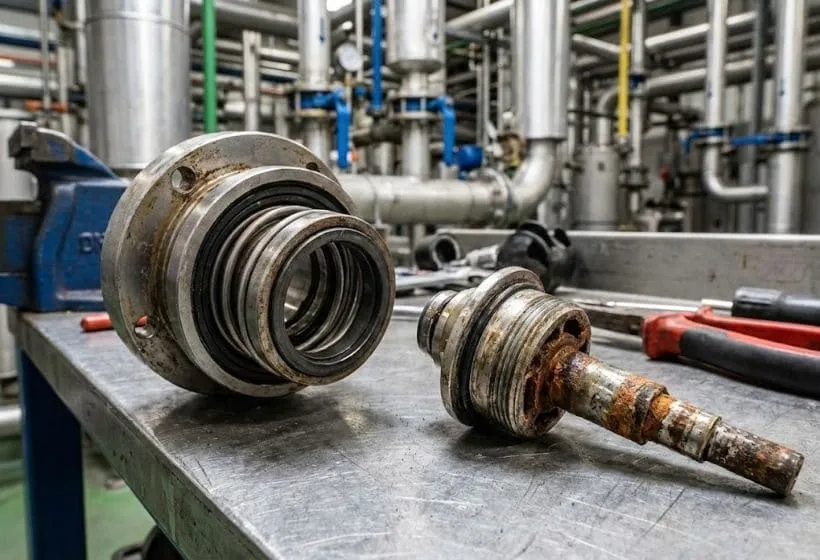
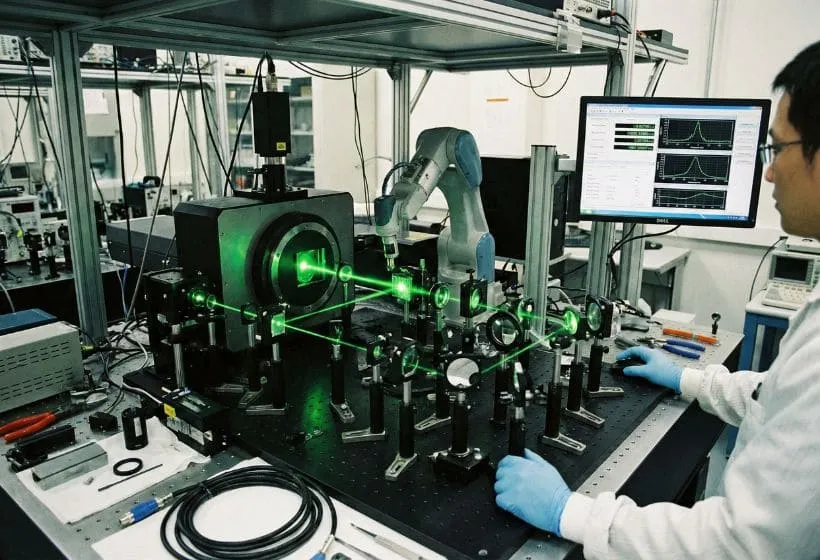
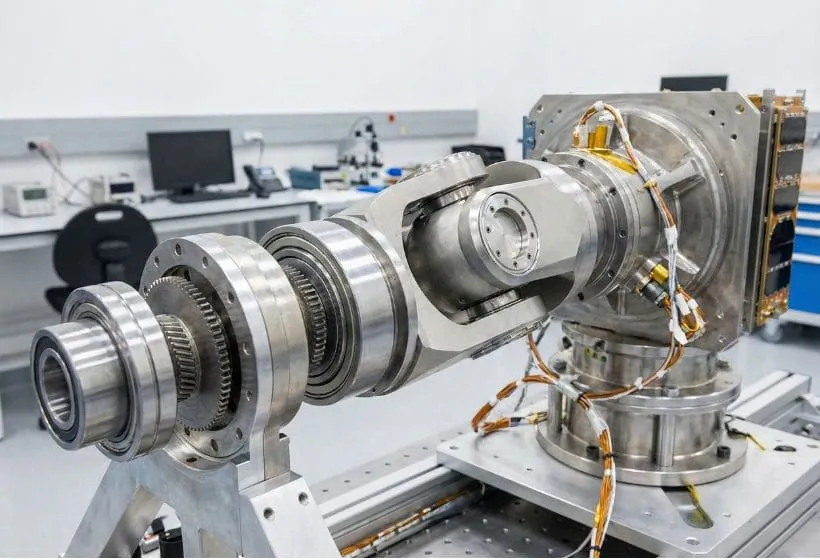
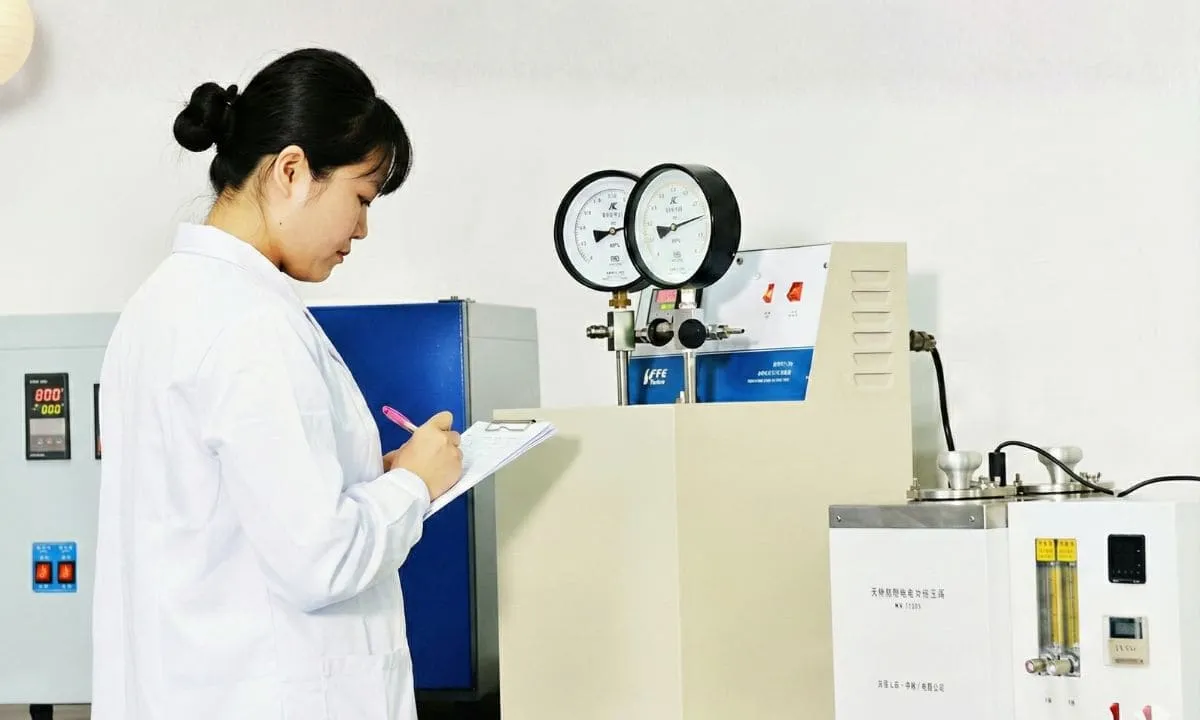
Across these industries, PFPE grease is selected not for cost reasons, but to reduce operational risk and ensure system reliability.
PFPE (Perfluoropolyether) grease is selected for reliability in extreme and critical applications. The comparison below shows how PFPE grease differs from conventional lubricants—silicone grease, synthetic grease (PAO/ester), and mineral oil grease—when temperature, chemicals, cleanliness, or service life become limiting factors.
| Comparison Criteria |
PFPE Grease (Morelic) |
Silicone Grease |
Synthetic Grease (PAO / Ester) |
Mineral Oil Grease |
|---|---|---|---|---|
| Base Oil Type | PFPE (fully fluorinated) | Silicone oil | PAO / Ester | Mineral oil |
| Operating Temperature Range | ★★★★★ Excellent (up to 250–300°C) |
★★★☆☆ Moderate (~200°C) |
★★★★☆ Good |
★★☆☆☆ Limited |
| High-Temperature Stability | ★★★★★ No carbonization or deposits |
★★★☆☆ Aging risk |
★★★☆☆ Oxidation risk |
★☆☆☆☆ Degrades quickly |
| Chemical Resistance | ★★★★★ Highly inert |
★★★☆☆ Limited |
★★★☆☆ Moderate |
★☆☆☆☆ Poor |
| Vacuum Compatibility | ★★★★★ Ultra-low vapor pressure |
★★★☆☆ Limited |
★☆☆☆☆ Not suitable |
★☆☆☆☆ Not suitable |
| Oxygen Compatibility | ★★★★★ Non-flammable option |
★★★☆☆ Depends on formulation |
★☆☆☆☆ Not recommended |
★☆☆☆☆ Not suitable |
| Cleanliness & Oil Migration | ★★★★★ Clean, low migration |
★★★☆☆ Moderate |
★★★☆☆ Moderate |
★★☆☆☆ Higher risk |
| Service Life / Relubrication | ★★★★★ Very long intervals |
★★★☆☆ Medium |
★★★☆☆ Medium |
★★☆☆☆ Short |
| Typical Best-Fit Applications | Vacuum, high-temp, chemical, oxygen, precision | Sealing, moisture protection | General industrial | Cost-driven, light duty |
| Cost Level | ★☆☆☆☆ Highest (performance-driven) |
★★★☆☆ Mid |
★★★☆☆ Mid |
★★★★★ Lowest |
When operating conditions involve high temperatures, aggressive chemicals, vacuum environments, oxygen systems, or long service life requirements, PFPE grease is selected when reliability, cleanliness, and long service life matter more than initial cost.
Need help selecting the right PFPE grease grade? Contact Morelic for application matching, customization, and samples.
Beyond standard PFPE grease products, Morelic provides application-focused solution support:
Our goal is to support customers throughout the lubrication selection and implementation process.
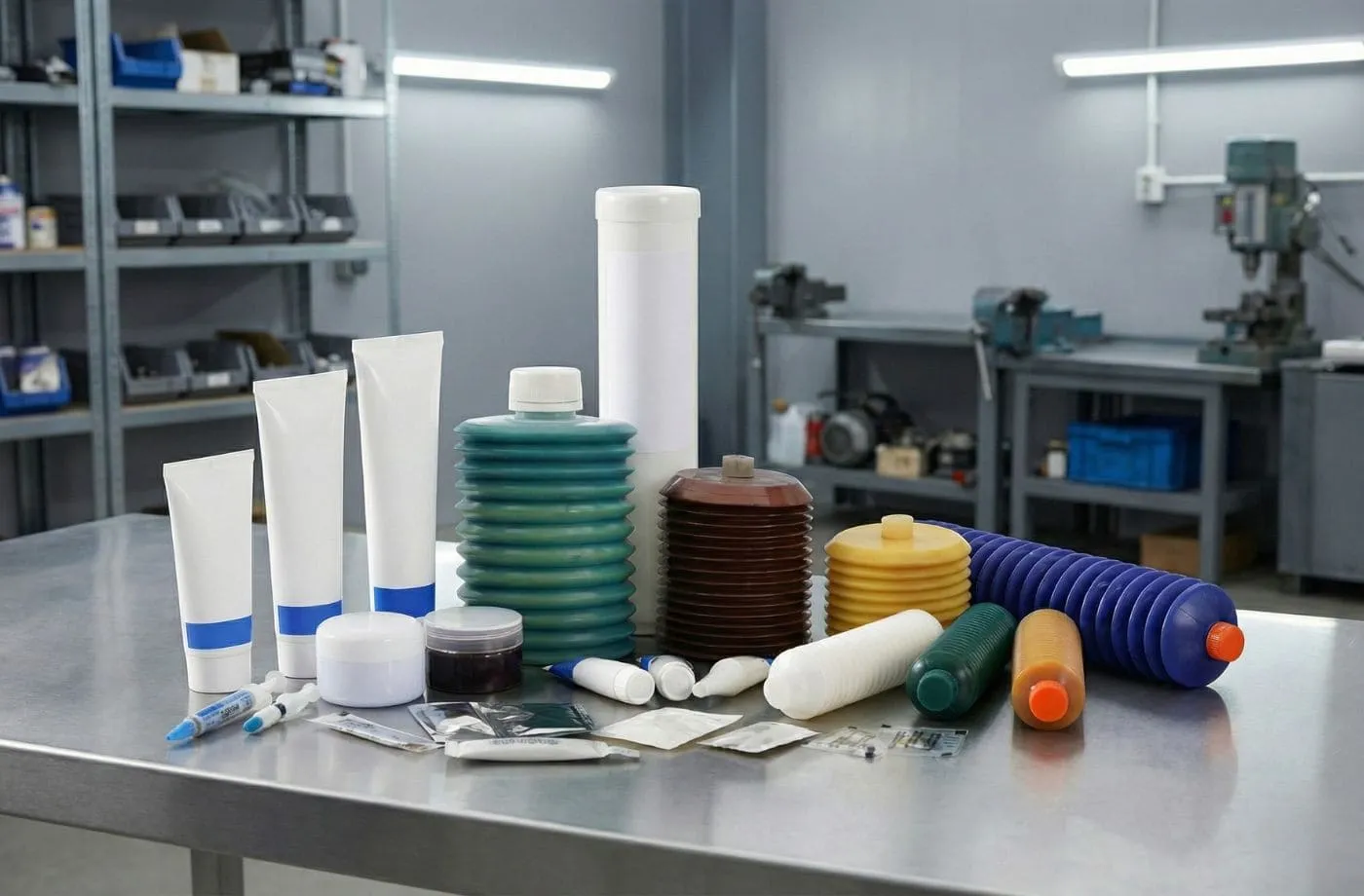
PFPE grease FAQ covering performance, applications, compatibility, temperature range, and selection for industrial and OEM use.
PFPE grease is selected for applications requiring extreme temperature resistance, chemical inertness, vacuum compatibility, or long-term reliability where conventional greases fail.
PFPE grease provides superior thermal and chemical stability, does not oxidize or evaporate, and offers a much longer service life than silicone or hydrocarbon greases.
Morelic PFPE greases typically operate from −70 °C to +260 °C, with selected grades suitable for continuous use up to +300 °C.
Yes. PFPE grease is chemically inert and compatible with most plastics and elastomers, including ABS, POM, PA, PTFE, EPDM, FKM, NBR, and silicone rubber.
Yes. PFPE grease has extremely low vapor pressure and is non-flammable, making it suitable for high vacuum, ultra-high vacuum, and oxygen-rich environments.
In many critical applications, PFPE grease can replace silicone or synthetic greases when higher temperature resistance, chemical stability, or longer service life is required.
MThe standard MOQ is 1 kg for in-stock PFPE grease. For custom formulations, the typical MOQ is 10 kg, with small test batches available upon request.
Yes. Morelic offers custom PFPE grease formulations, including adjustments to base oil viscosity, NLGI grade, and performance characteristics for OEM and specific applications.
In today’s precision-driven industries, using the right high-performance lubricant is no longer optional—it’s critical. At Morelic, we make it easier for you to develop, customize, and source PFPE grease solutions that meet the highest demands. Whether you’re a specialized equipment manufacturer or an international distributor, Morelic delivers tailored, reliable PFPE grease options designed to perform in extreme conditions.
Although all PFPEs are made from the same elements—carbon, oxygen, and fluorine—their molecular structures are different due to different raw materials and manufacturing processes.
These structural differences directly affect low-temperature performance, wear protection, viscosity stability, and volatility, which are key factors when selecting a PFPE lubricant.
| PFPE Type | Temperature Range (°C) | Viscosity @40°C (cSt) | Viscosity Index | Pour Point (°C) | Key Characteristics | Typical Applications |
|---|---|---|---|---|---|---|
| K & Y | –55 to +250 | 15 – 510 | 60 – 135 | –55 to –25 | Economical PFPE fluids with strong oil film and good load-carrying ability. Excellent plastic & elastomer compatibility. | Multipurpose PFPE for gears, slides, and bearings—especially when high-temperature performance and material compatibility are required. |
| M | –80 to +250 | 20 – 310 | 250 – 340 | –85 to –60 | Linear PFPE with excellent low-temperature fluidity, low volatility, and wide-temperature capability. Cost-effective alternative to Z fluids. | Wide-temperature lubrication for precision mechanisms, bearings, seals, and components requiring low-temperature start-up and stable performance. |
| Z | –90 to +250 | 15 – 510 | 250 – 340 | –90 to –65 | Premium linear PFPE designed for extreme low-temperature and very low torque. High viscosity stability; Cost is about $500/lb., 4 times the cost of grease with M fluids. | Ultra-precision instruments, sensors, potentiometers, actuators, and small bearings where low-temperature and low-torque are critical. |
Usage Recommendations
K & Y: Designed for strong load-carrying capacity and cost efficiency; ideal for standard high-temperature operating conditions.
M: Offers the best balance between low-temperature performance and cost.
Z: The ultimate solution for extreme low-temperature environments and high-precision equipment.
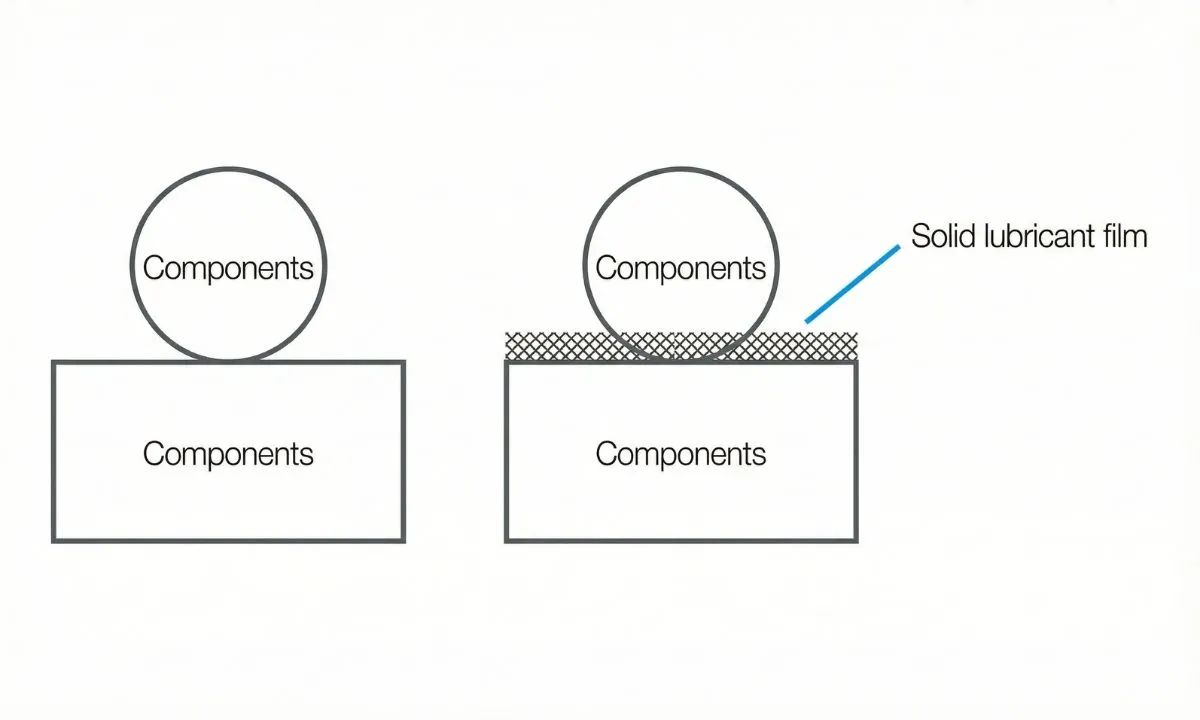
PFPE Grease operates through a dual lubrication mechanism.
The PFPE base oil forms a chemically inert and stable lubricating film on contact surfaces. Under boundary or extreme conditions, PTFE particles act as solid lubricants, forming low-shear lubricating and transfer films on the mating surfaces.
This allows friction to occur primarily between PTFE-rich films rather than the substrates, effectively reducing friction and wear while ensuring long-term lubrication stability.
Under high-temperature testing conditions, PFPE grease demonstrates exceptionally low evaporation loss compared with conventional lubricant base oils.
In the test, approximately 10 g of grease sample was placed in an oven and heated at 200°C–260°C for 2 hours, with evaporation loss determined by weight difference before and after heating.
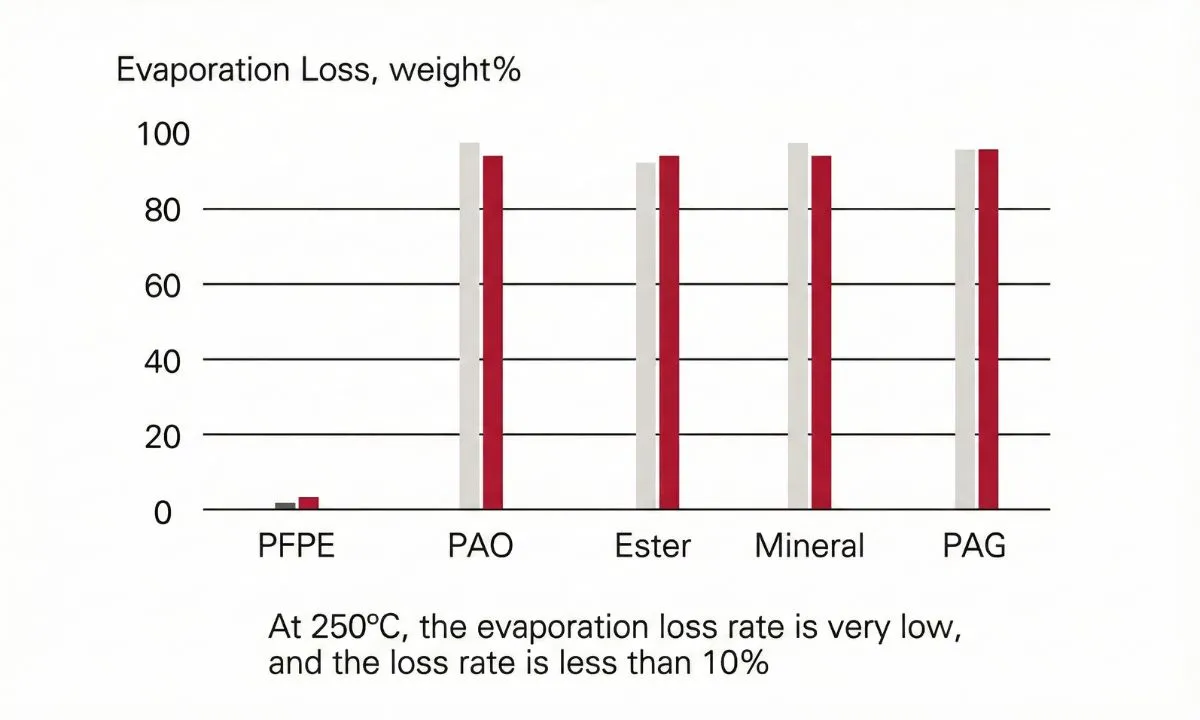
The results show that PFPE grease maintains evaporation loss below 10% at 250°C, this enables longer relubrication intervals and, in most cases, even for-life lubrication.
While PAO, ester-based oils, mineral oils, and PAG exhibit significantly higher evaporation losses, approaching or exceeding 90% under the same conditions.
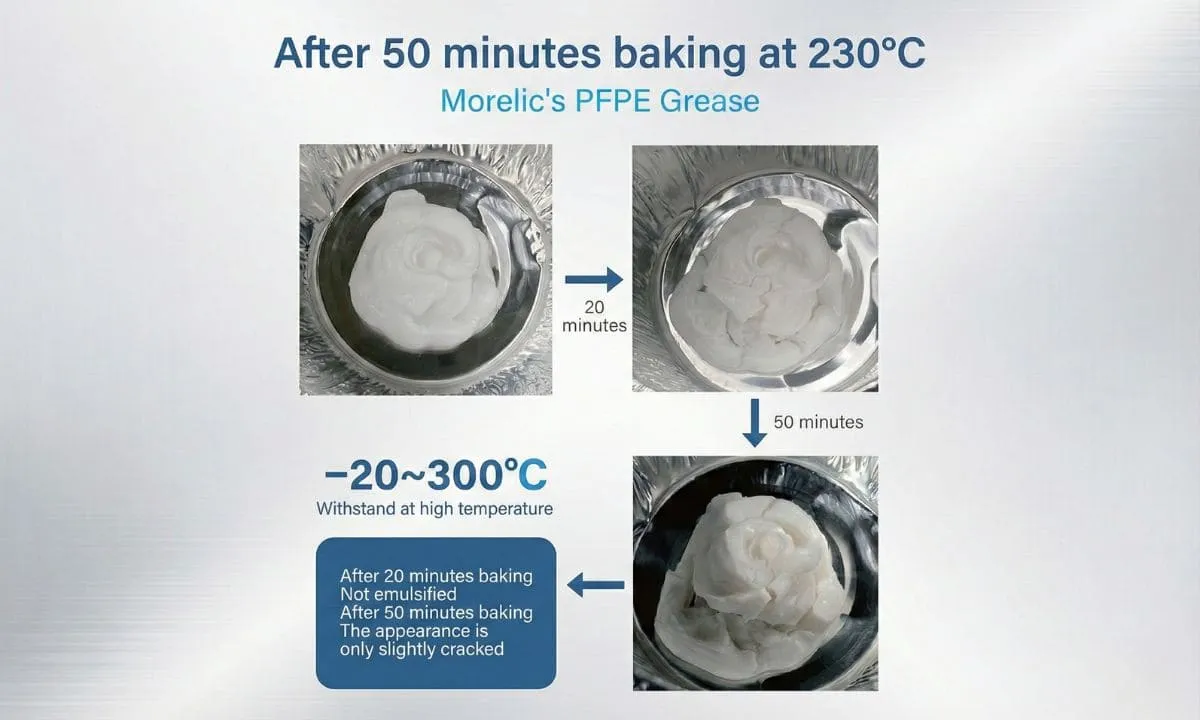
This outstanding thermal stability allows PFPE grease to retain lubrication performance at elevated temperatures, reduce oil volatilization, and extend service life in high-temperature applications where conventional lubricants rapidly degrade or evaporate.
In applications such as precision equipment, aerospace, semiconductors, and cryogenic valves, equipment often experiences cold starts or operates in low-temperature standby modes.
The significance of low-temperature torque testing is as below:
Evaluates start-up resistance of lubricated components under low-temperature conditions.
Assesses low-temperature flow and rheological stability, ensuring continuous lubrication film formation.
Predicts reliability during cold start and low-temperature operation, reducing the risk of wear or lubrication failure.
Demonstrates the wide temperature capability of PFPE grease, distinguishing it from conventional lubricants.
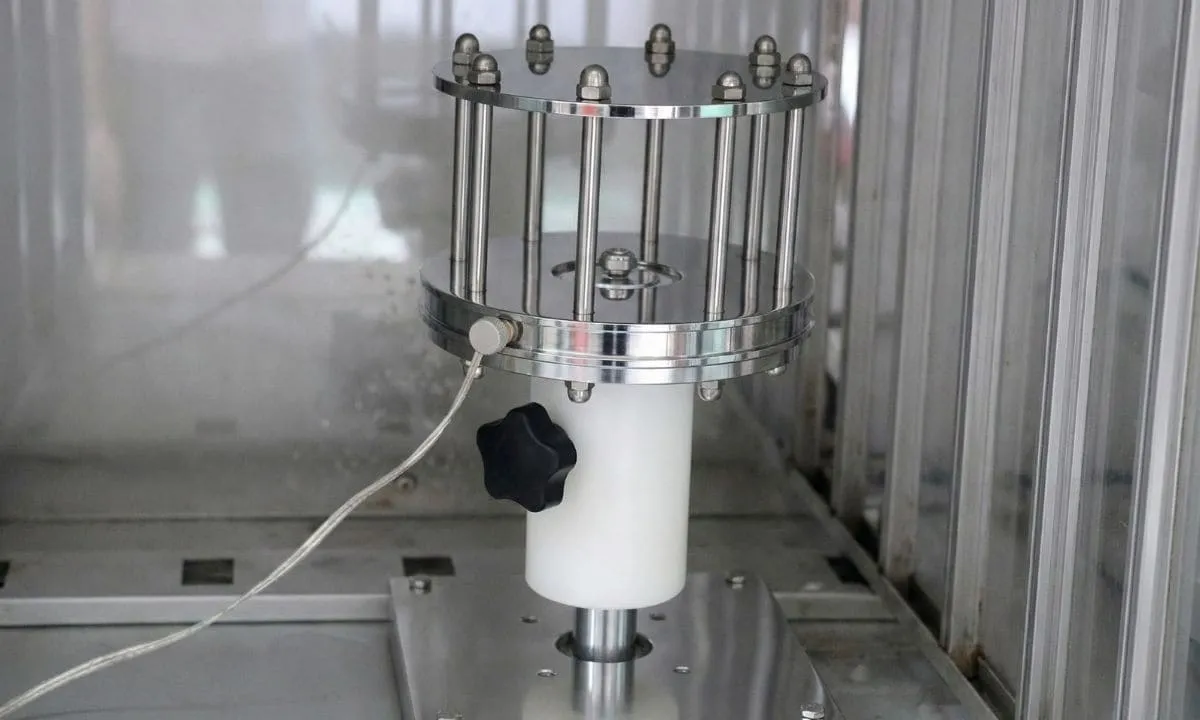
Low temperature torque testing evaluates the starting resistance and flow stability of PFPE grease at low temperatures, ensuring reliable lubrication, smooth start-up, and reduced mechanical stress under cold operating conditions.
Define operating conditions
Evaluate temperature range, chemical exposure, vacuum level, and load conditions to ensure optimal PFPE grease selection.
Verify material compatibility
Confirm compatibility with seals, elastomers, plastics, and metals to prevent degradation or performance issues.
Check regulatory and industry compliance
Ensure the grease meets relevant standards such as ISO, FDA(or NSF), or aerospace-related specifications where applicable.
Assess service life expectations
Consider re-lubrication intervals and long-term stability based on operating environment and duty cycle.
Review application methods requirements
Determine suitable application methods and proper storage practices to maintain consistent performance.
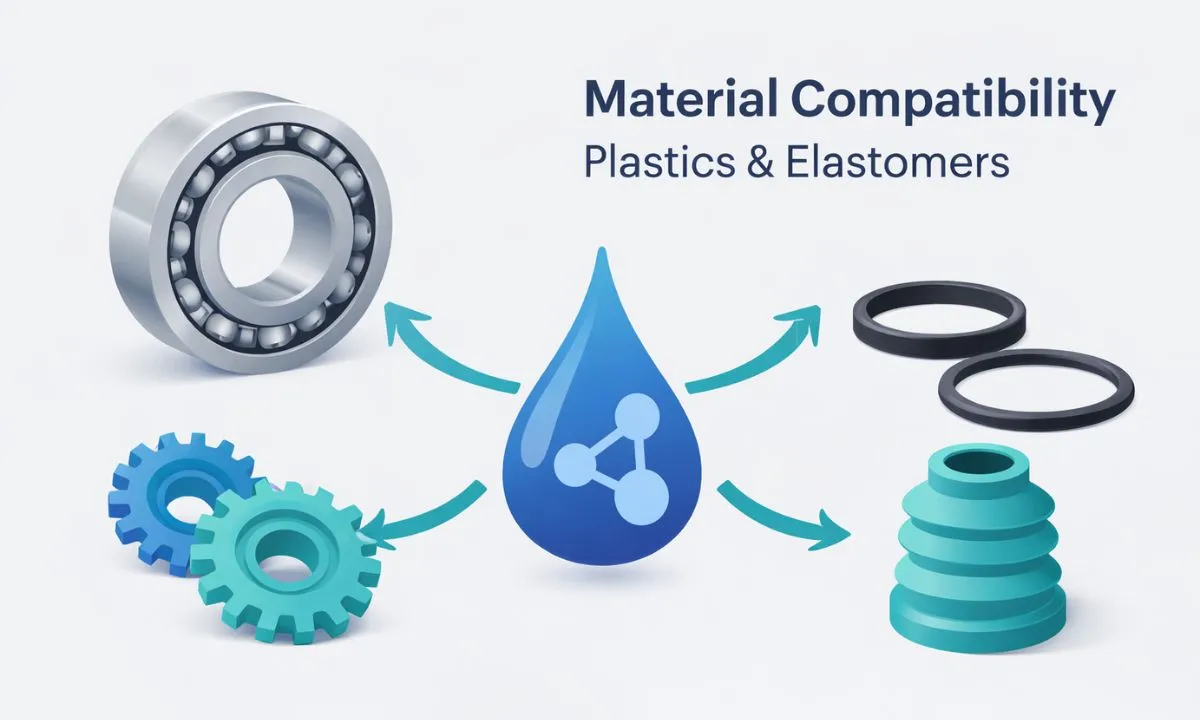
PFPE grease offers exceptional chemical and thermal stability; however, certain application considerations should be noted.
Due to its chemical inertness, PFPE Grease is compatible only with highly fluorinated solvents and is not miscible with conventional oils or organic solvents, which may influence cleaning and maintenance procedures.
Almost all polymeric lubricating materials produce harmful products at extreme decomposition temperatures. PFPE grease remains non-toxic and stable below its decomposition temperature(280–350°C). Even if the decomposition temperature of PFPE is inherently significantly higher than that of conventional greases, if exposure to excessive temperatures also may result in the formation of hazardous decomposition products.
Due to its complex synthesis and performance advantages, PFPE grease is associated with a higher initial cost, which is often offset by extended service life in demanding applications.
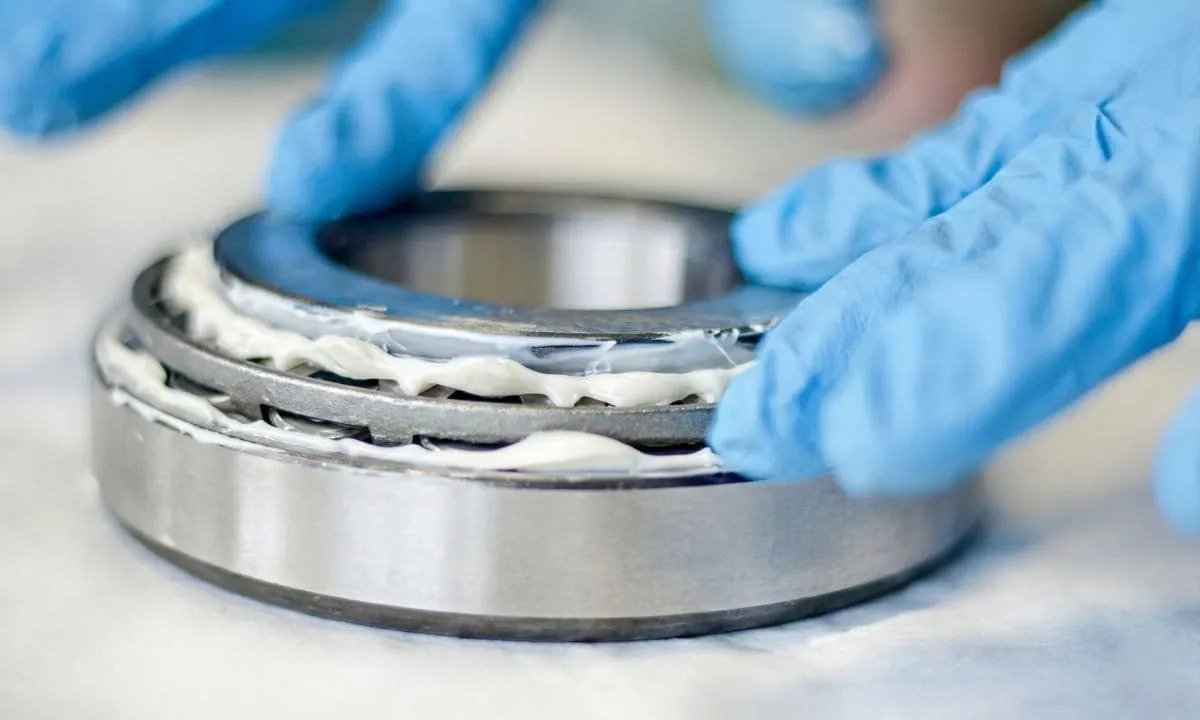
Talk to Our Engineer !
Our experienced engineering team is ready to partner with you to develop customized PFPE lubricant solutions for your application.
If you are looking for a dependable PFPE grease manufacturer with strong technical capabilities and OEM support, Morelic is ready to assist.
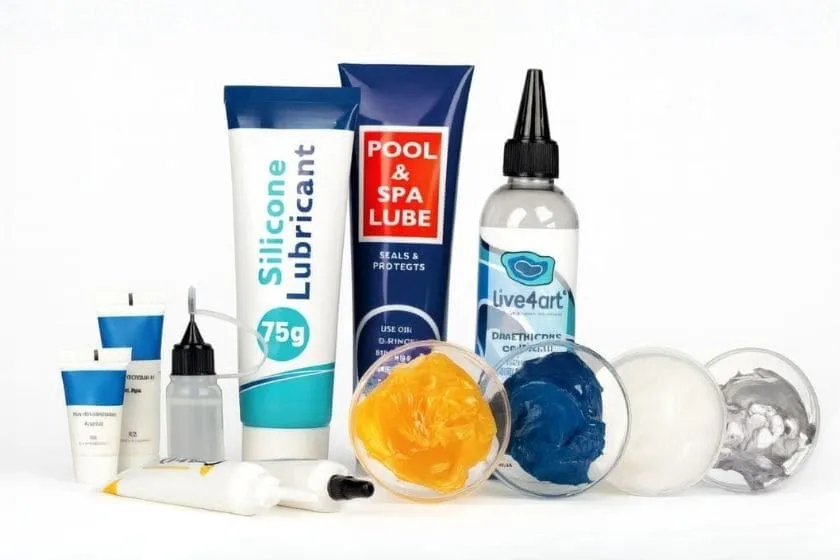
Get expert recommendations tailored to your operating conditions. Tell us temp., load, speed, environment, or any challenges you’re facing.
Free standard Lubricant & Adhesive samples can be provided for your evaluation according to your requirements.