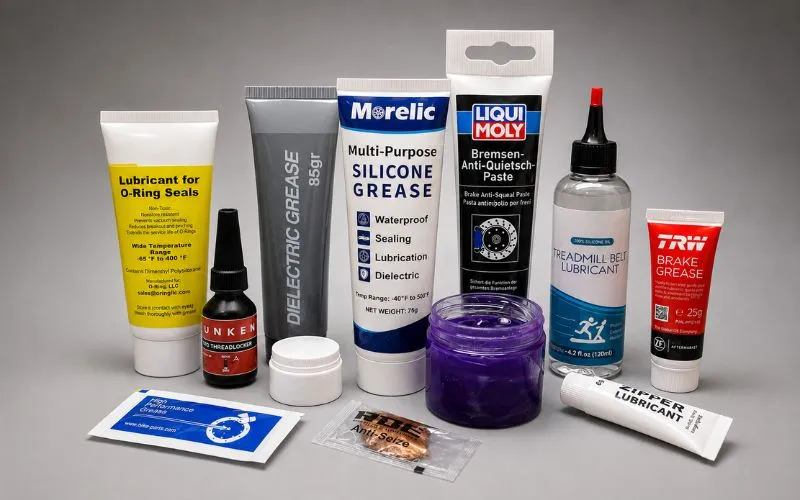
PFPE Grease For
Extreme Conditions
Reliable PFPE lubricants engineered for vacuum systems, oxygen service, semiconductor equipment, high-temperature bearings, and precision mechanisms.
- Cost-Effective Alternative to Branded Grease
- Temperature Range up to 260°C
- Custom Formula & OEM Package
- Fast Delivery & Global Compliance
-grease.webp)
What Is PFPE Grease?
PFPE grease is a high-performance lubricating grease made from perfluoropolyether base oil, usually thickened with PTFE. PFPE grease is selected for applications where conventional mineral oil, PAO, silicone or lithium greases may fail due to high temperature, oxygen exposure, aggressive chemicals, vacuum conditions or material compatibility requirements.
Engineering Note
PFPE grease is not chosen only because it is “premium.” It is chosen when the application requires chemical inertness, temperature stability, vacuum performance or oxygen compatibility that conventional greases cannot provide.
Chemically Inert
Resists many aggressive chemicals, solvents, fuels, acids and oxidizing environments.
Non-Flammable
Widely used in oxygen, reactive gas and high-temperature environments where flammability risk must be controlled.
Low Vapor Pressure
Suitable for selected vacuum and semiconductor equipment because of its low volatility and low outgassing behavior.
Material Compatibility
Generally selected for applications involving metals, plastics, elastomers, O-rings and seals.
Do You Really Need PFPE Grease?
Review the conditions below. If your equipment operates under these constraints, PFPE chemistry may be the required lubrication path.
High Temperature
Why PFPE Helps: Can be selected where oxidation, oil evaporation, carbon deposits or hardening shorten the service life of conventional grease.
Vacuum or Low Outgassing
Why PFPE Helps: Low vapor pressure helps reduce contamination risk in selected vacuum equipment and precision assemblies.
Oxygen or Reactive Gas
Why PFPE Helps: Selected for oxygen or reactive gas service where non-flammability and chemical inertness are required.
Aggressive Chemicals
Why PFPE Helps: Resists many solvents, fuels, acids, alkalis and chemical vapors where hydrocarbon greases may dissolve or degrade.
Plastic / Rubber / O-Ring
Why PFPE Helps: Often selected for O-rings, seals and mixed material assemblies where swelling, embrittlement or compatibility risk must be reduced.
Sealed-for-Life Parts
Why PFPE Helps: Can reduce maintenance frequency in applications where relubrication is difficult, expensive or not allowed.
PFPE Grease Product Range
Morelic formulates and packages PFPE greases tailored for specific operational stresses. Review our primary product categories below.
General PFPE Grease
Best For: Bearings, seals, valves
- PFPE base oil with PTFE thickener
- Good chemical inertness & oxidation stability
- Suitable for metal, plastic, elastomer contact
High-Temperature PFPE
Best For: Ovens, dryers, thermal equipment
- High thermal stability & low evaporation
- Reduced carbon deposit risk
- Longer relubrication interval
Vacuum PFPE Grease
Best For: Vacuum pumps, semiconductors
- Low vapor pressure
- Low outgassing option available
- Suitable for high-vacuum clean equipment
Oxygen-Compatible
Best For: Oxygen valves, breathing equipment
- Non-flammable PFPE chemistry
- Validated for oxygen service
- Material compatibility support
Food-Grade PFPE
Best For: Food, beverage, clean equipment
- NSF H1 support available
- High temperature & chemical resistance
- Suitable for demanding food machinery
Custom Formula & Alternatives
Service: Formulations & drop-in replacements
- Tailored custom PFPE greases
- Drop-in performance alternatives
- Dedicated engineering support
PFPE Base Oil Types: K / Y / M / Z
Not all PFPE greases perform the same. PFPE base oil structure affects low-temperature torque, volatility, viscosity index, load performance, cost and application fit. Morelic can help match K/Y, M or Z type PFPE chemistry according to real working conditions.
Selection Rule
- Heavy load / slow speed → consider K or Y type.
- High speed / precision / vacuum → consider M type.
- Cryogenic / low torque / premium vacuum → consider Z type.
| PFPE Type | Structure | Typical Temperature Fit | Best Application Fit | Buyer Note |
|---|---|---|---|---|
| K / Y Type PFPE | Pendent Structure | Good high-temperature and load performance | Heavy-load, slow-speed, general high-temp components | Cost-effective option for many industrial projects |
| M Type PFPE | Linear Structure | Wide temperature range and low volatility | Vacuum, precision bearings, wide-temperature | Good balance between low volatility and wide-temp |
| Z Type PFPE | Linear Structure | Excellent low-temperature and low-torque behavior | Cryogenic, precision, low-torque and premium vacuum | Premium option when low-temp start-up is critical |
Typical PFPE Grease Parameters
The table below is for initial product selection. Final values should be confirmed by the TDS and sample testing.
| Parameter | Typical Options | Selection Note |
|---|---|---|
| Base Oil | PFPE K/Y, M, Z Type | Determines temperature range, volatility, torque, cost and application fit. |
| Thickener | PTFE | Provides grease structure and helps keep PFPE oil at the friction contact point. |
| NLGI Grade | 0, 1, 1.5, 2 or customized | Affects pumpability, sealing, staying power and application method. |
| Temperature Range | Typical: -40°C to +250°C; special options down to -75°C / -90°C or peaks to +300°C | Needed for high-temperature bearings, cryogenic parts and vacuum equipment. |
| Base Oil Viscosity | Custom viscosity options available | Selected according to speed, load, torque, temperature and dispensing method. |
| Evaporation Loss | Low-volatility and low-evaporation options | Important for high temperature, vacuum and clean equipment. |
| Material Compatibility | Metals, plastics, elastomers and O-rings after testing | Final compatibility testing is recommended using the actual component material. |
Proven Performance in Extreme Conditions
* Test results may vary by formula. Please request the applicable TDS and test report for the selected product.
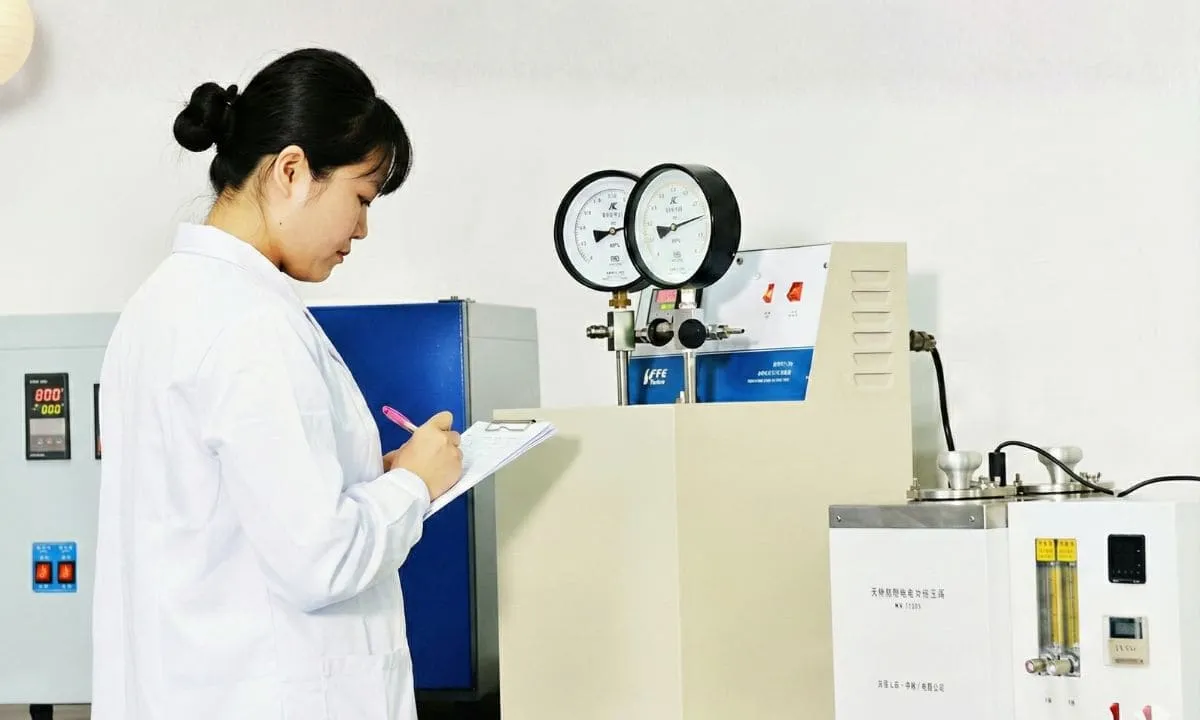
Oxidation Stability
Zero pressure drop after 100 hours at 210°C (ASTM D942). Exceptional resistance to thermal degradation.
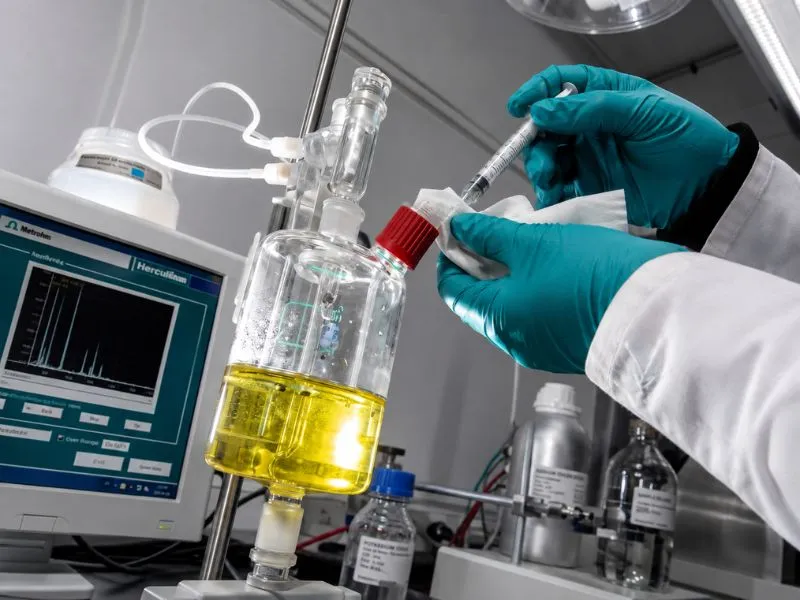
Evaporation Loss
Less than 1% weight loss over 22 hours at 204°C (ASTM D972). Supports long-term lubrication.
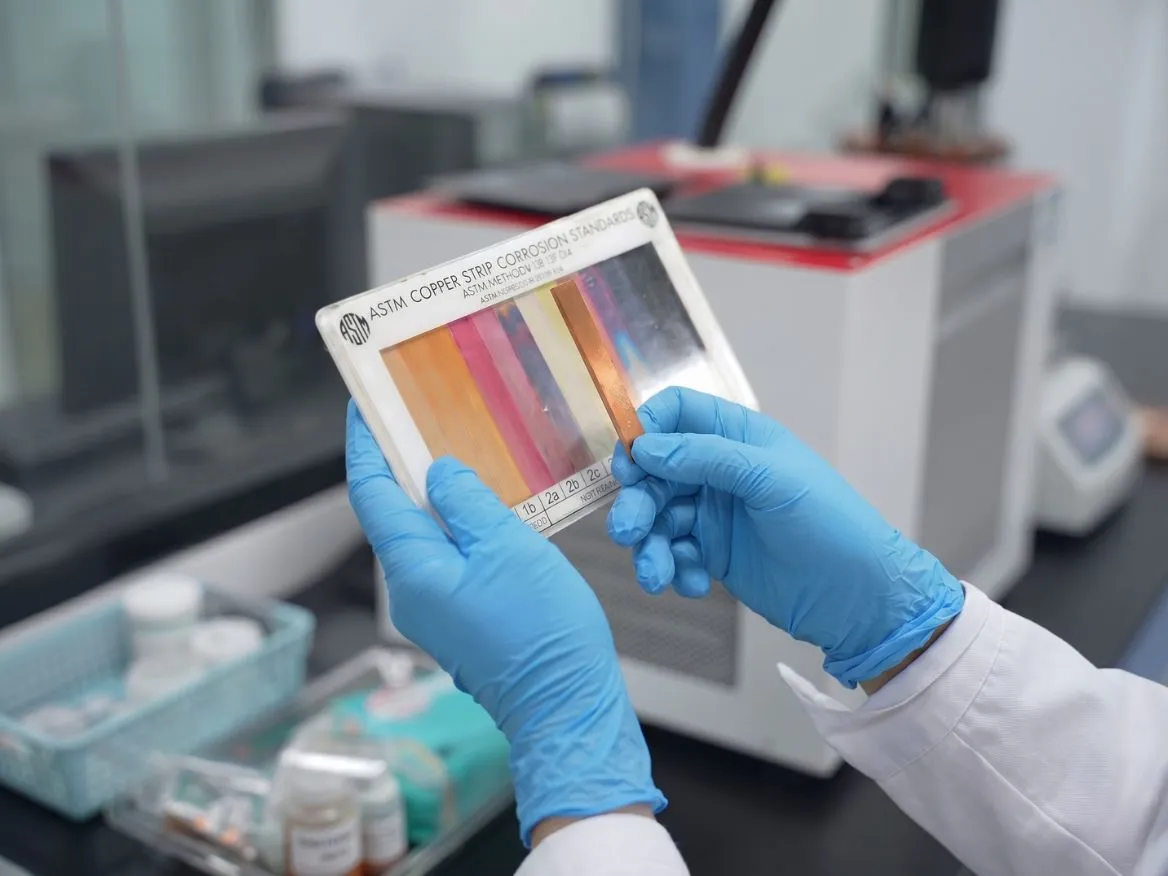
Anti-Corrosion
Passes Copper Strip Tarnish (ASTM D4048) and salt spray testing. Protects critical metal surfaces.
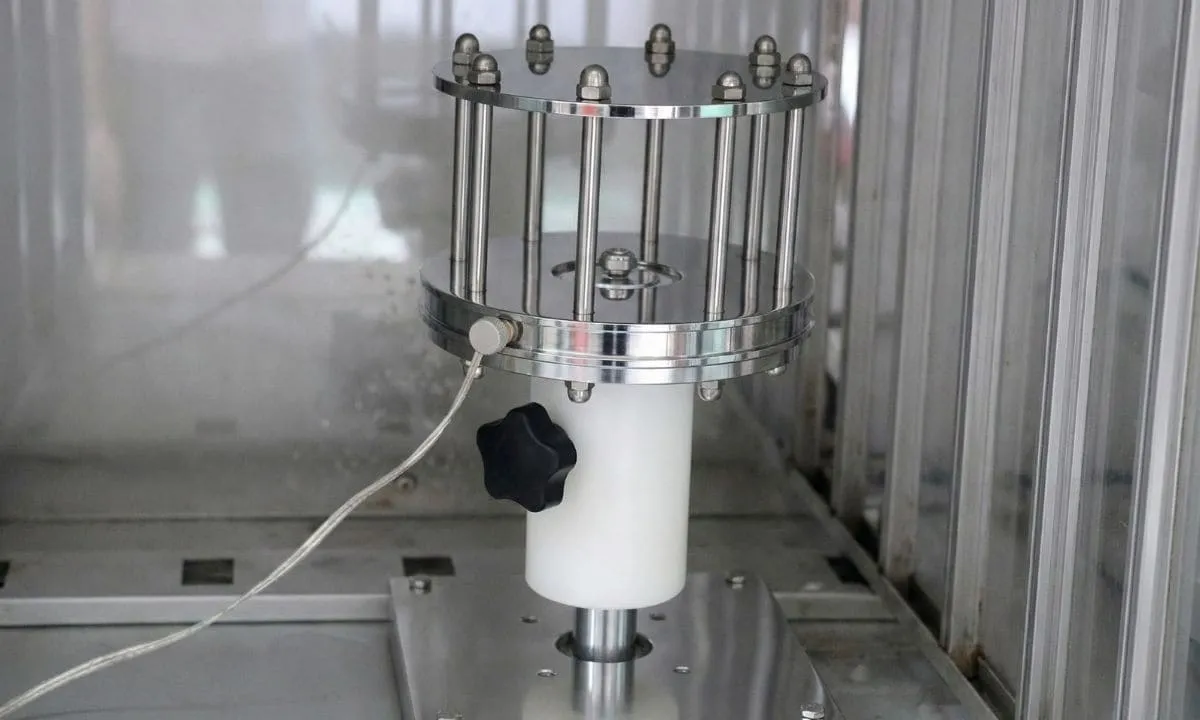
Low Temp Torque
Maintains low starting and running torque at temperatures down to -40°C (ASTM D1478).
PFPE Grease Applications
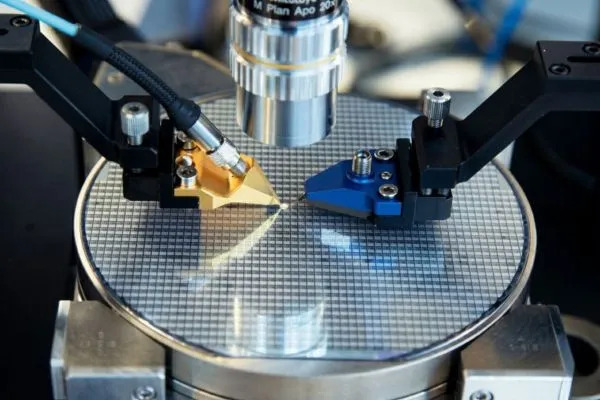
Semiconductor
Points: Vacuum pumps, wafer robots, seals.
Focus: Low vapor pressure, low outgassing.
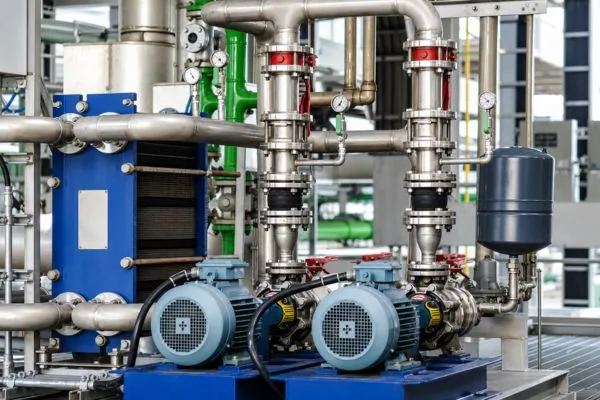
Vacuum Systems
Points: Chamber seals, pump bearings, O-rings.
Focus: Vacuum stability, low volatility.

Oxygen & Gas Valves
Points: Oxygen valves, regulators.
Focus: Non-flammability, chemical inertness.
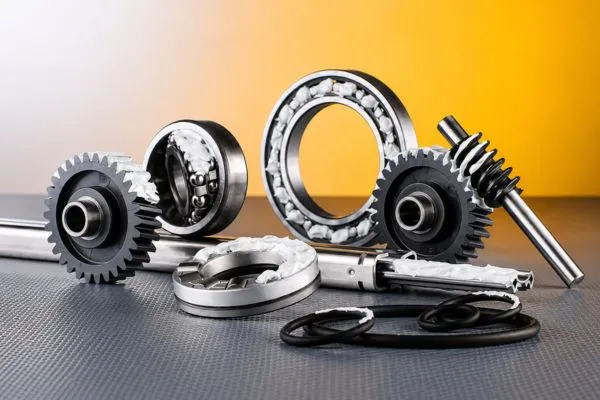
High-Temp Bearings
Points: Oven bearings, dryers, thermal eq.
Focus: Oxidation resistance, evaporation loss.

Chemical Processing
Points: Valve stems, seals, threads, pumps.
Focus: Resistance to solvents, acids, alkalis.
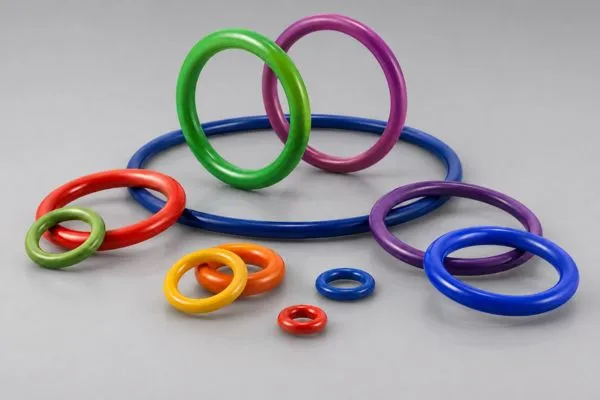
O-Rings & Seals
Points: Elastomer seals, plastic assemblies.
Focus: Material compatibility, swelling resistance.
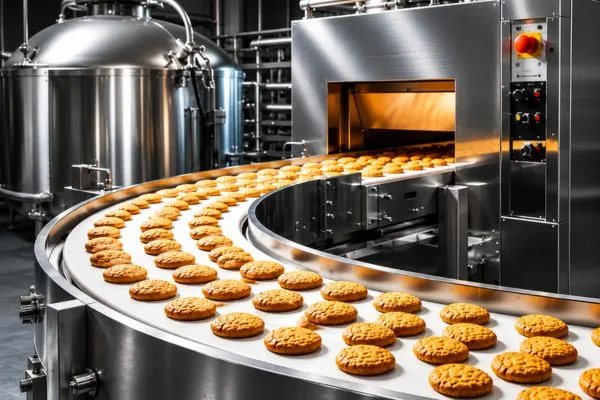
Food & Pharma
Points: Clean bearings, valves and seals.
Focus: Documentation, temperature resistance.
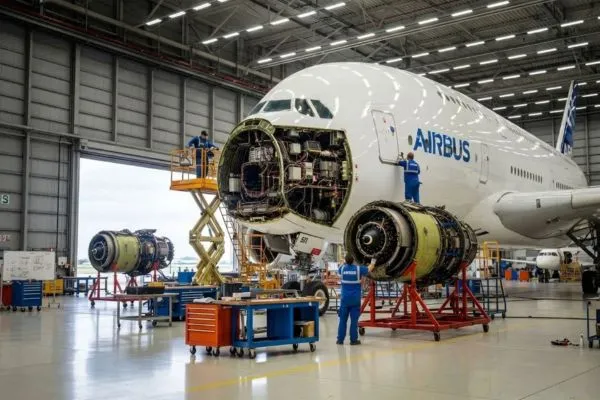
Aerospace & Precision
Points: Precision bearings, actuators, sensors.
Focus: Low torque, wide temp, long service life.
How to Choose the Right PFPE Grease
Follow this engineering workflow to ensure the selected PFPE formula matches your operational constraints and application method.
Define the Condition
High temperature, low temperature, vacuum, oxygen, chemical media, cleanroom or sealed-for-life application.
Confirm Materials
List all metals, plastics, elastomers, O-rings, seals and surface coatings in contact with the grease.
Check Speed & Load
High speed, low torque, heavy load and slow movement require different PFPE base oil viscosity and NLGI grade.
Choose Base Oil Type
K/Y for heavy-load industrial use, M for vacuum and precision, Z for low-temperature and low-torque requirements.
Confirm Packaging
Manual application, syringe dispensing, grease gun, cartridge, jar, tube or bulk filling.
Review TDS & Test
Confirm technical data, material compatibility and sample performance before bulk order.
PFPE Grease vs Silicone, PTFE and Lithium Grease
Understand when to specify PFPE chemistry and when conventional lubricants may be sufficient.
| Comparison Item | PFPE Grease | Silicone Grease | PTFE Grease (General) | Lithium / Synthetic |
|---|---|---|---|---|
| Base Chemistry | PFPE oil + PTFE thickener | Silicone oil + thickener | Varies; often PTFE additive | Mineral/PAO + soap complex |
| Best For | Extreme temp, oxygen, vacuum, chemicals & precision | Rubber/plastic lubing, sealing, water resistance | Low-friction sliding, plastic & metal parts | General industrial bearings & machinery |
| High Temp Stability | Excellent, depending on formula | Good, but below PFPE in extreme service | Depends on base oil | Limited under extreme heat |
| Vacuum / Outgassing | Strong option | Limited | Depends on formula | Usually not suitable |
| Oxygen Compatibility | Available for suitable formulas after review | Not generally preferred | Depends on formula | Usually not suitable |
| Chemical Resistance | Very strong | Moderate | Depends on base oil | Limited |
| When to Choose | Use when failure cost, downtime or exposure justifies PFPE | Use for rubber/plastic sealing and water resistance | Use for low-friction without extreme chemical needs | Use for normal industrial lubrication |
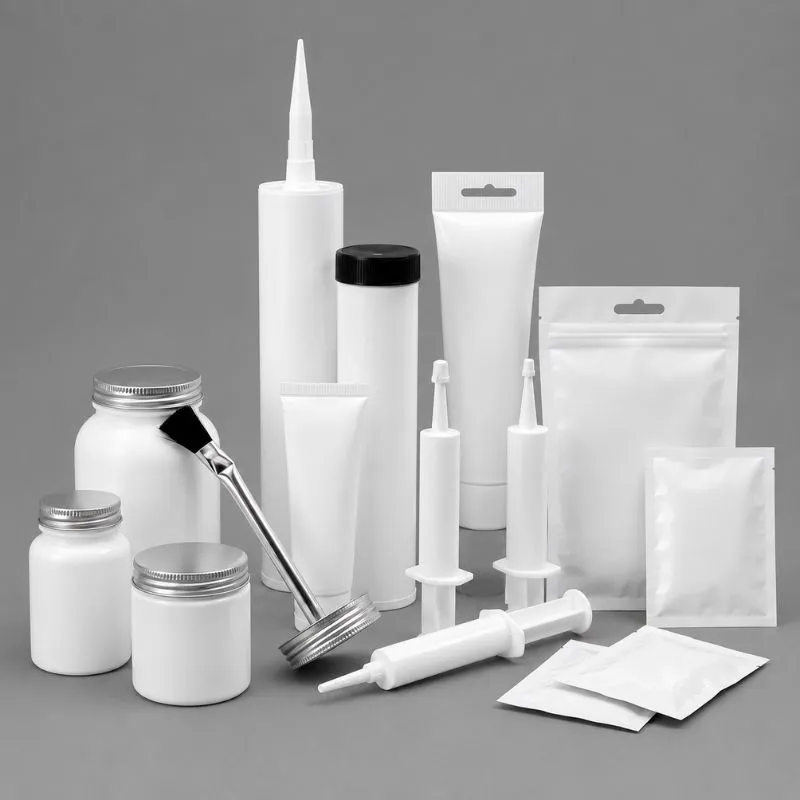
Comprehensive Customization Solutions
Morelic provides end-to-end OEM and ODM services. From engineering specific grease formulations to designing private-label packaging, we tailor every detail to your industrial requirements.
1. Grease Formulation
Engineer the exact chemical and physical properties you need.
- Base Oil: K/Y, M or Z
- Custom Viscosity (cSt)
- NLGI Grade Tuning
- Brand Alternative Matching
2. Packaging & Private Label
Versatile containers ready for retail, maintenance kits or bulk use.
Sachets / Bags • Jars / Cans • Tubes • Syringes • Cartridges
- OEM Packing Support
- Private Label Printing
Before Using PFPE Grease: Important Notes
PFPE chemistry requires proper handling and application review to ensure performance and cost-effectiveness.
Do Not Mix with Unknown Grease
PFPE grease should not be mixed with mineral, PAO, lithium, silicone or unknown old grease. Clean the lubrication point before conversion.
Use When Justified
PFPE grease has a higher material cost. It is best used where high temperature, oxygen, vacuum, chemical exposure or long-life lubrication justifies the cost.
Check Material Compatibility
PFPE grease is widely selected for plastics and elastomers, but compatibility should still be tested with the actual material.
Confirm Oxygen Service Carefully
Oxygen-compatible PFPE grease should be selected based on pressure, concentration, materials and system requirements.
Avoid Overheating Beyond TDS
PFPE grease is thermally stable, but the final temperature limit must follow the selected product TDS.
Use Proper Cleaning Method
PFPE grease is chemically resistant and may require suitable cleaning methods or fluorinated solvents depending on the application.
Why Partner with Morelic?
As a direct manufacturer, we provide strong control over quality, formulation and delivery. We support global brands with specialized lubrication solutions tailored to their technical and packaging requirements.
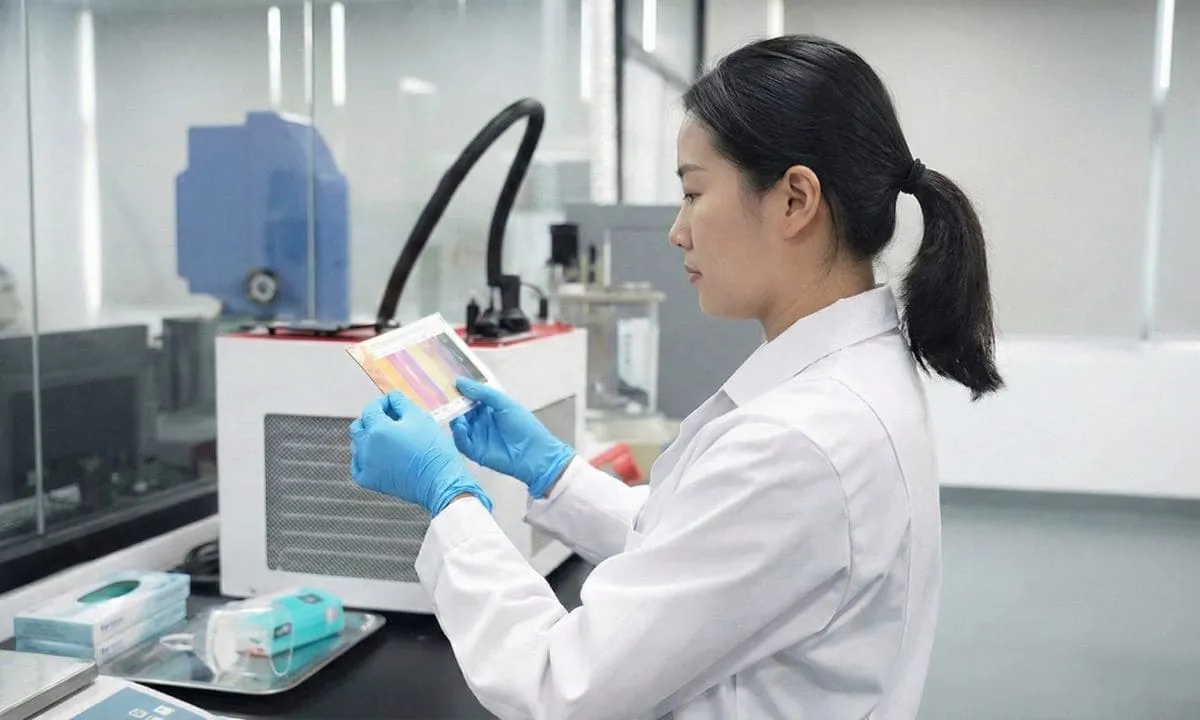
15+ Years Experience
Serving more than 30 industries with thousands of application cases.
Custom Formulation
Tailored grease formulas and flexible small-pack OEM and ODM capabilities.
Global Compliance
Technical documentation and compliance support available according to destination market.
Rapid Delivery
Testing equipment and multiple filling lines support efficient production turnaround.
PFPE Grease Questions Buyers Often Ask
Find technical answers regarding PFPE chemistry, applications and alternatives.
What is PFPE grease?
What is PFPE grease used for?
Is PFPE grease the same as PTFE grease?
Is PFPE grease better than silicone grease?
Can PFPE grease be used in oxygen systems?
Can PFPE grease be used in vacuum applications?
Is PFPE grease food grade?
Can PFPE grease be mixed with other greases?
Why is PFPE grease expensive?
Can Morelic develop an alternative to branded PFPE grease?
Need PFPE Grease for Extreme Operating Conditions?
Submit us your requests by filling the form. Morelic will help you select a suitable PFPE grease formula and prepare samples for testing within 12 hours.
Send Working Conditions
Tell us the temperature, load, speed, vacuum level, oxygen exposure, chemical media, materials and expected service life.
Confirm Formula Direction
Morelic recommends the PFPE base oil type, viscosity, NLGI grade, thickener, packaging and document options.
Test Samples Before Bulk
Samples can be prepared for torque, compatibility, evaporation, application feel, packaging and TDS review.