
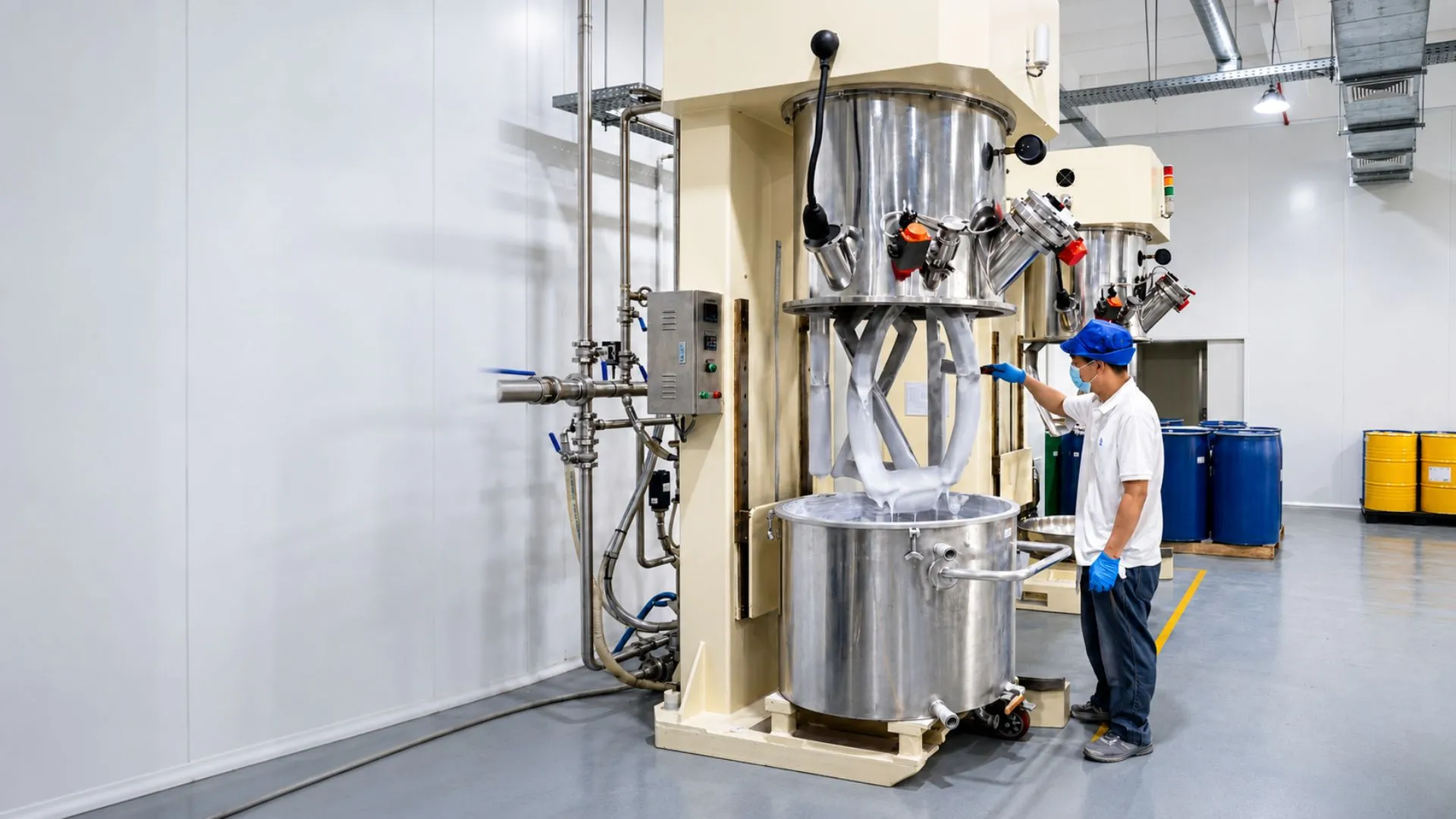
High-Performance Gear Grease Manufacturing
Engineered for extreme loads, open gears, enclosed gearboxes, and plastic gear systems. We deliver premium lubrication solutions tailored to your mechanical demands.
Custom Formula & OEM Small Package
Better Cost Efficiency & Global Compliance
Free Technical Consultation & Lubrication Guidelines
Flexible MOQ & Fast Delivery
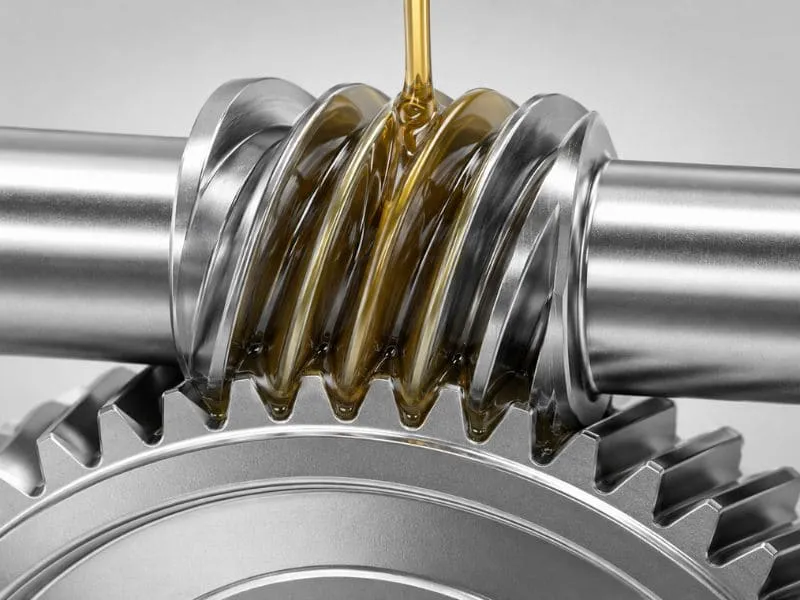
Gear Grease Must Stay Between Moving Teeth
Gear grease is selected differently from general-purpose grease. A gear grease must form a lubricating film on the tooth surface, release oil under movement, resist being squeezed out, and remain compatible with the gear material and operating environment.
Summary: Use gear grease when a lubricant must stay on gear teeth, reduce leakage, support exposed or unusual gear orientation, or lubricate small gear trains that cannot use an oil bath.
Gear Grease or Gear Oil: Which One Fits Your Design?
Many engineers confuse gear grease and gear oil. Select the right physical state based on sealing, speed, and cooling requirements.

Opt for Gear Grease
- The gear is exposed or semi-enclosed
- Leakage must be reduced
- The gearbox orientation makes oil bath difficult
- Lifetime lubrication is required
- Plastic gear trains need clean, controlled lubrication
- Small-pack maintenance kits are needed
Decision Questions
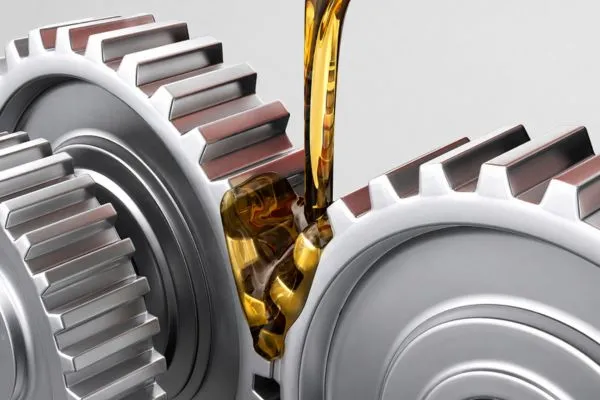
Opt for Gear Oil
- The gearbox is fully sealed
- Heat removal and debris circulation are important
- Oil bath, splash lubrication or forced circulation is designed
- OEM specifies a gear oil viscosity grade
Warning: Always follow the equipment OEM recommendation. If the current design uses gear oil, do not replace it with grease without confirming lubrication method, temperature, speed and sealing conditions.
Gear Material Compatibility Comes Before Color or Price
Applying the wrong grease can cause plastics to crack, brass to corrode, or seals to swell. Review our compatibility matrix.
| Material | Possible Direction | Compatibility Concern | What Morelic Checks |
|---|---|---|---|
| Steel / Cast Iron | EP lithium complex, calcium sulfonate, moly/graphite open gear grease | shock load, corrosion, pitting | EP requirement, rust protection, operating temperature |
| Bronze / Brass | non-corrosive additive system, synthetic grease after testing | active sulfur EP additives may affect yellow metals | copper corrosion, additive chemistry, gear supplier recommendation |
| Nylon / PA | silicone, PTFE, selected synthetic grease | swelling, shrinkage, embrittlement, torque increase | base oil compatibility, temperature, long-term exposure |
| POM / Acetal | PTFE/synthetic/silicone direction after testing | low noise and low torque requirement | plastic compatibility, oil separation, noise test |
| ABS / PC | silicone or carefully selected synthetic grease | stress cracking or surface damage | plastic sample test and customer material data |
| Rubber Seals / Elastomers | silicone or compatible synthetic grease | swelling, hardening, leakage | seal material and exposure time |
*For plastic gear grease projects, Morelic recommends checking the exact plastic grade and elastomer material before final formula confirmation.
Gear Grease Project Directions We Can Support
From heavy-duty industrial racks to micro plastic gears, explore our specialized formula directions.
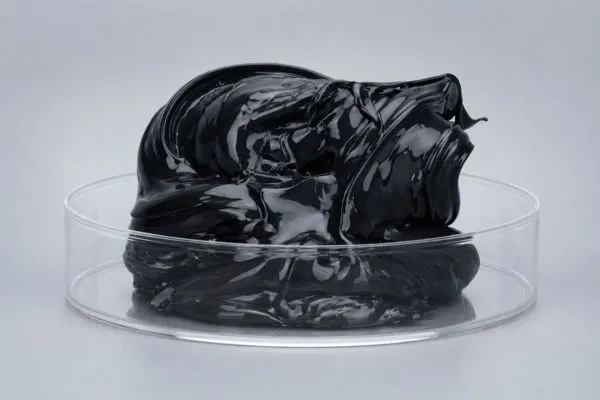
Open Gear Grease
Best For: Heavy-duty open gears, racks, chains, sprockets, and outdoor construction machinery.
Performance Focus: Superior adhesion, anti-fling properties, extreme pressure (EP) protection, and excellent weather resistance.
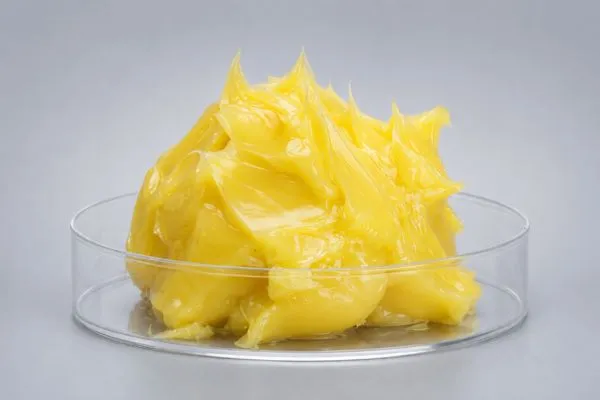
Metal Gear Grease
Best For: Enclosed gearboxes, precision gear reducers, and compact metal mechanical assemblies.
Performance Focus: Controlled oil release, exceptional oxidation stability, minimal leakage, and extended service intervals.
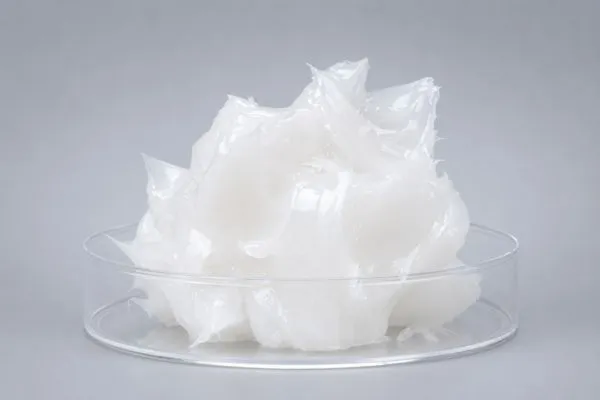
Plastic Gear Grease
Best For: Plastic-to-plastic and plastic-to-metal gear pairs in robotics, appliances, and precision mechanisms.
Performance Focus: Excellent plastics compatibility, noise dampening, low starting torque, and clean operation.
Explore silicone grease or PTFE grease options.
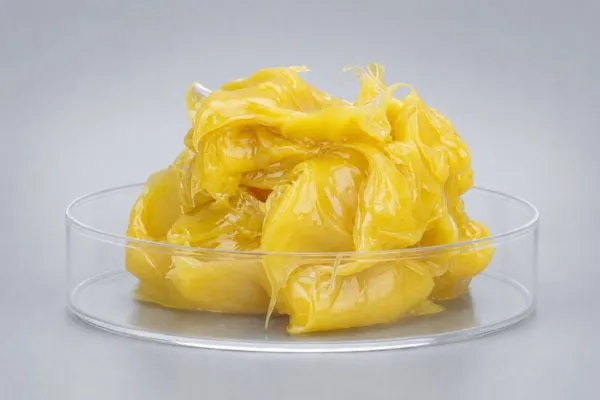
Worm Gear Grease
Best For: Bronze/steel worm gears, linear actuators, and high-load sliding gear contacts.
Performance Focus: High film strength, advanced sliding wear reduction, thermal stability, and yellow metal compatibility.
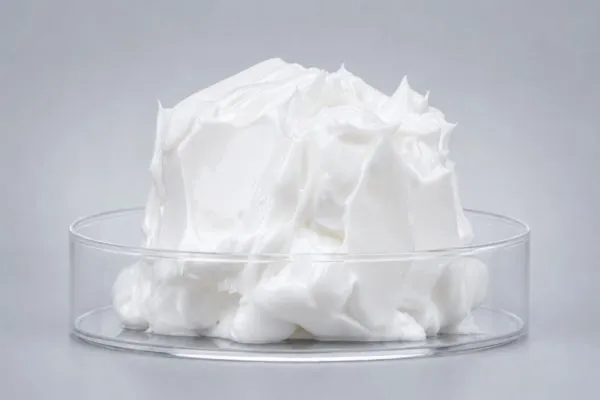
Low-Temperature Gear Grease
Best For: Cold storage facilities, arctic construction machinery, freezer conveyors, and extreme cold-weather gear systems.
Performance Focus: Ultra-low starting torque, excellent cold pumpability, prevents freezing or stiffening, and reliable sub-zero operation.
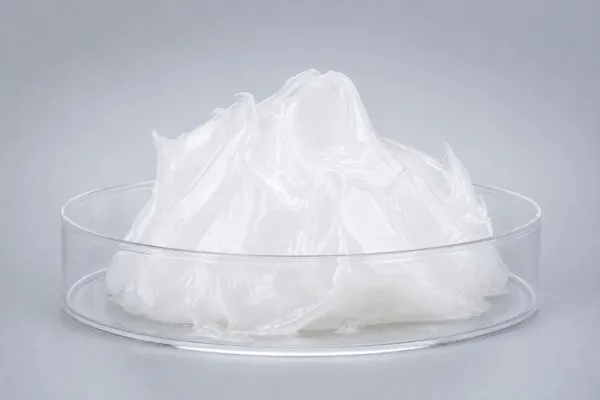
Food-Grade Gear Grease
Best For: Food processing gear drives, packaging conveyors, mixers, and bottling equipment.
Performance Focus: NSF H1 compliance support, superior washout resistance, anti-corrosion, and safe clean operation.
Check our food grade grease solutions.
Not sure which gear grease type fits your project?
Typical Technical Parameters for Gear Grease Projects
We adjust these parameters based on your specific gear material, speed, load, and packaging requirements.
| Parameter | Range | Why |
|---|---|---|
| NLGI Grade | 000, 00, 0, 1, 2 depending on gear design | controls flow, staying power, leakage and application method |
| Base Oil Viscosity | project-specific, low to very high viscosity | affects film thickness, torque, temperature rise and load protection |
| Thickener | lithium complex, calcium sulfonate, polyurea, PTFE, silicone | affects mechanical stability, water resistance, oil release |
| Solid Lubricants | PTFE, moly, graphite or clean white solid options | helps reduce friction and support EP or low-noise performance |
| Tackiness | adjustable | important for open gears, racks, chains and anti-fling performance |
| Copper Corrosion | available for selected projects | important for bronze/brass/yellow metal gears |
| Documents | MSDS, TDS, RoHS, REACH, NSF H1 support | supports import, compliance and B2B procurement |
* Final values should be confirmed by sample testing and the project TDS. Morelic can adjust the formula direction based on gear material, operating conditions and packaging requirements.
Gear Grease Problems We Help Buyers Diagnose
Experiencing fling-off, noise, or leakage? See how adjusting the formula or packaging can solve common gear lubrication issues.
Grease flings off teeth
Cause: low tackiness, high speed, excessive amount
Response: tacky grease, higher adhesion
Need: gear speed, open/closed design
Gear noise increases
Cause: wrong viscosity, poor film formation
Response: low-noise synthetic or PTFE grease
Need: gear material, noise target
Plastic gears swell
Cause: base oil incompatibility with plastic
Response: silicone/PTFE tested grease
Need: plastic material grade
Grease separates
Cause: formula instability, storage temp
Response: improved thickener system
Need: target shelf life, storage condition
Gearbox leaks
Cause: grease too soft, overfilling, seal issue
Response: controlled consistency, seal review
Need: gearbox orientation, fill volume
Open gears rust
Cause: water exposure, poor rust protection
Response: water-resistant anti-rust package
Need: outdoor exposure, washdown
Worm gear runs hot
Cause: sliding contact, wrong viscosity
Response: synthetic grease, anti-wear additive
Need: speed, temp, material
Users apply too much
Cause: package dosage not controlled
Response: syringe, small tube, sachet
Need: target pack size, application method
Gear Grease Compared with Related Lubricants
Avoid misapplication by understanding the difference between gear grease and other common industrial lubricants.
Gear Grease vs General Purpose Grease
Gear grease is selected for tooth contact, tackiness, EP protection, noise control and material compatibility. General grease may not stay on gear teeth or meet gear-specific load and speed requirements.
Gear Grease vs Bearing Grease
Bearing grease focuses on rolling elements and raceways. Gear grease focuses on tooth contact, sliding/rolling motion, adhesion and anti-fling behavior.
Gear Grease vs Silicone Grease
Silicone grease can be useful for selected plastic gears, rubber-compatible mechanisms and low-load applications, but heavy-duty metal gears may need EP or tacky gear grease.
Gear Grease vs PTFE Grease
PTFE grease can help reduce friction and noise in small gears and plastic gear trains. It is not automatically the best choice for every heavy-load metal gear.
Gear Grease vs Anti-Seize
Anti-seize paste is for threaded parts and assembly surfaces to prevent sticking. It should not be treated as a normal gear lubricant unless the application is specifically designed for that type of paste.
Gear Grease Applications Morelic Can Support
From heavy industrial machinery to delicate consumer electronics.
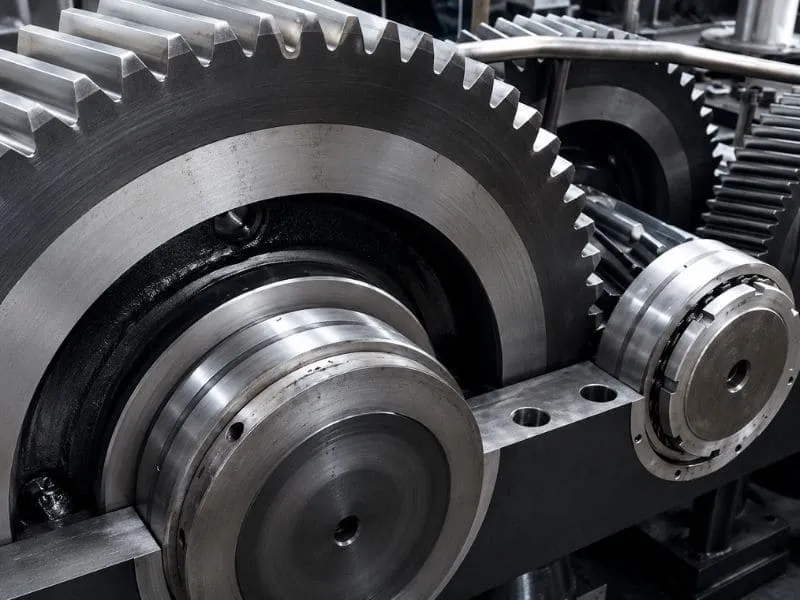
Open Gears
Challenge: shock load, dust, fling-off
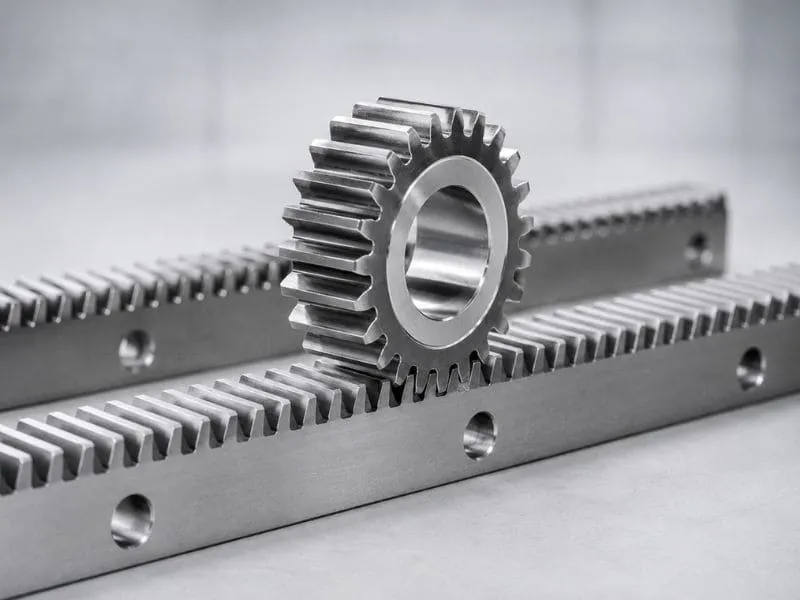
Rack and Pinion
Challenge: adhesion, weather resistance
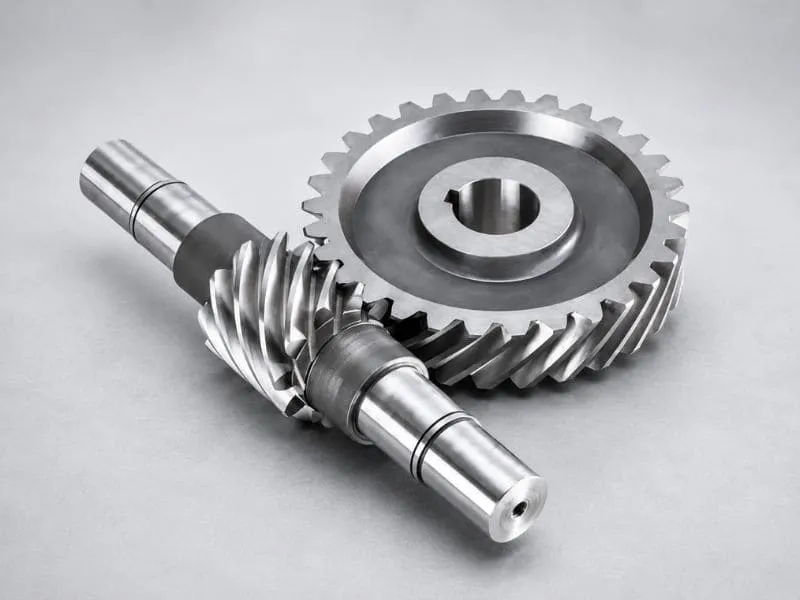
Worm Gears
Challenge: sliding friction, bronze compatibility
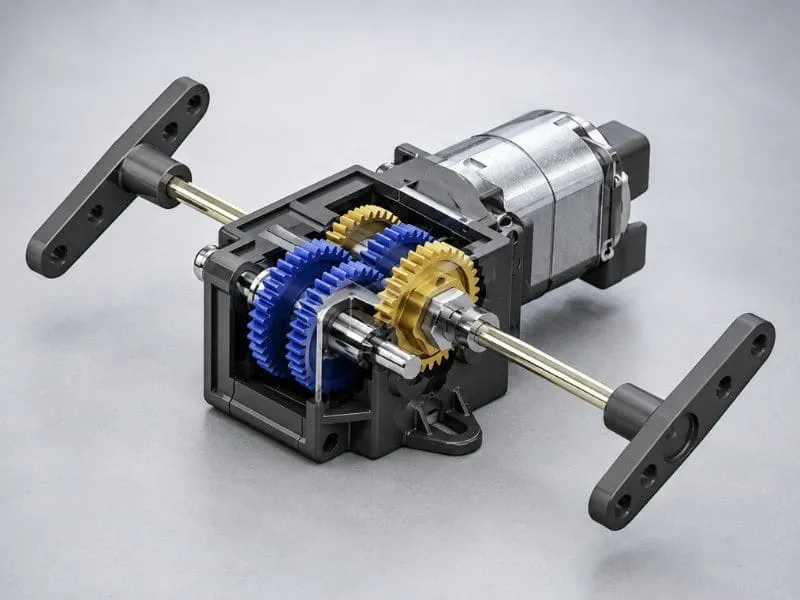
Small Gearboxes
Challenge: leakage, lifetime lubrication
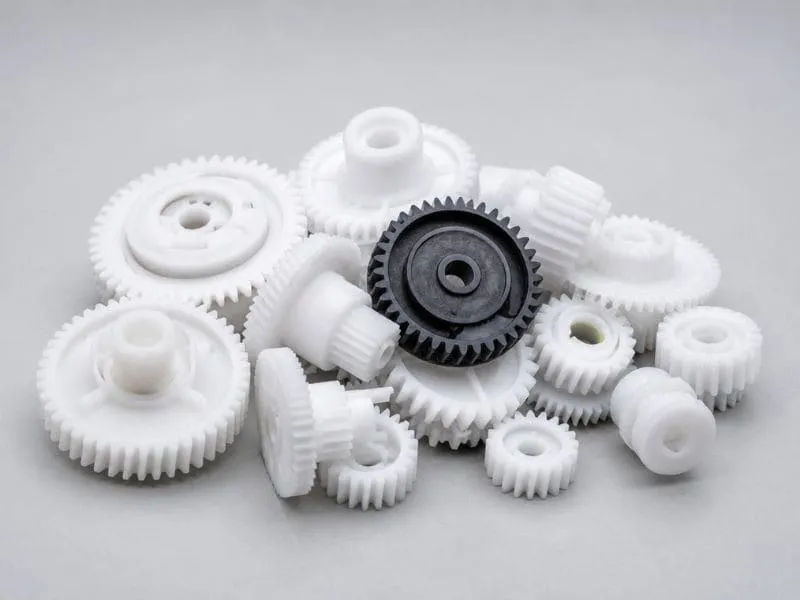
Plastic Gear Trains
Challenge: noise, low torque, swelling
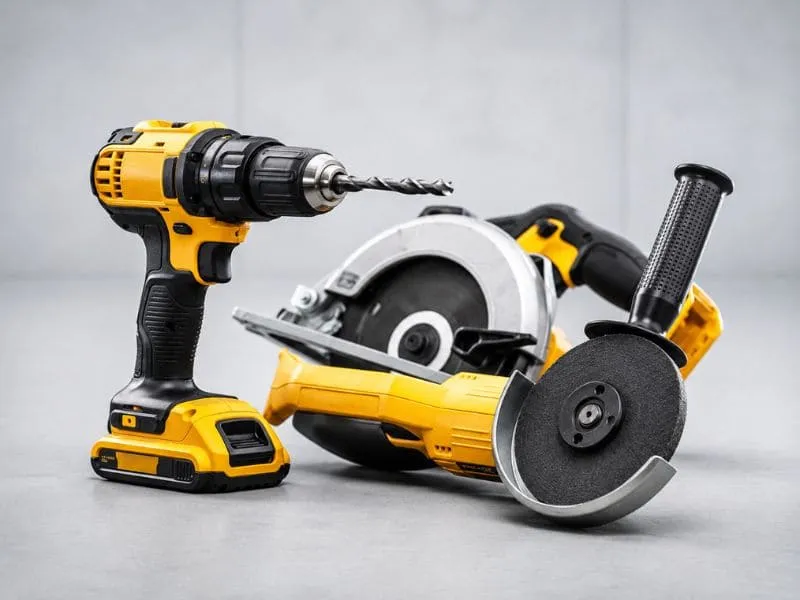
Power Tools
Challenge: high speed, heat, vibration

Robotics & Actuators
Challenge: precision, low outgassing

3D Printer Kits
Challenge: clean appearance, small dosage
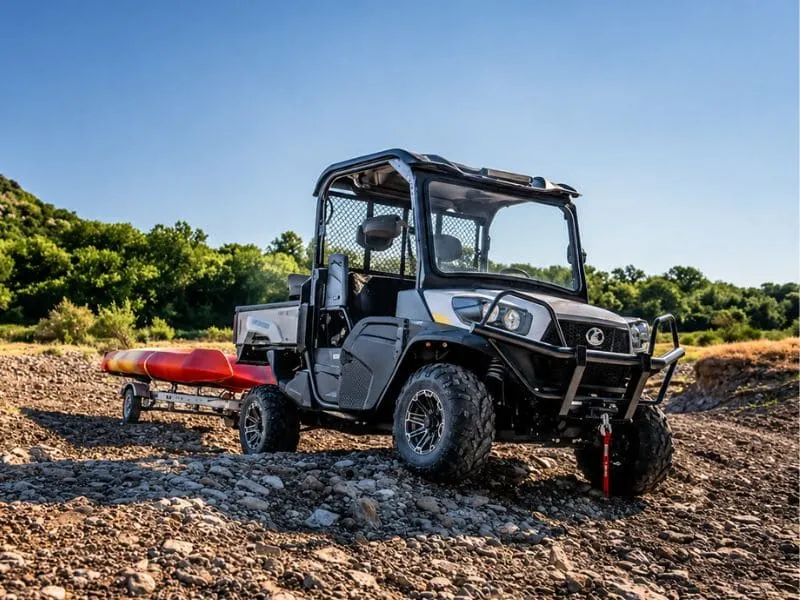
Outdoor Equipment
Challenge: rain, dirt, wide temp range

Food Processing
Challenge: NSF H1, washdown resistance
Custom Gear Grease Formula Architecture
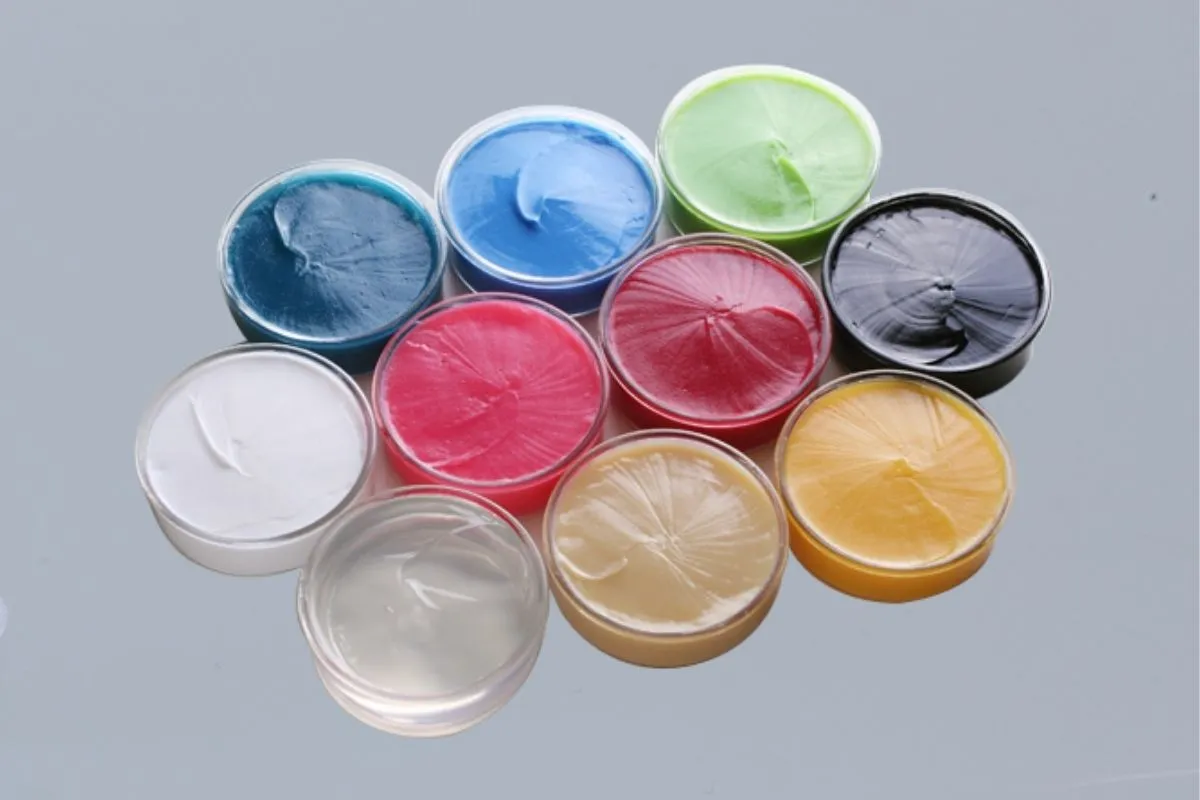
For gear grease projects, Morelic does not recommend selecting by color alone. We build the formula layer by layer based on your mechanical requirements.
Packaging System
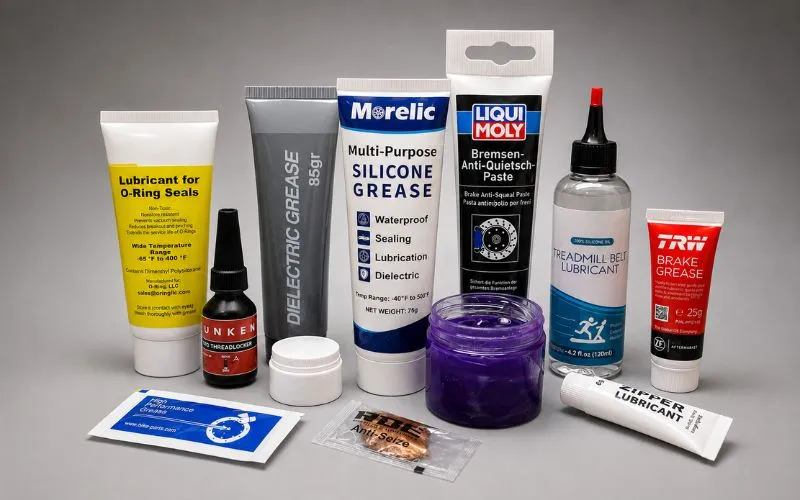
sachet, tube, syringe, jar, cartridge, pail, drum, retail kit
Additive Package
anti-wear, anti-corrosion, oxidation inhibitor, tackifier, EP, anti-rust
Solid Lubricants
PTFE, molybdenum disulfide, graphite, white solid lubricants
Thickener System
lithium complex, calcium sulfonate, polyurea, PTFE, inorganic, silicone
Base Oil
mineral oil, PAO synthetic, ester, silicone oil, PFPE
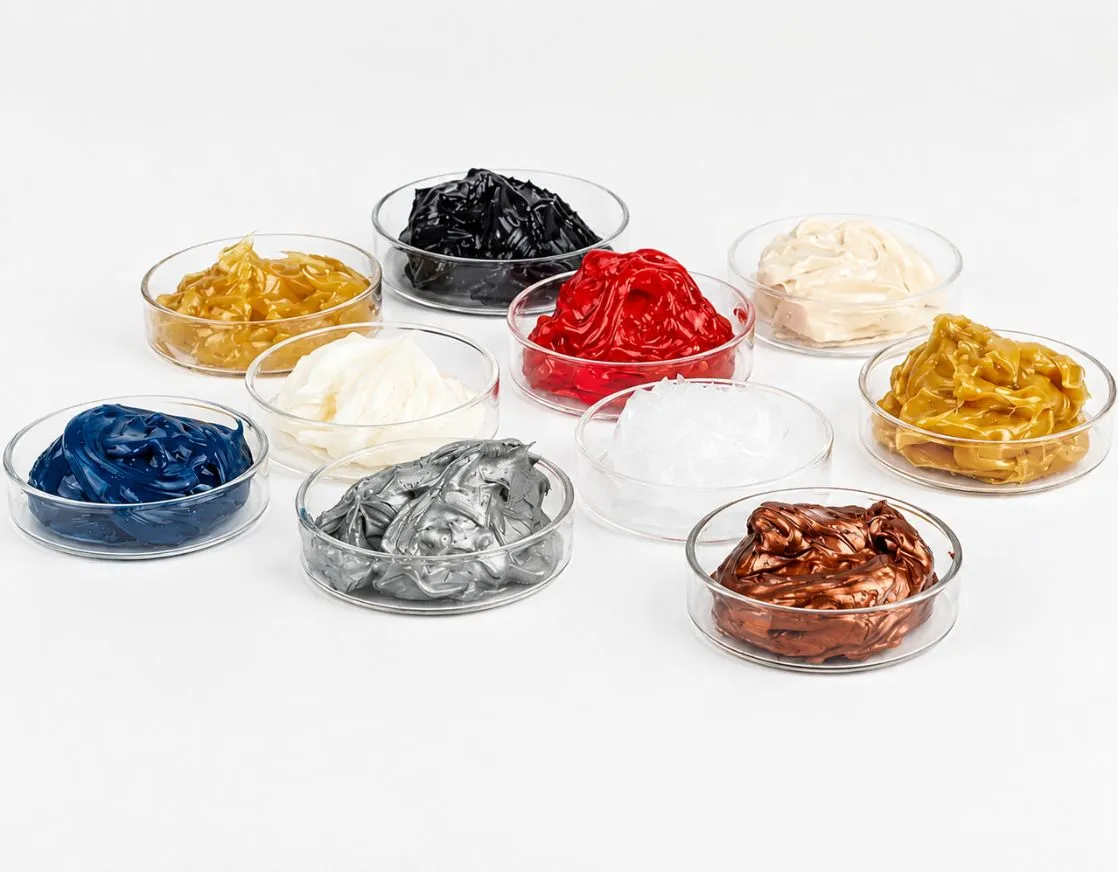
Why Custom Formulation?
We review gear material, load, speed, temperature, operating position, packaging method and end-user maintenance habits before recommending a formula direction.

Why Partner with Morelic?
As a direct manufacturer, we provide unparalleled control over quality, formulation, and delivery times. We empower global brands with robust lubrication solutions tailored to their exact specifications.
15 Years Experience
Servicing 30+ industries with 5000+ successful client cases.
Custom Formulation
Tailored grease formulas & small-pack OEM/ODM capabilities.
Global Compliance
Meeting international standards by using imported premium raw PFPE oil.
Rapid Delivery
Advanced testing & multiple high-speed filling machines ensure fast turnaround.
QC Checks for Gear Grease Manufacturing
QC Items
- • Appearance and color check
- • NLGI / worked penetration
- • Oil separation observation
- • Dropping point
- • Tackiness and application behavior review
- • Copper corrosion for selected projects
- • Rust and water resistance tests
- • 4-ball wear / EP test for selected formulas
- • Filling weight inspection
- • Tube, syringe, sachet sealing check
- • Label, batch code and carton inspection
Documents
- 📄TDS & MSDS
- 📄RoHS & REACH
- 📄 COA if required
- 📄 NSF H1 support for food-grade
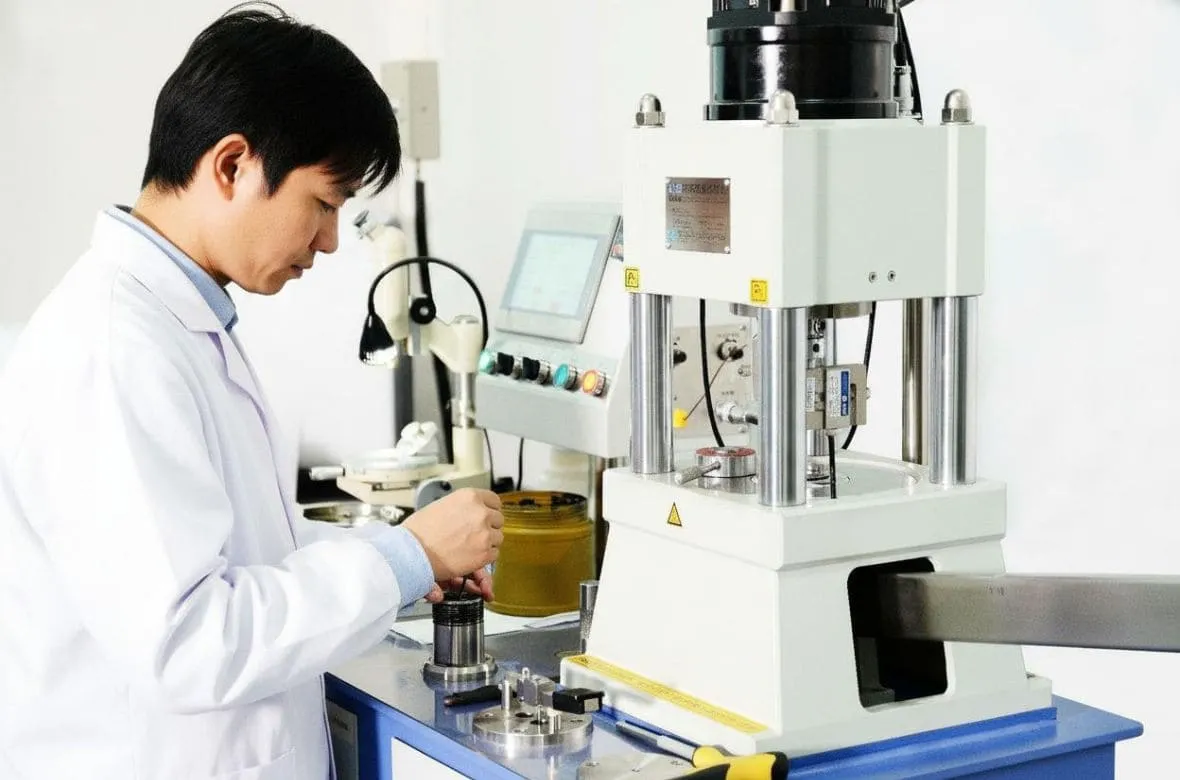
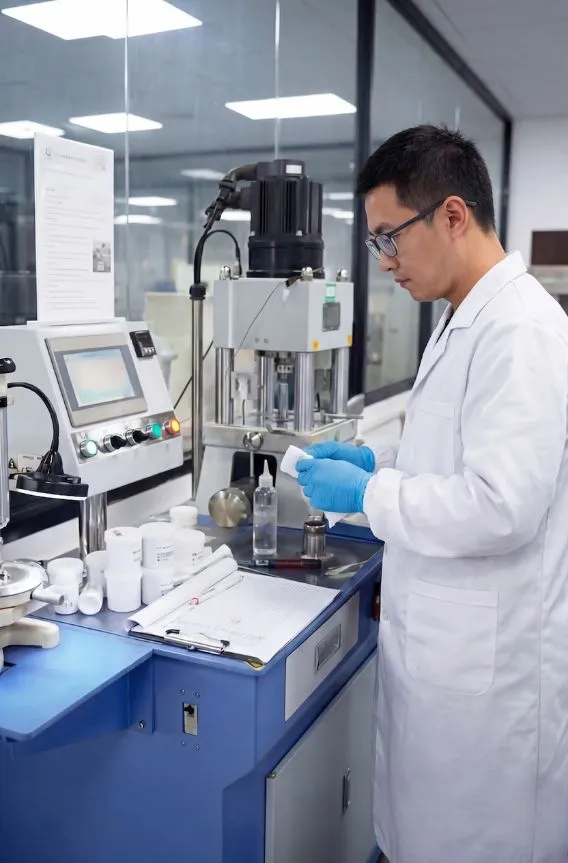
Morelic has 8+ senior R&D engineers and an internal QC laboratory to support formulation review, sample testing and production batch inspection.
Frequently Asked Questions
Technical answers for gear grease selection and OEM manufacturing.
What is gear grease?
What is the difference between gear grease and gear oil?
Can grease be used in a gearbox?
What grease should be used for plastic gears?
What is open gear grease?
Why does gear grease fling off?
What grease is suitable for worm gears?
Can different gear greases be mixed?
What packaging can Morelic provide for gear grease?
Morelic Response Process
After receiving your project brief, Morelic can recommend a formula direction, prepare samples, check packaging feasibility and provide MSDS/TDS support for B2B procurement within 12 hours.