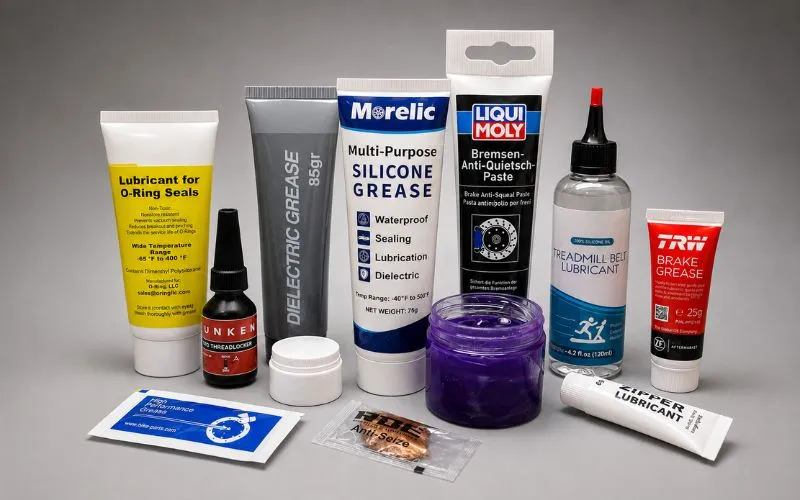
Trusted Food Grade Grease Manufacturer in China
NSF H1 food-safe lubricants for food processing equipment, coffee machines, seals, O-rings, bearings, valves and packaging machinery. Morelic supports custom formulas, private-label packaging and export-ready technical documents for B2B buyers.
NSF H1 Support
For applicable food-grade formulas used where incidental food contact may occur.
ISO 9001 Framework
Standardized manufacturing and traceability from raw material to export.
Internal QC Lab
Batch checks include consistency, filling weight, and packaging seal.
8+ R&D Engineers
Material compatibility, temperature matching, and formula adjustment.
OEM Packaging
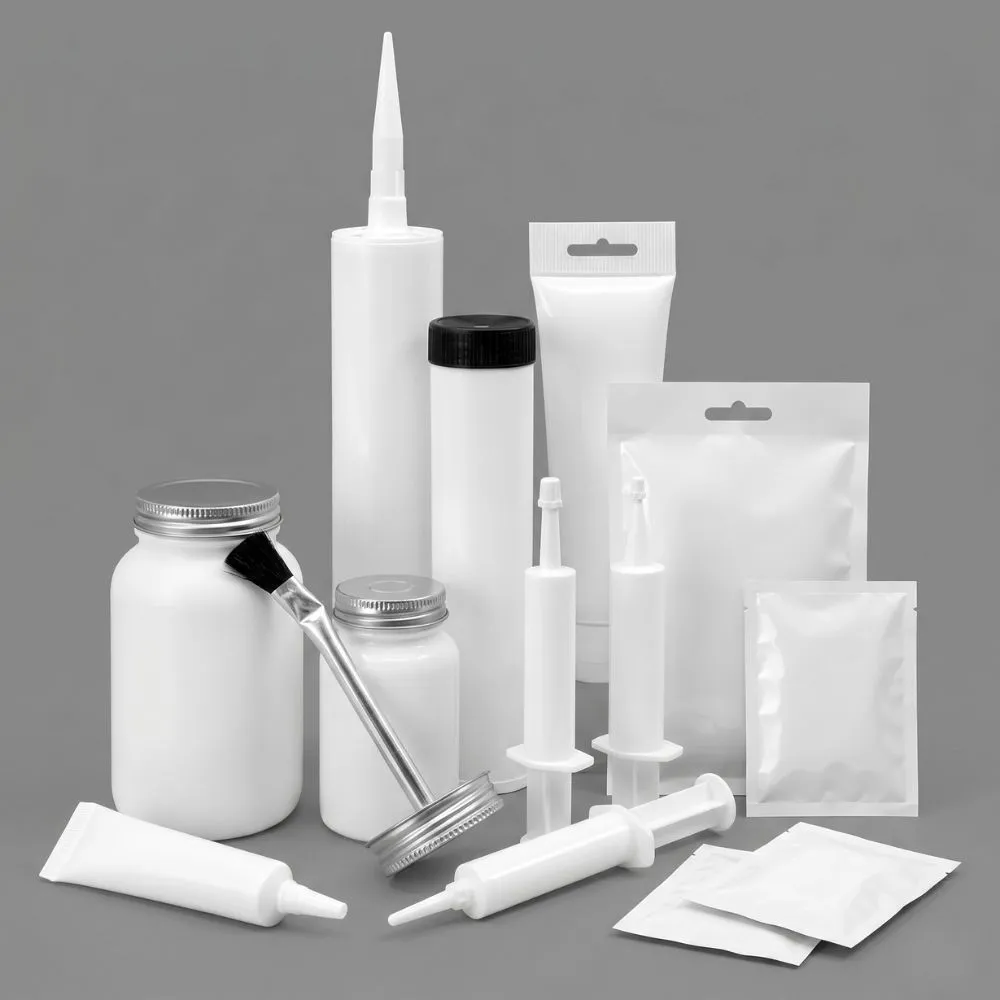
Tubes, syringes, sachets, cartridges, and private label design support.
Global Compliance
MSDS, TDS, RoHS, REACH documents prepared for import review.
What Is Food Grade Grease?
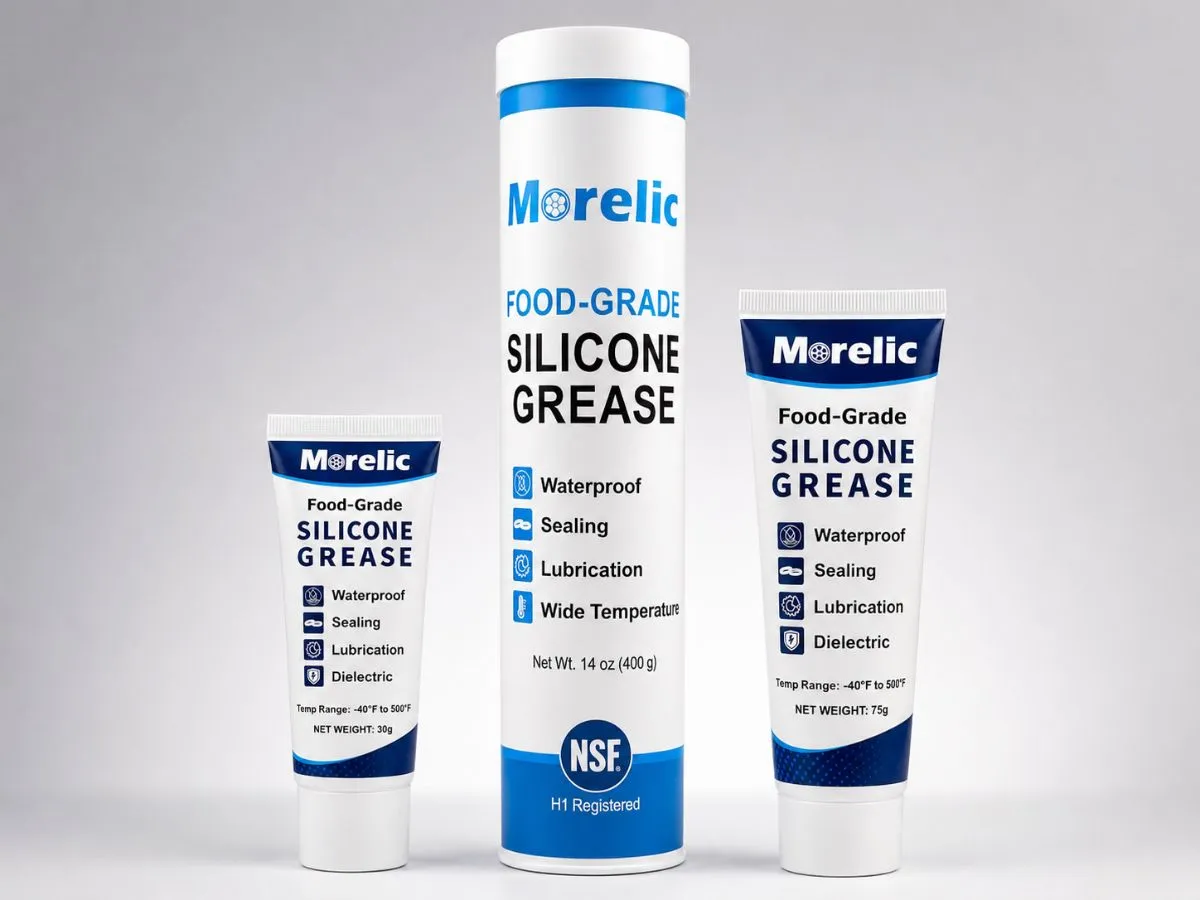
Food-grade grease is a specialized lubricant formulated with non-toxic ingredients for food, beverage, pharmaceutical, packaging, brewing, and bakery equipment where lubricant exposure must be strictly controlled.
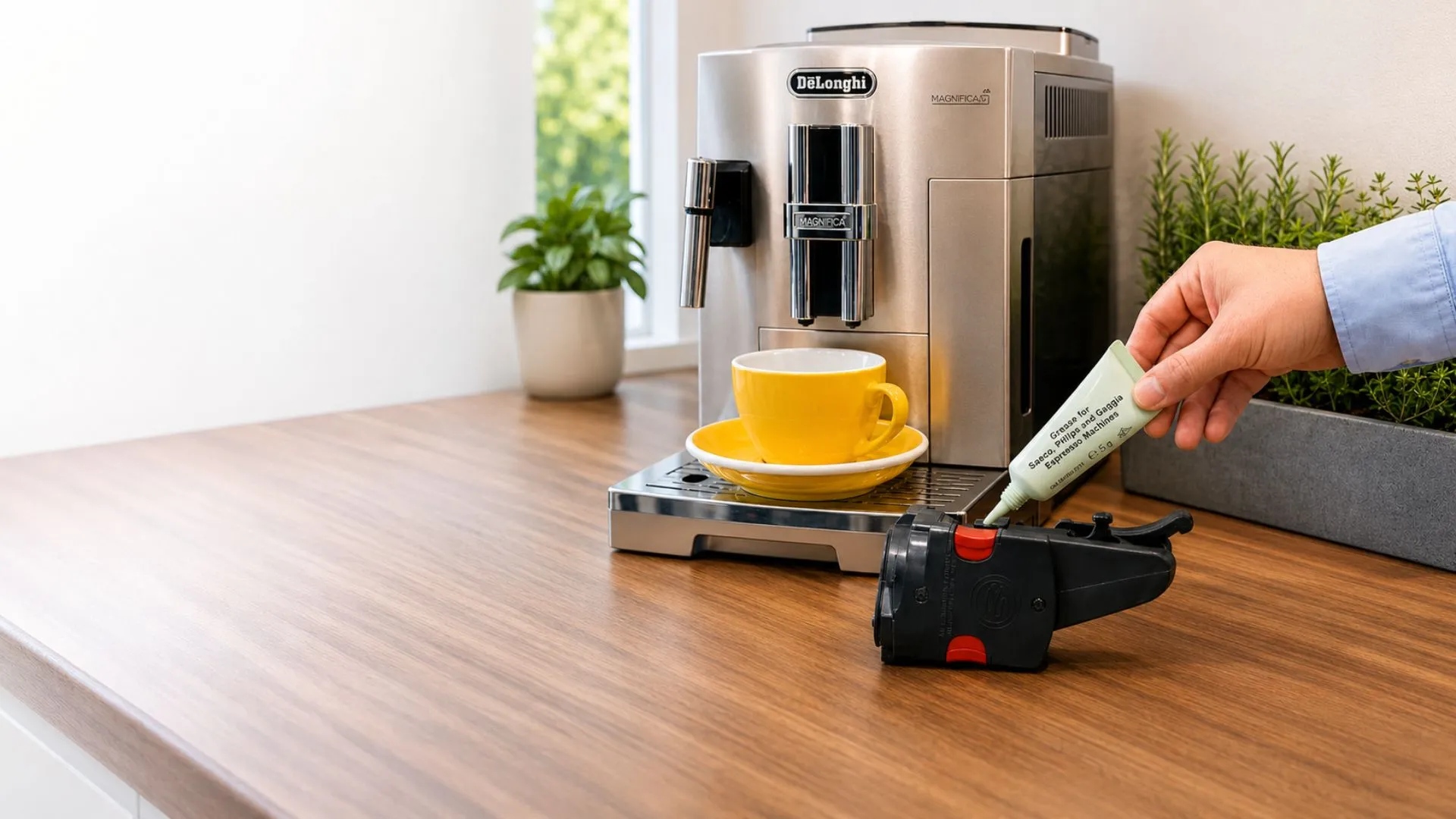
Designed to eliminate the risk of food contamination, it is widely utilized across commercial food-processing machinery, as well as appliances like stand mixers and espresso machines.
For these critical applications, industry professionals rely on NSF H1 grease, which is specifically engineered for environments where incidental food contact may occur, ensuring operational safety and compliance without serving as a direct food ingredient.
The Ratings System (NSF Classifications)
H1 Lubricants
Used where incidental food contact may occur. Common for bearings, seals, slides, conveyors, valves and packaging equipment near food zones.
H2 Lubricants
Used in non-food-contact areas where there is absolutely no possibility of food contact during normal operations.
H3 Lubricants
Usually edible oils used for rust prevention on hooks, trolleys or similar equipment where direct food contact may happen.
Critical Lubrication Challenges
Selecting the wrong grease leads to equipment failure, compliance risks, or wasted packaging costs. We solve these core pain points.
Food-Grade Compliance
Risk: Equipment rejection due to missing food-safe certification.
Morelic Solution: NSF H1 certified greases with full MSDS/TDS documentation for global import clearance.
Material Compatibility
Risk: Wrong base oil degrades rubber seals and plastics, causing leaks.
Morelic Solution: Silicone-based formulas rigorously tested for EPDM and plastic safety.
Washdown Resistance
Risk: Frequent steam cleaning strips lubrication, leading to bearing failure.
Morelic Solution: High-tack, water-resistant formulas designed for beverage valves and bottling lines.
Extreme Temperatures
Risk: Standard greases melt or carbonize in ovens and bakery equipment.
Morelic Solution: High-temp & PFPE greases engineered for severe thermal stability.
Custom OEM Packaging
Risk: Standard packaging doesn't fit specific repair kits or retail specs.
Morelic Solution: OEM/ODM support from 0.5g sachets to 14oz cartridges with private labeling.
Technical Selection
Risk: Applying the wrong NLGI grade or thickener causes premature wear.
Morelic Solution: Expert matching based on speed, load, temperature, and environmental factors.
Explore Our Food Grade Grease Products
Select the right base chemistry for your specific equipment and packaging needs.
Food Safe Silicone Grease
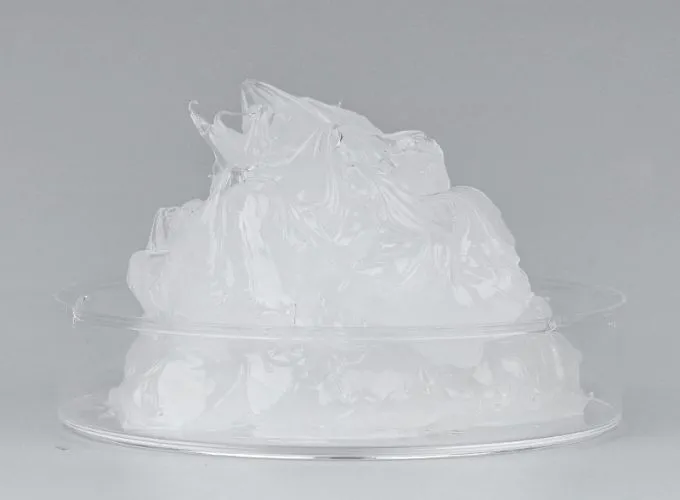
For O-rings, seals, coffee machine parts, valves, gaskets and rubber/plastic contact areas.
- Good water resistance
- Excellent rubber/plastic compatibility
- Non-curing grease film
- Ideal for small service packs
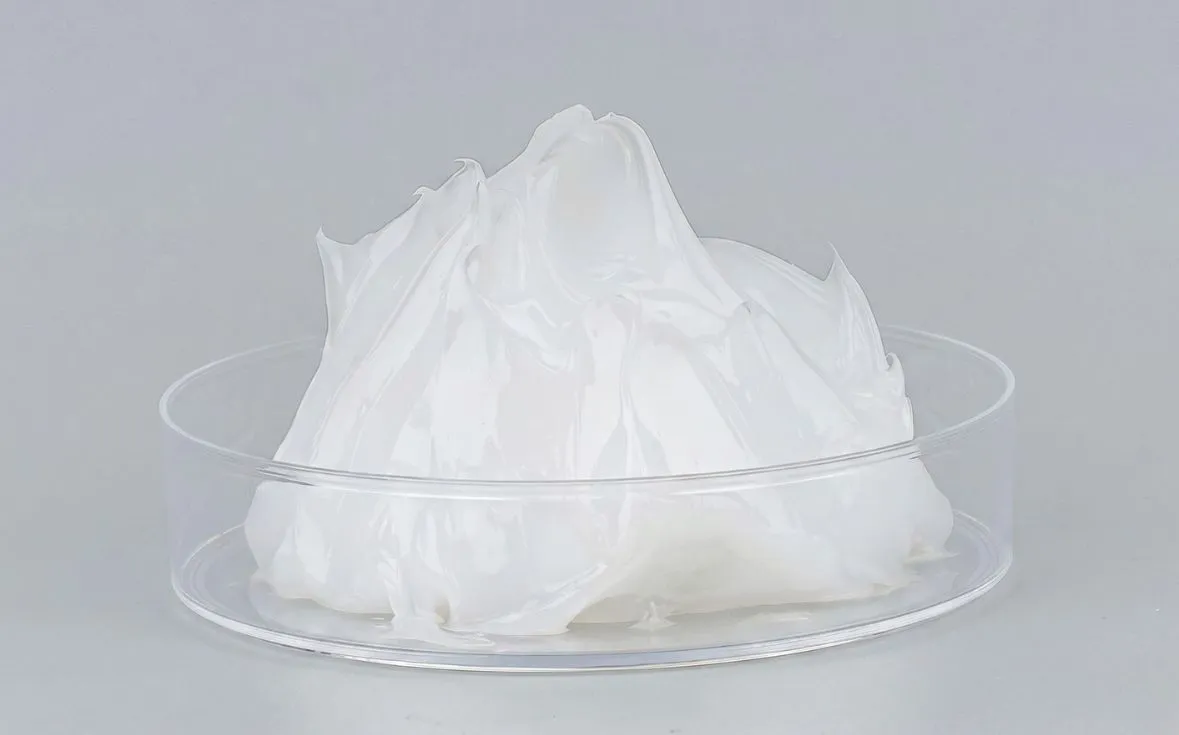
Food Grade PTFE Grease
For sliding parts, plastic gears, guide rails, light-load bearings and low-friction components.
- PTFE-enhanced lubrication
- Low friction coefficient
- Clean, white appearance
- Suitable for OEM syringes
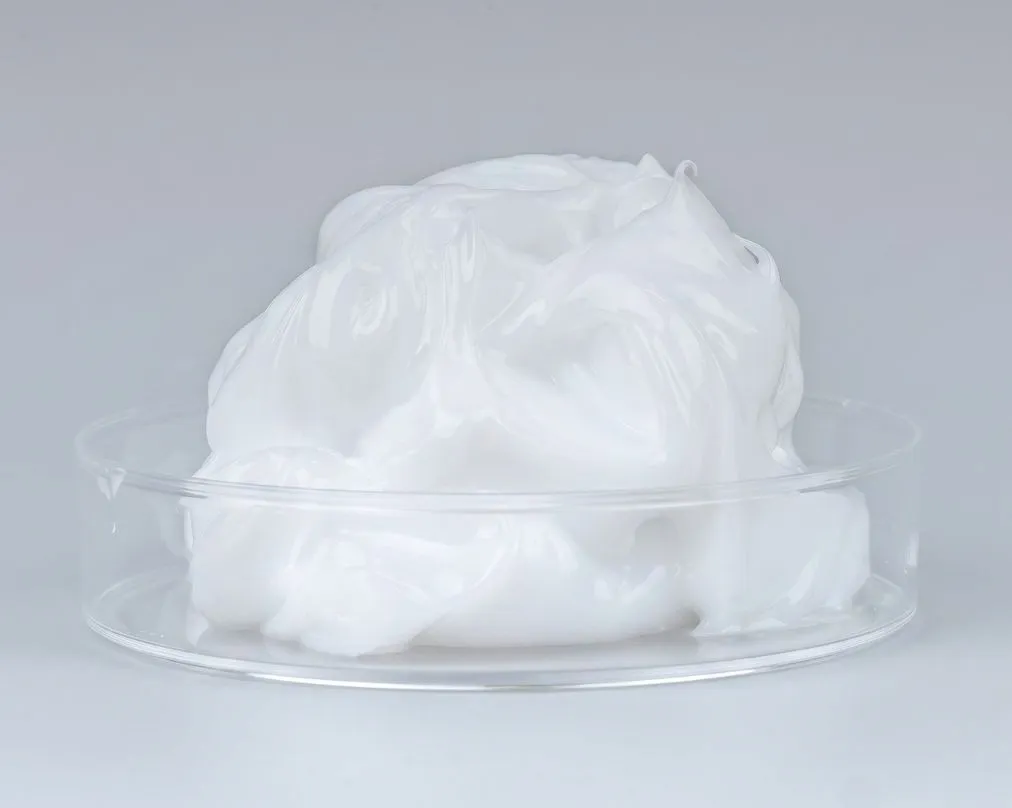
Food Safe Bearing Grease
For bearings, bushings, rollers, mixers, blenders and heavy-duty packaging equipment.
- NLGI 1, 1.5, 2 grade options
- Load carrying capacity
- Water resistance options
- Suitable for grease guns
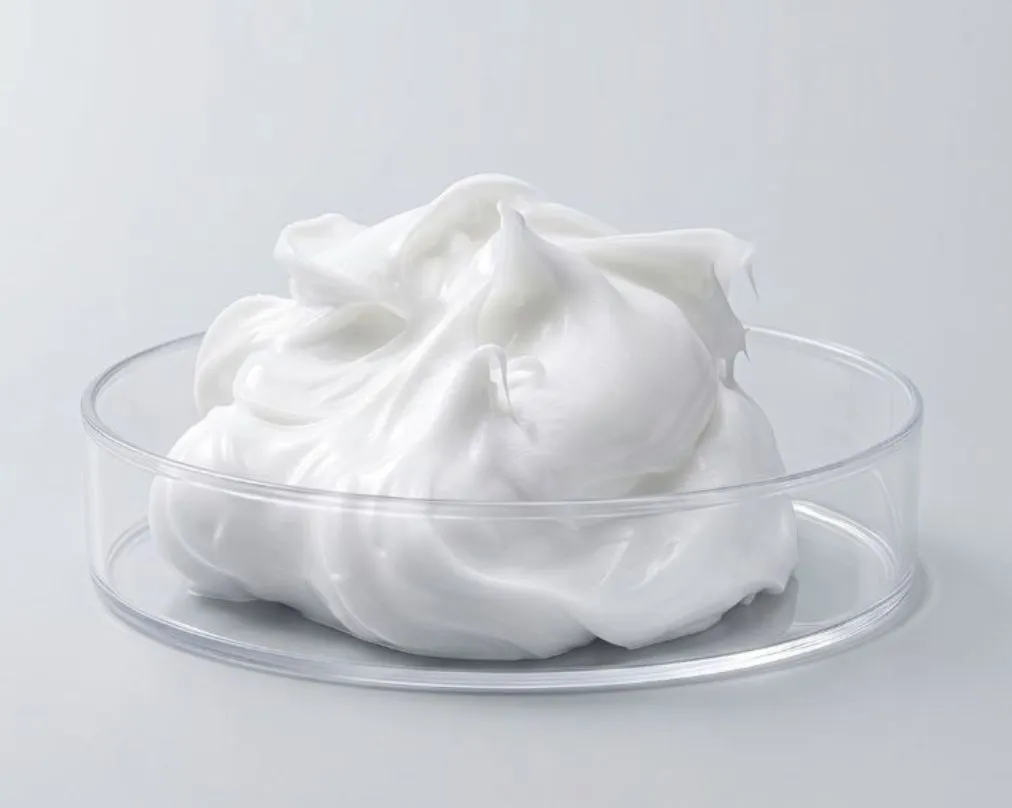
Food Grade PFPE Grease
For extreme demanding food, pharma or high-temperature equipment requiring PFPE chemistry.
- PFPE / PTFE-based option
- Extreme wide temperature range
- Chemical resistance
- Used when application justifies cost
Typical Food Grade Grease Parameters
This table provides typical selection guidance. Exact values, base oils, and approvals must be confirmed by the final TDS for your specific formula before publishing or purchasing.
| Property | Typical Options | Why It Matters for B2B Buyers |
|---|---|---|
| Appearance | White, translucent, beige or clear | Clean appearance is important for food equipment and retail repair kits. |
| NLGI Grade | 0, 1, 1.5, 2 | Affects pumpability, staying power and manual assembly feel. |
| Base Oil | Silicone, PAO, white mineral oil, synthetic, PFPE | Determines temperature range, rubber compatibility and cost. |
| Thickener | Silica, PTFE, calcium sulfonate, aluminum complex | Affects water resistance, mechanical stability and load capacity. |
| Temp Range | Depends on formula (Confirm by TDS) | Needed for coffee machines, ovens, packaging lines and cold rooms. |
| Water Resistance | Standard / Enhanced washdown | Important for beverage, dairy and meat processing equipment. |
| Compatibility | Rubber, plastic, metal (Testing available) | Helps avoid seal swelling, softening or sticking. |
| Packaging | Sachet, tube, syringe, jar, cartridge, drum | Matches service kit, retail, MRO and factory maintenance channels. |
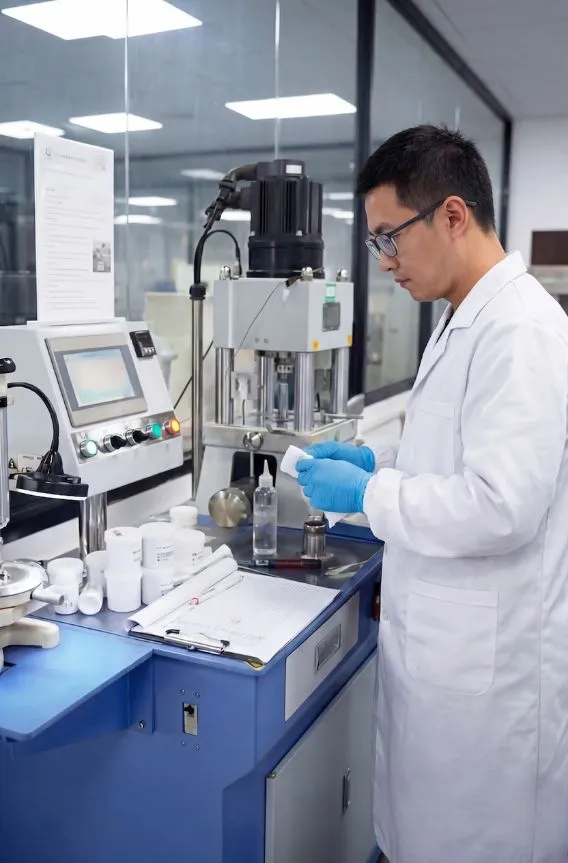
Need Custom Formulation?
Our engineers with 15 years of industry experience can help you match the exact parameters for your specific equipment.
Where Morelic Food Grade Grease Is Used
Tailored lubrication solutions for specific food processing and packaging environments.
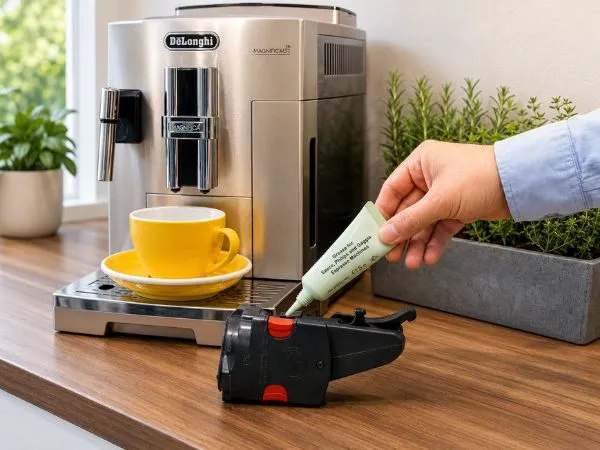
Coffee Machines
Focus: O-rings, brew group seals, valves, plastic/rubber compatibility.
Suggested: Food Grade Silicone Grease
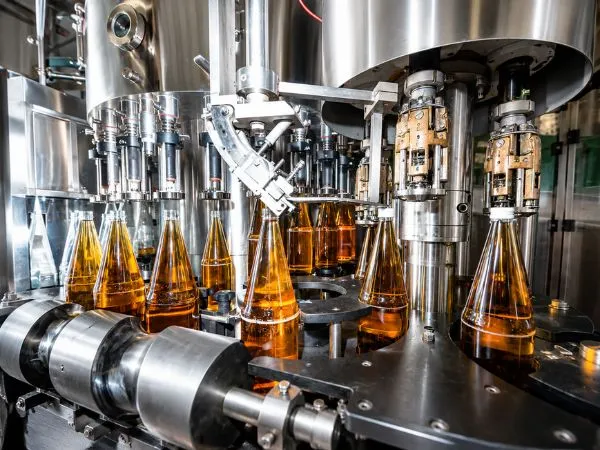
Beverage & Winemaking
Focus: Washdown resistance, valves, filling heads, seals.
Suggested: Silicone / PTFE Grease
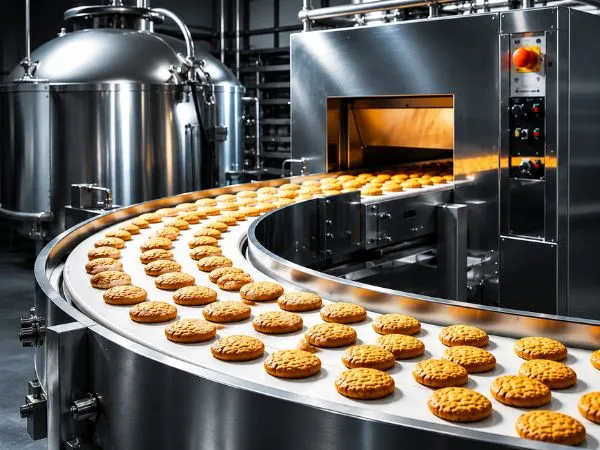
Bakery Equipment
Focus: Sliding rails in ovens request heat resistance, bearing stability, oil bleed control.
Suggested: Food Grade PFPE Grease
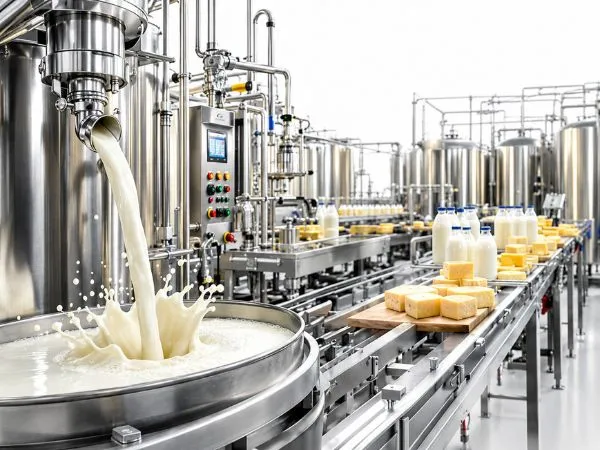
Dairy Processing
Focus: Water, steam, cleaning agents, sanitary maintenance.
Suggested: Water-resistant Food Grade Grease
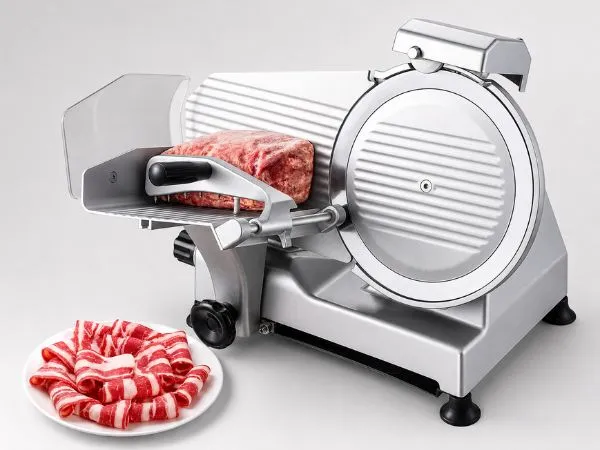
Meat & Poultry
Focus: Corrosion resistance, washdown, slicers, bearings.
Suggested: NSF H1 Bearing Grease
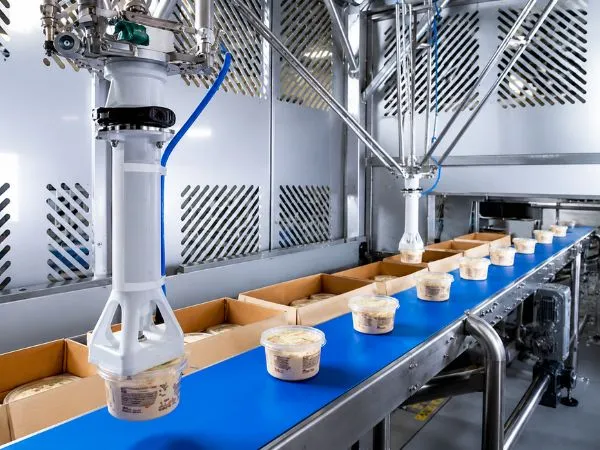
Packaging Machinery
Focus: Guide rails, slides, rollers, light-load bearings.
Suggested: PTFE Food Grade Grease
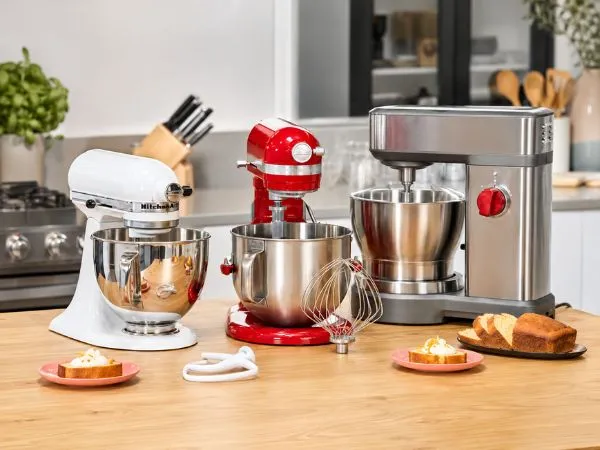
Ice cream maker & mixer
Focus: NSF H1 compliance, low-temp stability, washout protection.
Suggested: Food-Grade Silicone / PTFE Grease
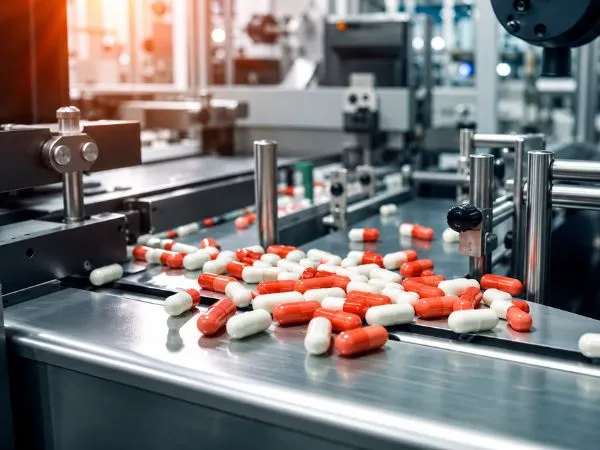
Pharma & Cosmetic
Focus: Clean lubrication, documentation, material compatibility.
Suggested: Silicone / PFPE Grease
How to Choose the Right Food Grade Grease
Follow these 6 steps to ensure compliance and performance for your B2B project.
Define Zone
Food zone, near-food zone, or non-food-contact equipment area.
Confirm Certs
NSF H1, ISO 21469, RoHS, REACH, MSDS, TDS requirements.
Check Conditions
Temperature, load, speed, water washdown, steam, cleaning chemicals.
Check Material
Rubber, EPDM, silicone rubber, plastics, metals, O-rings, gaskets.
Choose Grease
Silicone, PTFE, bearing, high-temp or PFPE grease base.
Choose Pack
Sachet, tube, syringe, jar, 14 oz cartridge, kit or 170kg drum.
Food Grade Grease vs Regular Industrial Grease
| Comparison Item | Food Grade Grease | Regular Grease |
|---|---|---|
| Typical Use | Food, beverage, pharma, packaging | General industrial machinery |
| Food Contact Risk | Designed for controlled incidental contact (NSF H1) | Not intended for food-related areas |
| Documentation | MSDS, TDS, NSF H1 support docs | Standard industrial docs |
| Color / Odor | Clean appearance, neutral odor preferred | Varies (often dark/strong odor) |
| Buyer Concern | Compliance + performance + contamination control | Mechanical performance and cost |
For B2B buyers, the key question is not only "does it lubricate?" but also "can it support the documentation and risk-control requirements of food-related equipment?"
Food Grade Grease or Food Grade Oil?
Choose Grease When:
- The lubricant needs to stay in place.
- Bearings, O-rings, seals or valves need boundary lubrication.
- Washdown resistance is strictly required.
- A grease gun or small service tube is used for maintenance.
Choose Oil When:
- Chains, gearboxes or circulating systems need flow.
- Continuous lubrication is required.
- Low-viscosity movement or heat dissipation is needed.
- The OEM equipment design specifically specifies oil.
How to Apply Food Grade Grease Correctly
- Clean old grease and contamination before application.
- Confirm the grease type and food-grade requirement.
- Apply the minimum amount needed to achieve the lubrication effect.
- Avoid mixing incompatible greases (e.g., silicone with PAO).
- Check seal, plastic and rubber compatibility before mass use.
- Record batch number and document the maintenance point when needed.
Warning
Do not apply food grade grease directly onto food-contact cutting surfaces unless the product is specifically approved for that use. NSF H1 is for incidental food contact, not intentional food contact.

OEM & ODM for Your Food Grade Grease Projects
Morelic is especially suitable for buyers who need custom food grade grease formula and OEM small package. We handle the filling so you can focus on sales and maintenance.
Formula Customization
Parameter Tuning:
Custom adjustments for Base Oil (Silicone, PAO, white mineral oil, synthetic oil or PFPE), Viscosity, NLGI Grade, and specific performance additives.
Brand Equivalents:
Expert formulation of cost-effective, high-performance alternatives to branded grease.
Specialized Environments:
Engineering for extreme temperatures, heavy loads or high humidity, or other special requested operating conditions.
Packaging & Branding
Flexible Sizes:
1-10g tear pouches, 3-120g squeeze tubes, jars, bottles, pails, and drums.
Private Labeling:
Custom logo pre-printing and private label design for your brand identity.
Retail Ready:
Retail-friendly packaging solutions for hardware, automotive, and plumbing distributors.
How Morelic Controls Food Grade Grease Projects
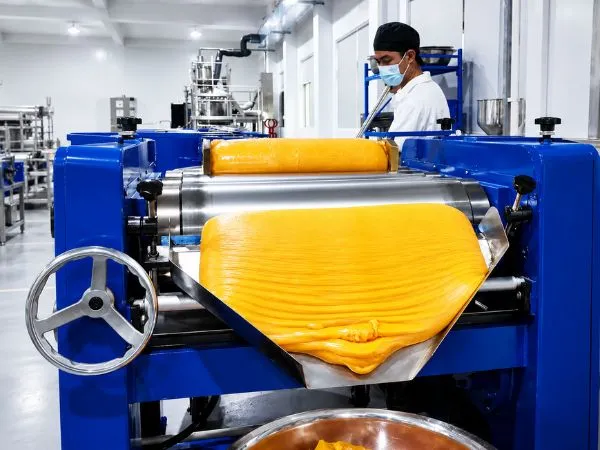
Formula & Pilot
Confirming base oil, thickener, and running pilot samples for compatibility checks.
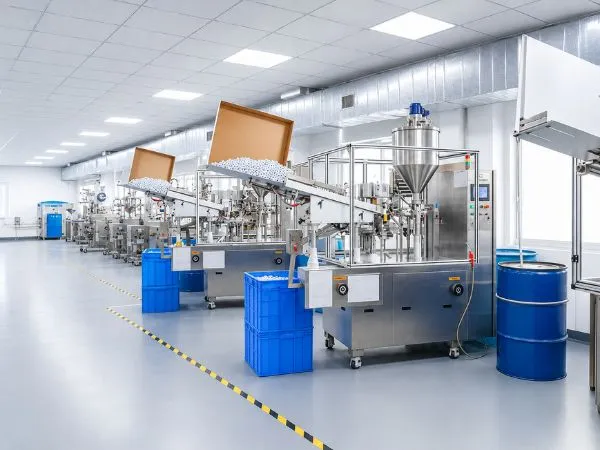
Filling & Sealing
Automated or semi-automated small-pack filling lines ensuring accurate weight and clean seals.
Batch QC Lab
Each batch can be checked for appearance, consistency, filling weight, and packaging seal.
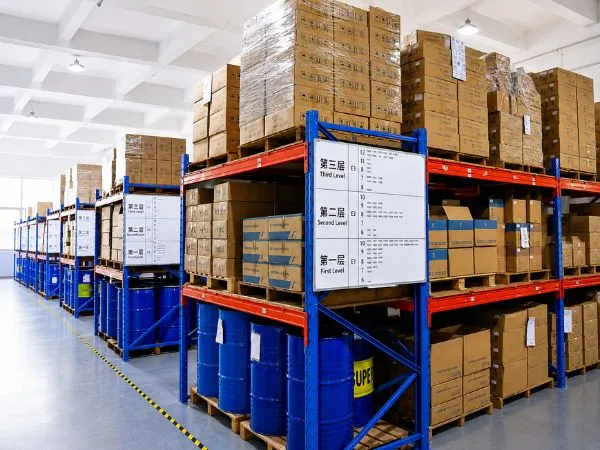
Export Packing
Document preparation, carton labeling, and robust palletizing for global B2B shipping.

Documents Available for Importers and OEM Buyers
Food-grade lubricant buyers usually need both product performance data and compliance documents. Morelic can prepare documents according to the selected formula, packaging and destination market.

When Food Grade Grease May Not Be the Right Choice
Not for direct food ingredient use
NSF H1 grease is not an edible ingredient.
Not for every food-contact surface
Do not apply grease to cutting surfaces or belts unless specifically approved.
Not for oxygen service unless validated
Use PFPE-based options only when oxygen compatibility is specifically confirmed.
Not for unknown rubber without testing
Always check compatibility with specific seals, O-rings and plastics.
Do not mix with unknown old grease
Clean the lubrication point completely before changing grease type.
Not beyond the TDS temperature range
Use high-temperature or PFPE options only after confirming real working temperature.
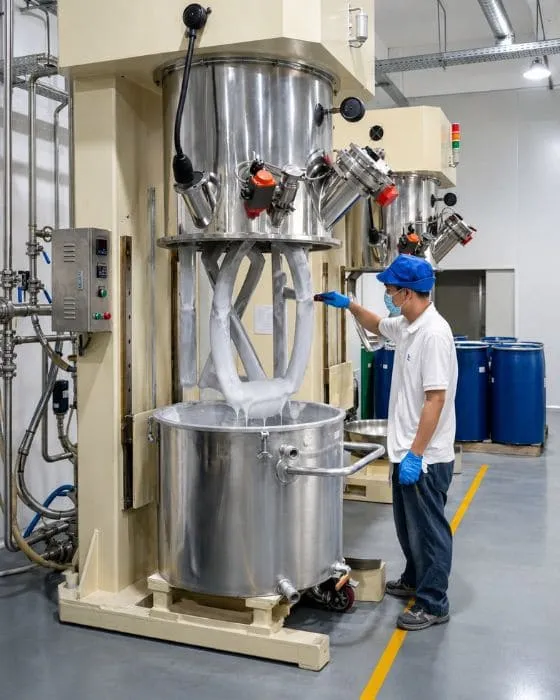
Why Partner With Morelic
15+ Years Industry Expertise
Team of 8+ Senior Engineers, ensures you get the right product for your special application, reducing equipment downtime and increasing efficiency.
Stable Quality & Cost-Effective
Used imported base oils, quality is comparable to branded grease with better cost efficiency.
One-Stop Grease & Adhesive Custom Solutions
We offer grease formula OEM, flexible packaging solutions and branding options to meet your specific business needs.
Flexible MOQ & Fast Delivery
Stock of dozens of basic greases and 10+ High-speed filling machines ensure fast delivery.
Regulatory Compliance
Our products meet international standards, including RoHS, REACH, and some formula are food safe.
Food Grade Grease FAQ
Technical and commercial answers for industrial applications and B2B buyers.
What is food grade grease used for?
What does NSF H1 mean for food grade grease?
Can H1 food grade grease touch food directly?
What is the difference between H1 and 3H lubricants?
How do I choose food grade grease for bearings or seals?
Is food grade grease waterproof?
Can food grade grease be used on rubber or plastic parts?
Should old grease be removed before applying food grade grease?
What documents should a supplier provide?
Can Morelic supply private label food grade grease?

Need a Food Grade Grease for Your Equipment or Private Label Project?
Send us your application, material, temperature range, certification requirement and target packaging. Morelic will help you choose a suitable food grade grease formula and packaging format for sample testing.
Or contact us directly: [email protected] | +86 195 1520 4360