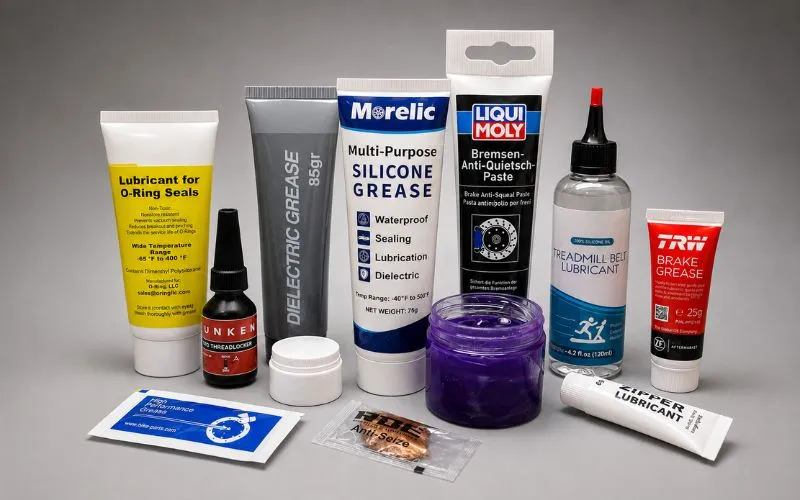
Leading Manufacturer of Anti-Seize Lubricant
Engineered to prevent galling, corrosion, and seizing under extreme temperatures and extreme pressures.
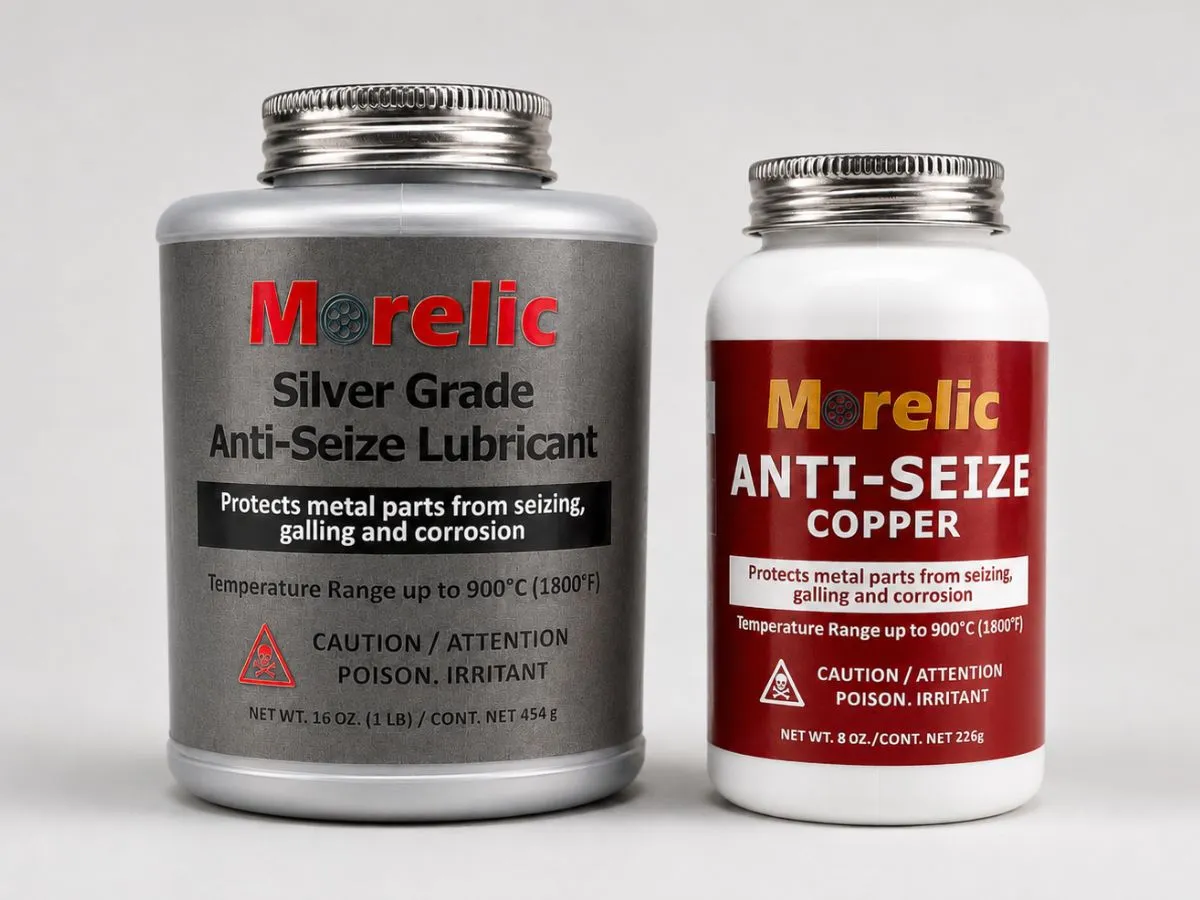
Note: Anti seize compound is an assembly paste, not a general-purpose bearing grease. It should not be used in high-speed bearings, gearboxes or friction surfaces unless the equipment manufacturer specifies it.
What Is Anti-Seize Lubricant?
Anti-seize lubricant is a paste-like assembly compound applied to threaded fasteners and metal contact surfaces, its core function is NOT "lubrication to reduce friction", but rather to create a physical barrier that to help prevent galling, seizing, rust and corrosion.
Unlike ordinary grease, anti-seize grease usually contains solid lubricating particles such as copper, nickel, graphite, aluminum, ceramic or other fillers that remain protective under high pressure and high temperature conditions.
Prevents Galling
Helps reduce metal-to-metal welding or thread damage during assembly and disassembly.
Supports Easier Disassembly
Helps bolts, nuts, plugs and fittings come apart more easily after heat, moisture or corrosion exposure.
Works Under High Temp
Suitable formula options can protect fasteners where ordinary grease may burn off or harden.
Protects Against Rust
Useful for threaded parts exposed to moisture, salt, chemicals or outdoor conditions.
Why Do Fasteners Require Anti-Seize?
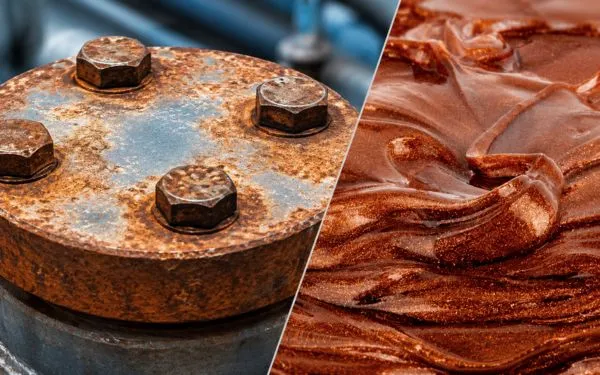
During equipment maintenance and teardowns, while most connections disassemble smoothly, inevitably some bolts jam, nuts refuse to turn, bearings gall onto shafts, or gaskets weld to flanges. Repairing these seized components is incredibly labor-intensive, time-consuming, and often results in destroyed parts that must be replaced, driving up operational costs.
Fully tightened threaded fasteners endure immense loads. While metal surfaces appear smooth to the naked eye, microscopically they consist of peaks and valleys. Under tightening torque, these rough asperities contact, deform, and essentially "cold weld" together. Over time, exposure to high temperatures, vibration, impact, and chemical attack further fuses the threads into a permanent bond.
Anti-Seize Lubricant Product Range
Engineered formulations utilizing specific solid lubricants to match your exact environmental demands.
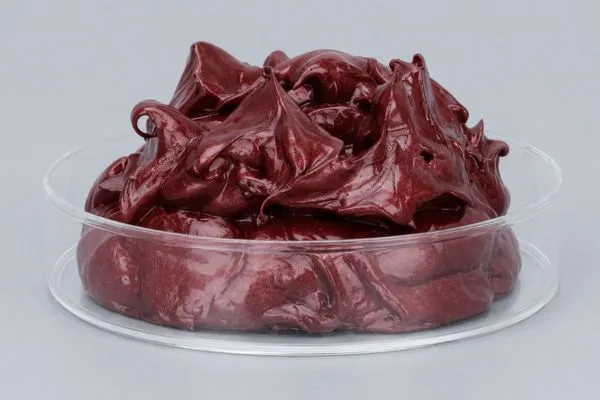
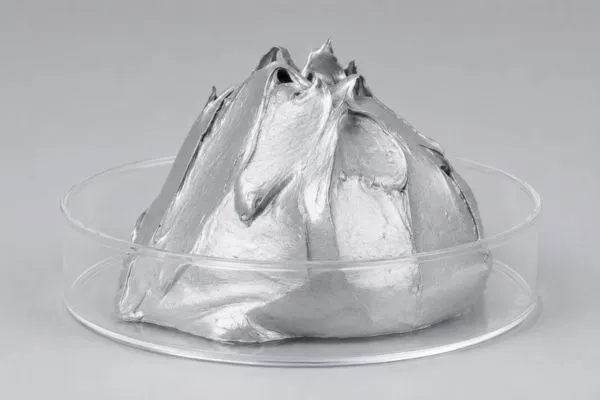
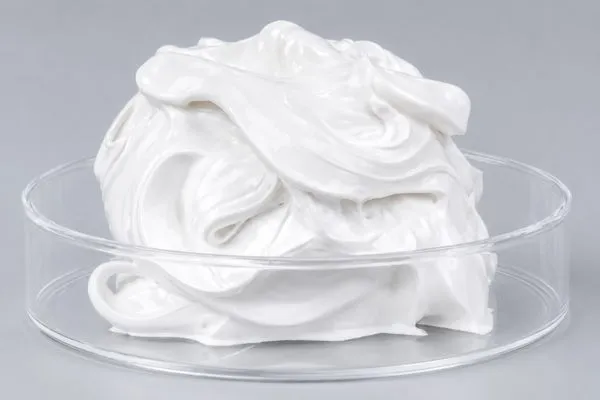
| Type | Main Ingredients | Characteristics & Max Temp | Primary Applications |
|---|---|---|---|
| Copper Anti-Seize | Micro-fine Copper Flakes, Graphite, Synthetic Carrier | Excellent electrical conductivity. Protects up to 982°C (1800°F). | Spark plugs, exhaust manifold bolts, general purpose metal-to-metal assembly. |
| Aluminum-Based | Aluminum Paste, Graphite, Extreme Pressure Additives | High resistance to galvanic corrosion. Protects up to 870°C (1600°F). | Aluminum alloys, dissimilar metals, pipe threads, machinery assembly. |
| Nickel Anti-Seize | Pure Nickel Powder, Graphite, Premium Base Oil | Inert to most chemicals, acid resistant. Protects up to 1426°C (2600°F). | Stainless steel, titanium, chemical plants, refineries, extreme high temp. |
| Metal-Free / Ceramic | Advanced Ceramic Solids, Synthetic Oils | Non-conductive, prevents galvanic corrosion. Protects up to 1500°C (2732°F). | ABS braking systems, sensors, marine hardware, environments where heavy metals are prohibited. |
Selection Conclusion
Choose copper anti-seize for general high-temperature automotive and repair applications. Choose nickel anti-seize when copper contamination must be avoided or when stainless steel, titanium or high-temperature industrial fasteners are involved. Choose metal-free or ceramic anti-seize when both copper and nickel are not preferred or when marine, humidity or contamination concerns matter.
Rigorous Performance Testing
Every batch undergoes strict laboratory evaluation to guarantee reliability under extreme conditions.
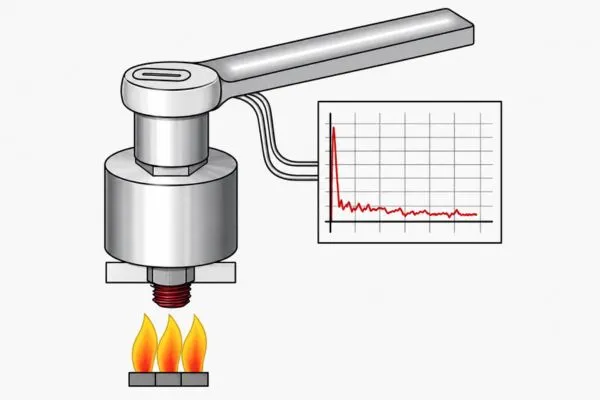
High-Temperature Torque Test
The anti-seize compound is applied to standardized threaded fasteners and placed in a high-temperature environmental chamber ranging from 200°C to 650°C.
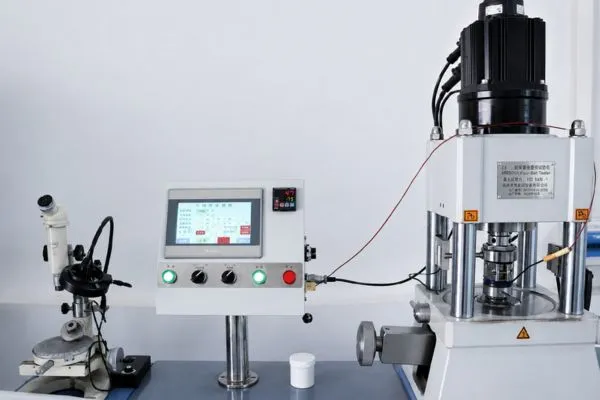
Extreme Pressure (EP) Test
Utilizing the Four-Ball Wear Test methodology, the grease is loaded into a cup. A rotating steel ball presses against three stationary balls under specific loads and RPMs.
Anti-Seize vs Grease vs Threadlocker
Avoid misapplication. Understand the difference between assembly pastes, moving-part lubricants, and locking adhesives.
Anti-Seize Paste
- Main Function: Prevents galling, seizing, corrosion and difficult disassembly.
- Typical Use: Static or slow-moving threaded fasteners and metal assemblies.
- Curing: Non-curing paste.
- Not For: High-speed bearings, gearboxes or brake friction surfaces.
Grease
- Main Function: Reduces friction and wear during movement.
- Typical Use: Bearings, slides, rubber/plastic/metal contact points.
- Curing: Non-curing lubricant.
- Not For: Severe anti-seize requirements on hot threaded parts.
Threadlocker
- Main Function: Locks threaded fasteners and helps prevent loosening.
- Typical Use: Bolts, screws and threaded joints needing vibration resistance.
- Curing: Curing adhesive.
- Not For: Applications requiring easy disassembly without tools unless removable grade is selected.
Core Industry Applications
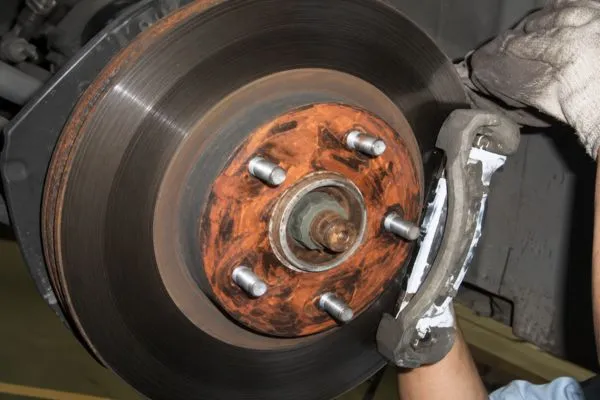
Automotive
Essential for wheel hub bolts, lug nuts, exhaust system bolts, and oxygen sensors subjected to constant heat cycling.
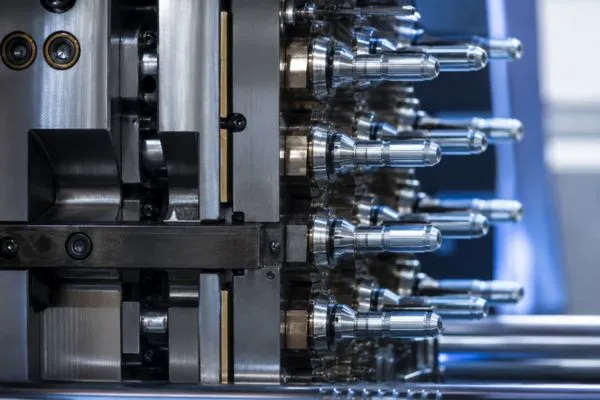
Assembly & Mfg
Critical for stainless steel threads (highly prone to galling), injection mold screws, and high-pressure clamping mechanisms.

Marine & Offshore
Protects offshore platform bolts, rigging, and pipe connections against harsh saltwater corrosion and seizing.
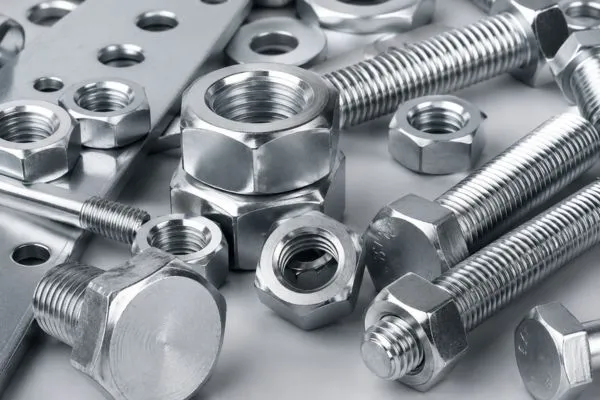
Industrial & Petrochem
Used on high-temp/high-pressure flanges, valves, heavy machinery fasteners, and turbine casing bolts.
How to Choose the Right Anti-Seize Grease?
Engineering logic for B2B buyers to select the correct formula direction.
Operating Temperature
Confirm continuous and peak temperature. Exhaust bolts, manifolds, turbines and industrial fasteners need different temperature ranges.
Metal Compatibility
Check whether the fastener is steel, stainless steel, aluminum, titanium, nickel alloy or mixed metals. This affects copper, nickel or metal-free selection.
Copper Restrictions
Choose nickel or metal-free anti-seize when copper contamination is not allowed or where copper may create material or process concerns.
Corrosion Environment
Salt, humidity, chemicals, marine exposure and washdown conditions may require stronger corrosion protection or metal-free formulations.
Torque & Clamp Load
Anti-seize changes thread friction. Torque values may need to be reviewed according to the fastener, material and engineering specification.
Packaging & Application
Choose tube, brush-top can, sachet, syringe, cartridge or bulk packaging according to retail, repair kit, factory assembly or MRO needs.
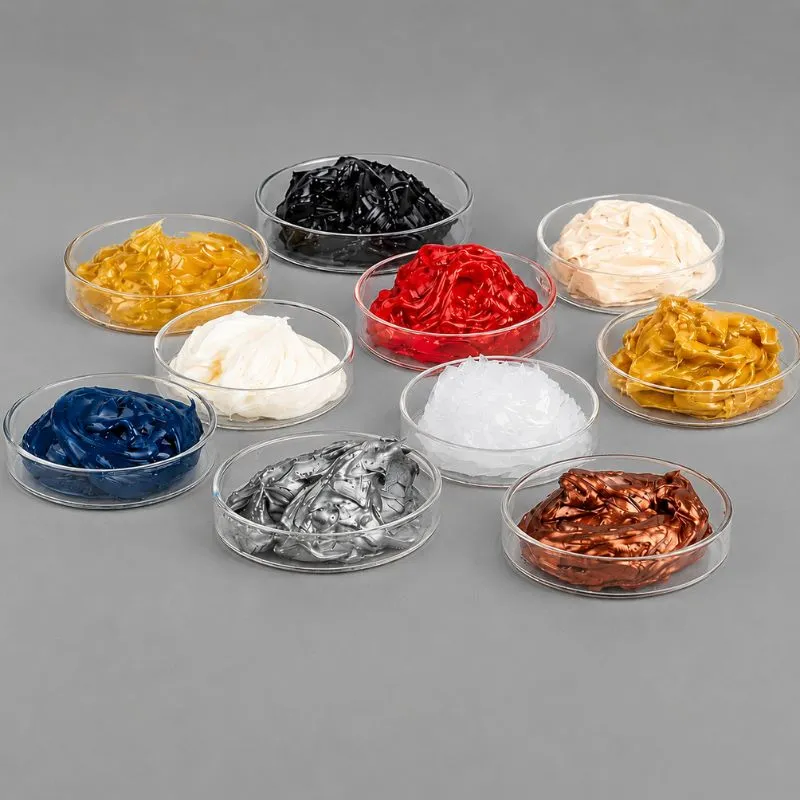
Advanced Grease
Customization
Engineered to meet your exact specifications. From extreme temperature resistance to precise NLGI grades, our 15 years of R&D expertise ensures high-performance lubricants tailored for your demanding applications.
- Custom Base Oils & Thickeners
- Viscosity & NLGI Grade Tuning
- Brand Alternative Development
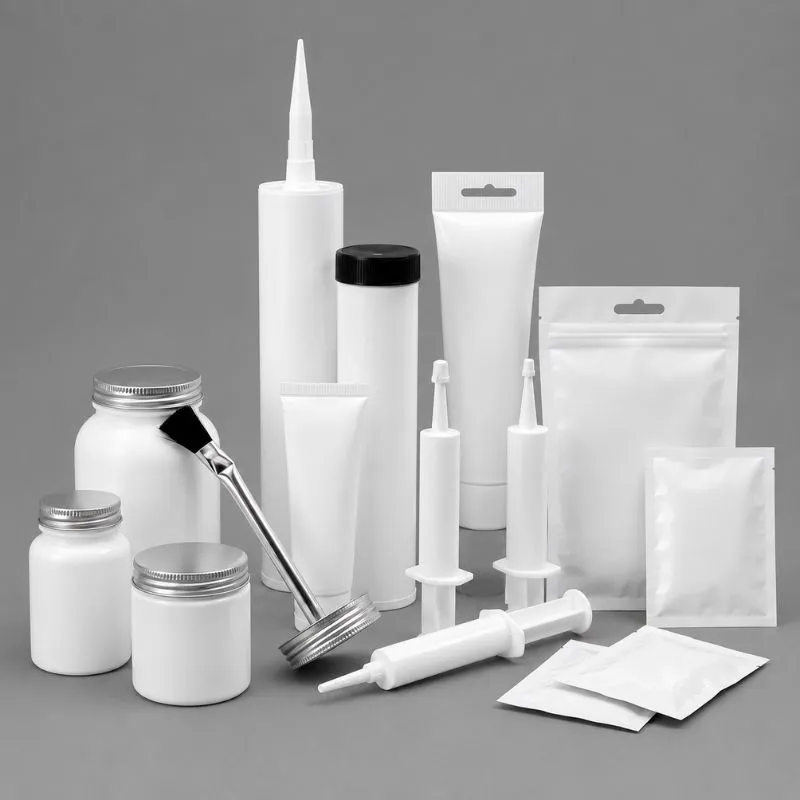
Flexible Packaging
Solutions
Comprehensive private label and packaging services designed for wholesale success. We deliver market-ready products in sachets, tubes, tubs, bottles, cartridges, or bulk drums, fully compliant with global standards.
- Small-Pack to Bulk Industrial Drums
- Private Label & Custom Branding
- Global Compliance Support
How to Apply Anti-Seize Lubricant
Standard application procedure for threaded fasteners.
Clean the Surface
Remove dirt, old grease, oil, rust or contamination from the thread or metal contact area before application.
Apply a Thin Film
Apply anti-seize to the male thread or contact surface. For threaded fasteners, work the paste into the thread roots.
Assemble the Parts
Tighten according to the equipment instruction. Review torque values if the specification is based on dry threads.
Wipe Away Excess
Remove excess paste to avoid contamination, mess or transfer to nearby surfaces.
Warning:
Do not overapply. Do not use anti-seize on brake pad friction material, rotor friction surfaces, high-speed bearings or gearboxes. Always follow OEM instructions for critical fasteners.
When Not to Use Anti-Seize Lubricant
Avoid common application errors to ensure equipment safety and performance.
Not for High-Speed Bearings
Anti-seize is not a bearing grease and should not be used in high-speed ball bearings, roller bearings or gearboxes.
Not for Brake Friction Surfaces
Do not apply anti-seize to brake pad friction material or rotor friction surfaces.
Not Always for Lug Nuts
Some vehicle manufacturers do not recommend anti-seize on wheel studs or lug nuts. Always follow OEM instructions.
Do Not Use Copper If Prohibited
Use nickel or metal-free options when copper contamination or galvanic concerns exist.
Check Torque Values
Anti-seize lowers friction and can change clamp load. Critical fasteners should follow engineering torque guidance.
Do Not Mix Formulas
Avoid cross-contamination between copper, nickel, metal-free and food-grade anti-seize products.

Why Partner with Morelic?
As a direct manufacturer, we provide unparalleled control over quality, formulation, and delivery times. We empower global brands with robust lubrication solutions tailored to their exact specifications.
15 Years Experience
Servicing 30+ industries with 5000+ successful client cases.
Custom Formulation
Tailored grease formulas & small-pack OEM/ODM capabilities.
Global Compliance
Meeting international standards by using imported premium raw PFPE oil.
Rapid Delivery
Advanced testing & multiple high-speed filling machines ensure fast turnaround.
Anti-Seize Lubricant Questions Buyers Often Ask
Technical answers for formulation, application and private label projects.
What is anti-seize lubricant?
Is anti-seize the same as grease?
What is copper anti-seize used for?
When should I use nickel anti-seize?
What is metal-free anti-seize?
Can anti-seize be used on brake parts?
Does anti-seize affect torque?
Can Morelic develop a Loctite or Permatex alternative anti-seize?
Start Your Anti-Seize Lubricant Project in 3 Steps
Send Details
Material, temp, copper restriction & packaging.
Confirm Formula
We recommend Cu, Ni, metal-free or FG options.
Test Samples
Test for application feel and packaging review.
Need Anti-Seize Lubricant for Your Brand or Maintenance Kit?
Send us your application, fastener material, working temperature, copper restriction, target packaging and private-label requirements. Morelic will help you confirm a suitable anti-seize lubricant formula and prepare samples for testing.