Products
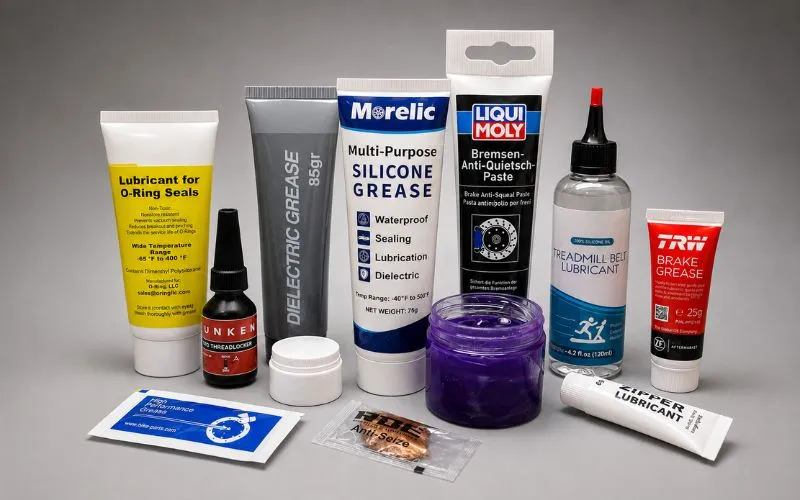
Greases
- Silicone Grease
- Food Grade Grease
- Brake Grease
- O-Ring Grease
- Dielectric Grease
- Anti-Seize Lubricant
- Valve Grease
- Assembly Grease
- Gear Grease
- High Temp Grease
- PFPE Grease
- Bearing Grease
- Electrical Contact Grease
- PTFE Grease
- Damping Grease
- Multi-Purpose Grease
- Rubber Grease
- Conductive Grease
- Moly Grease
Oils & Adhesives
Specialty Products

Silicone Oil Manufacturer for Your Solutions
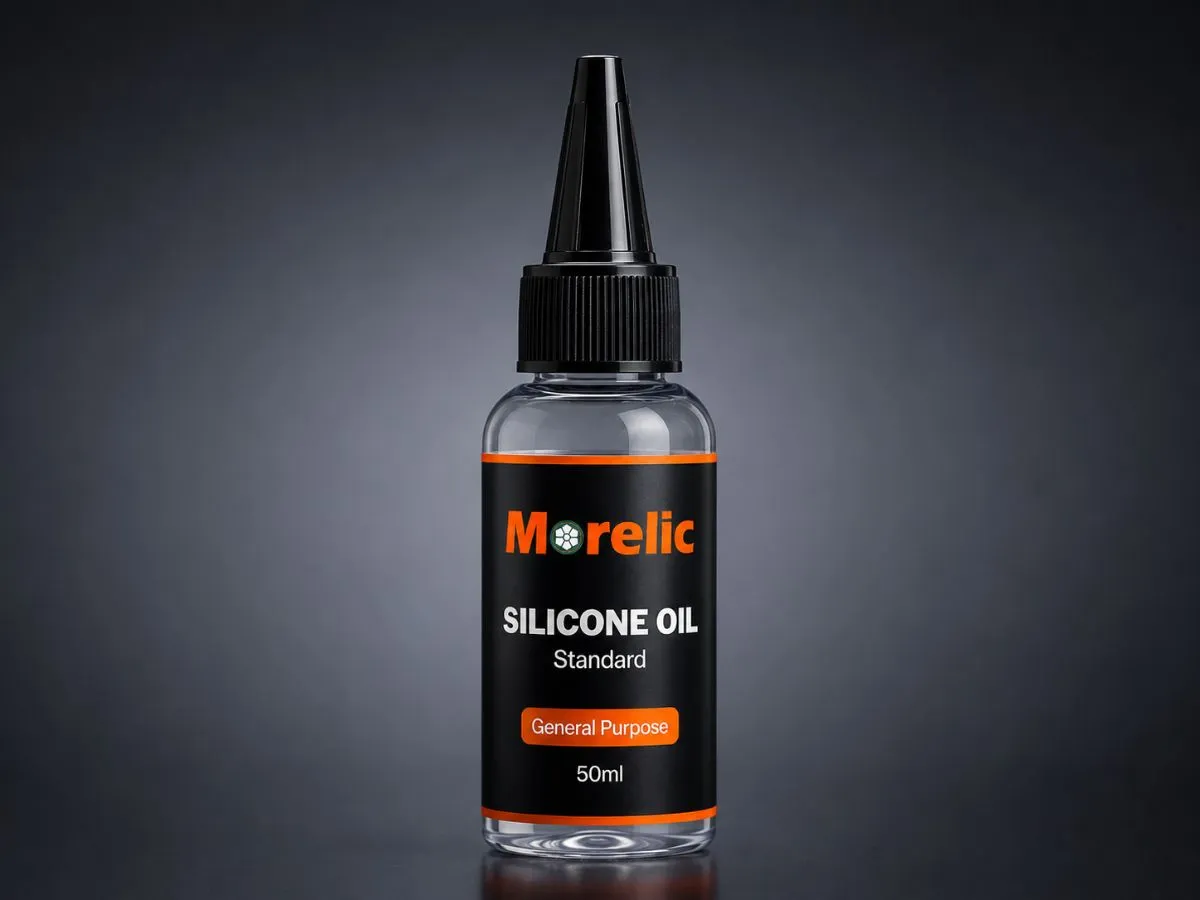
Morelic supplies silicone oil and PDMS silicone fluid for treadmill lubricant, O-rings, rubber and plastic parts, damping, mold release, appliance maintenance and private-label lubricant projects.
What Is Silicone Oil?
Silicone oil is a clear, synthetic silicone fluid, commonly based on polydimethylsiloxane, also known as PDMS. It is selected for applications that require stable viscosity, low surface tension, water repellency, dielectric properties, thermal stability and compatibility with selected rubber, plastic and metal parts.
Temperature Stability
Wide Temp. ranges from -50° C to 200° C (some formulas span from -100° F up to 500° F) without breaking down.
Water-Resistant Film
It can form a clear lubricating film that helps repel moisture in selected applications.
Rubber & Plastic Safe
Silicone oil is often selected for selected rubber and plastic parts, but compatibility testing is still recommended.
Wide Viscosity Range
Silicone oil can be supplied in different cSt grades, from low-viscosity fluid to high-viscosity damping oil.
Key Properties of Silicone Oil
Silicone oil offers stable viscosity, excellent temperature resistance, low surface tension, electrical insulation, and reliable performance in lubrication, release, damping, and protection applications.

| Property | Typical Value / Performance | Application Benefit |
|---|---|---|
| Appearance | Colorless transparent liquid | Non-toxic, odorless, non-corrosive, and physiologically inert for clean and stable applications. |
| Operating Temperature | -50°C to 200°C | Excellent high and low temperature resistance with minimal viscosity change across a wide temperature range. |
| Surface Tension | 19.0–21.0 mN/m | Very low surface tension provides excellent spreading ability, release performance, and anti-sticking properties. |
| Flash Point | ≥300°C for high-viscosity grades | Improves thermal safety, reduces volatility, and lowers flammability risk under elevated temperatures. |
| Specific Heat Capacity | 1.38–1.55 J/(g·°C) | Supports good heat transfer behavior and stable thermal performance in selected applications. |
| Volume Expansion Coefficient | 0.0007–0.0009 cc/cc/°C | High volume expansion and compressibility make it suitable for selected damping and pressure-sensitive applications. |
| Volume Resistivity | 1.0 × 10¹⁴–10¹⁶ Ω·cm | Provides excellent electrical insulation performance for electrical and electronic applications. |
| Dielectric Constant | 2.6–2.8 at 100 Hz | Maintains stable dielectric performance under high frequency and high temperature conditions. |
| Shear Resistance | Very high | Strong anti-shear capability helps the oil resist deformation or degradation during long-term mechanical operation. |
| Compressibility | 6.0–8.0% at 200 MPa | Good compression resistance, commonly used in high-pressure damping, hydraulic, and cushioning applications. |
1. Appearance
2. Operating Temperature
3. Surface Tension
4. Flash Point
5. Specific Heat Capacity
6. Volume Expansion Coefficient
7. Volume Resistivity
8. Dielectric Constant
9. Shear Resistance
10. Compressibility
Note: Typical values may vary depending on silicone oil viscosity grade, formulation design, and application requirements. Morelic can support customized viscosity, packaging, and private-label silicone oil solutions for industrial, maintenance, and consumer product applications.
Choose Silicone Oil by cSt Viscosity
cSt (centistokes) determines how fast the fluid flows. Lower cSt means thinner fluid; higher cSt means thicker fluid. Select the right grade based on your application needs.
Low Viscosity
10–100 cStFlow Feel: Thin, fast-flowing fluid
Application: Spraying, light lubrication, surface treatment, mold release, low-drag applications.
Best when easy spreading and low resistance are required.
Medium Viscosity
100–500 cStFlow Feel: Balanced flow and film strength
Application: Rubber/plastic lubrication, O-rings, general maintenance, light damping, appliance parts.
Suitable for many general-purpose lubricant projects after testing.
Treadmill Lubricant
350–1000 cStFlow Feel: Controlled flow for bottle or applicator tube
Application: Treadmill belt and deck lubrication, elliptical slide rails, fitness equipment maintenance kits, RC cars, fork & suspension.
1000 cSt is a common option; 500 cSt and 350 cSt can be discussed for easier dispensing.
View Treadmill Lubricant Details →High Viscosity
1000–10000 cStFlow Feel: Thicker fluid with stronger film
Application: O-rings, damping, sealing assistance, thicker lubrication film, hobby and equipment use.
Good when a slower-flowing oil film is required.
Damping Silicone Oil
10000–100000+ cStFlow Feel: Very thick fluid
Application: Rotary dampers, shock absorbers, soft-close mechanisms, controlled motion devices.
Final viscosity should be verified by torque and damping tests.
Silicone Oil Applications by Industry
Find the right silicone fluid direction based on your manufacturing or maintenance project.

Art & Pour Painting
Typical cSt: 350 / 1000 / 12500 cSt
Extensively used in acrylic pouring to create dramatic, organic "cell" effects in paintings.
O-Rings & Rubber Parts
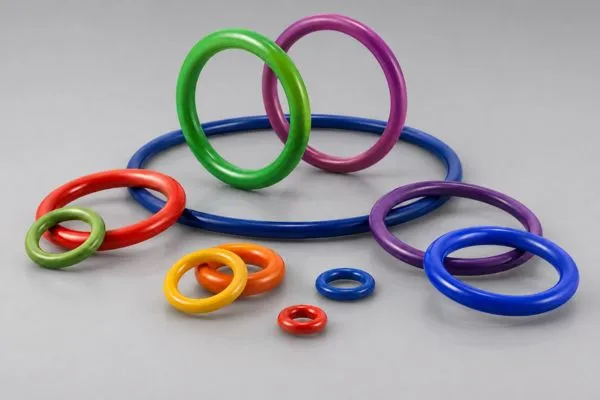
Typical cSt: 100–1000 cSt or custom
O-rings, gaskets, seals, rubber parts, plastic assemblies.
Compare Silicone Grease →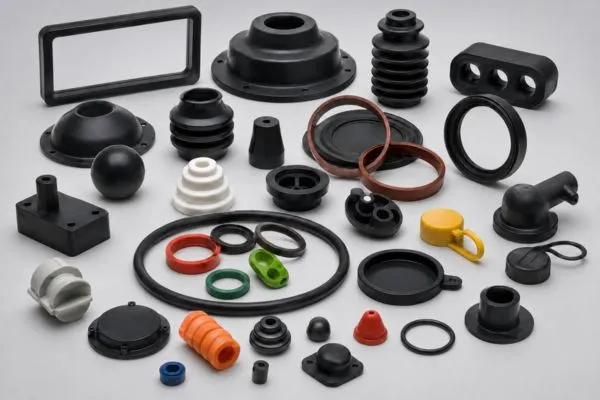
Plastic Parts & Appliances
Typical cSt: 100–5000 cSt
Low noise, smooth movement, plastic compatibility and clean lubrication.
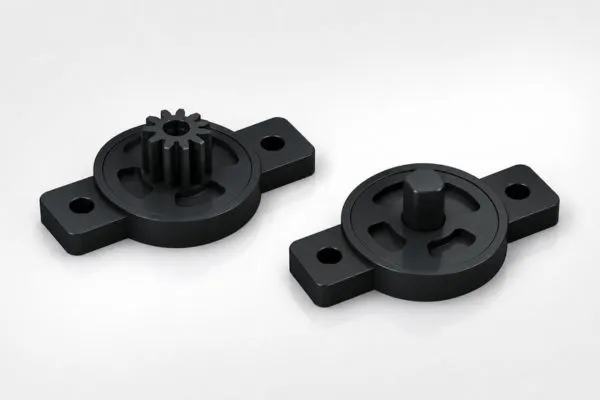
Damping & Soft-Close
Typical cSt: 10000–100000+ cSt
Rotary dampers, shock absorbers, soft-close devices, instruments.
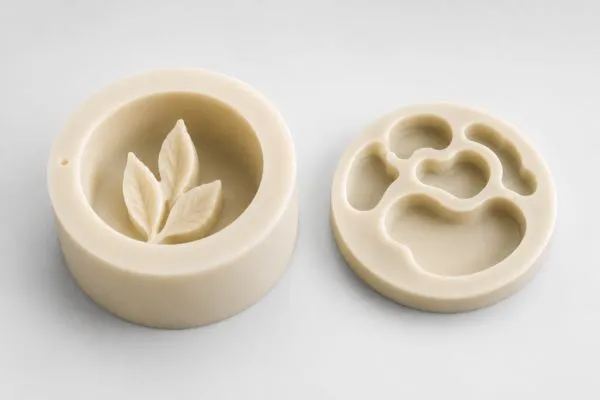
Mold Release
Typical cSt: 10–350 cSt
Mold release, surface treatment, plastic/rubber processing.

Fitness & Sports
Typical cSt: 350–1000 cSt
Treadmill, elliptical slide rails, RC, fork & suspension, small maintenance packs and service kits.

Electrical Insulators
Typical cSt: 100–1000 cSt
Dielectric properties, moisture protection and material compatibility for electrical components.
Compare Dielectric Grease →
Industrial & Lab
Typical cSt: Custom
Utilized as a heat-transfer medium for laboratory oil baths, hydraulic fluid, and a coolant in specialized equipment.
Silicone Oil vs Silicone Grease vs Mineral Oil
Understand the differences to choose the right lubricant format for your engineering or maintenance project.
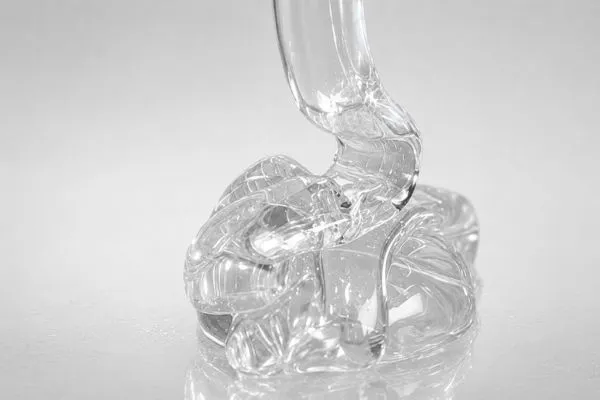
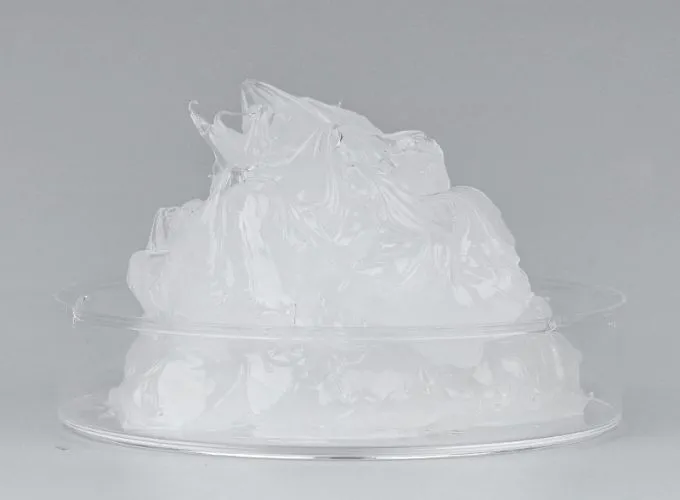

| Selection Point | Silicone Oil | Silicone Grease | Mineral Oil |
|---|---|---|---|
| Physical Form | Clear liquid fluid | Semi-solid grease | Liquid petroleum-based oil |
| Main Use | Flowing lubrication, damping, treadmill belt/deck, surface treatment, O-rings | Sealing, staying lubrication, O-rings, valves, waterproofing, rubber/plastic parts | General lubrication where silicone chemistry is not required |
| Staying Power | Lower, flows and spreads | Higher, stays in place | Depends on viscosity and additive package |
| Temperature Stability | Good, depending on grade | Good, depending on thickener and formula | Varies by formulation |
| Rubber / Plastic Use | Often selected, but compatibility testing is required | Often selected for seals and O-rings | May not be suitable for all rubber/plastic materials |
| Best For | When flow, spreading, damping or controlled viscosity is needed | When staying power, sealing or water resistance is needed | When cost and general lubrication matter more than silicone properties |
Selection Conclusion: Choose silicone oil when the application needs flow, spreading, damping or a specific cSt viscosity. Choose silicone grease when the lubricant needs to stay in place, seal a contact area or resist washout. Use mineral oil only when the material and application do not require silicone chemistry.
How to Choose the Right Silicone Oil
Review these engineering factors before requesting samples for bulk production or private label packing.
Viscosity in cSt
cSt viscosity controls flow rate, film thickness, damping force and dispensing behavior. Always confirm whether the application needs fast flow, controlled flow or high damping resistance.
Contact Materials
Check whether the oil contacts rubber, plastic, silicone rubber, metal, paint, fabric or coatings. Compatibility testing is recommended before bulk use.
Temperature Range
Silicone oil offers stable viscosity over a wide temperature range, but the final grade should match continuous and peak operating temperature.
Application Method
Dropper bottle, squeeze bottle, long applicator tube, syringe, spray-compatible pack, pail or drum packaging should match the end-use method.
Purity & Label Claims
Confirm whether the project needs 100% silicone oil, PDMS silicone fluid, silicone-based lubricant or a blended product.
Documents & Market
Check whether TDS, MSDS, RoHS, REACH, NSF H1-related support or other market documents are required for your destination.
OEM & ODM Solutions for Premium Silicone Oil Projects
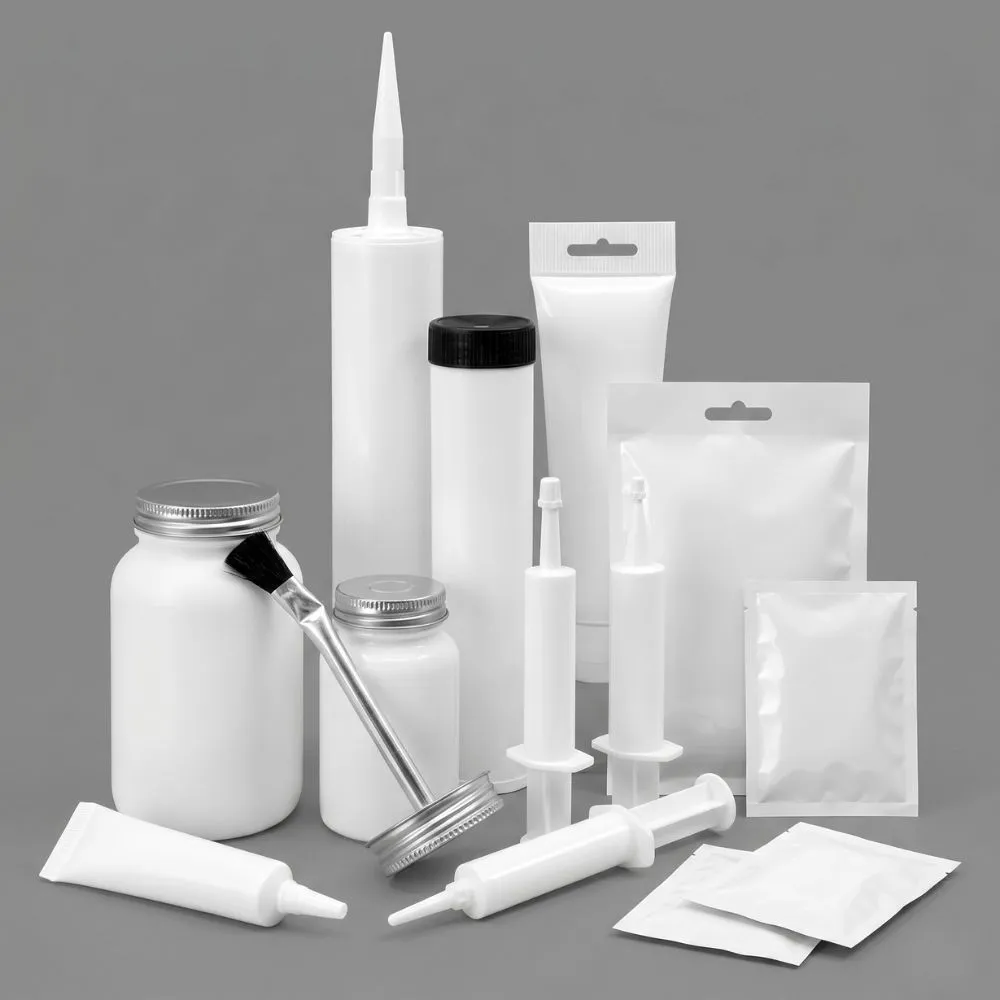
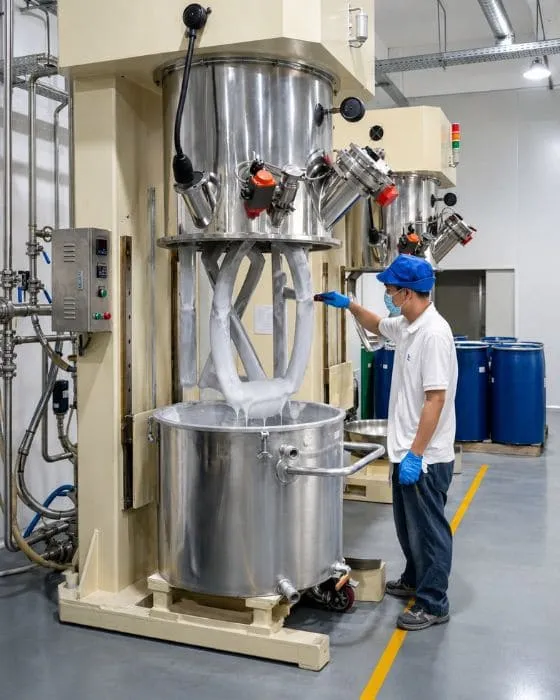
Morelic specializes in custom silicone oil formulations and OEM small packaging. We handle the precise blending and filling processes, empowering you to focus on market expansion and equipment maintenance.
Formula Customization
Custom cSt Viscosity:
50cSt, 100 cSt, 350 cSt, 500 cSt, 1000 cSt, 5000 cSt and higher viscosity options can be discussed according to application.
Brand Equivalents:
Expert formulation of cost-effective, high-performance alternatives to premium branded silicone oils and fluids.
Specialized Environments:
Engineering for extreme temperature fluctuations, high-stress lubrication, electrical insulation, or specialized operating conditions.
Packaging & Branding
Flexible Sizes:
1-10ml tear pouches, 3-120ml squeeze tubes, dropper bottles, jars, pails, and industrial drums.
Private Labeling:
Custom logo pre-printing and private label design for your brand identity.
Retail Ready:
Retail-friendly packaging solutions for global buyers.
When Silicone Oil May Not Be the Right Choice
To ensure project success, review these application constraints before making a final selection.
Not for Every Silicone Rubber Part
Silicone oil may swell or affect some silicone rubber materials. Always test on the actual material before bulk use.
Not a Substitute for Silicone Grease
If the lubricant must stay in place, seal an O-ring or resist washout, silicone grease may be a better choice.
Not for Every Treadmill
Some treadmills require wax-based or OEM-specific lubricant. Always check the treadmill manual before using silicone oil.
Avoid Over-Application
Too much silicone oil may migrate, attract dust, leak or contaminate nearby surfaces.
Not for High-Load Metal Bearings
Silicone oil is not always the right choice for high-load metal bearings or gears. Grease or specialty oil may be required.
Check Paint, Fabric & Coatings
Silicone oil can affect coating, paint, printing or fabric surfaces. Test before use in consumer products.
Why Choose Morelic
15+ Years Manufacturer
Proven expertise in formulating and packaging high-performance silicone grease and specialized industrial lubricants.
OEM / ODM Solution
End-to-end custom packaging, private labeling, and precise formula matching tailored to your specific application.
Cost-Effective Alternative To Leading Brands
Achieve the same or better performance as premium brand lubricants while significantly optimizing your procurement budget.
Global Compliance
Complete export documentation including Reach, RoHS, MSDS and TDS, ensuring seamless customs clearance and worldwide market entry.
Flexible MOQ & Fast Delivery
Agile production lines designed to support both pilot testing batches and large-scale repeat supply with stable lead times.




Silicone Oil Questions Buyers Often Ask
Technical answers for B2B procurement and product development.
What is silicone oil?
What is silicone oil used for?
What does cSt mean in silicone oil?
What viscosity silicone oil should I choose?
Is silicone oil the same as silicone grease?
Can silicone oil be used on rubber and plastic?
Can silicone oil be used as treadmill lubricant?
Is silicone oil food grade?
What is shock oil and what viscosity is best for RC cars?
Can I use regular silicone oil as shock oil?
Can Morelic make private-label silicone oil?
Can Morelic match a target viscosity or reference product?
Start Your Silicone Oil Project in 3 Steps
Send Application & cSt Requirement
Tell us the application, target viscosity, contact material, temperature, packaging size and market requirement.
Confirm Viscosity & Packaging
Morelic recommends silicone oil viscosity, bottle type, cap, nozzle, applicator tube, label and carton options.
Test Samples Before Bulk Order
Samples can be prepared for flow test, compatibility test, leakage check, label review and packaging confirmation.
Need Silicone Oil for Your Product Line or OEM Project?
Send us your target cSt viscosity, application, contact material, bottle size and private-label packaging needs. Morelic will help you confirm a suitable silicone oil option and prepare samples for testing.
+86 195 1520 4360