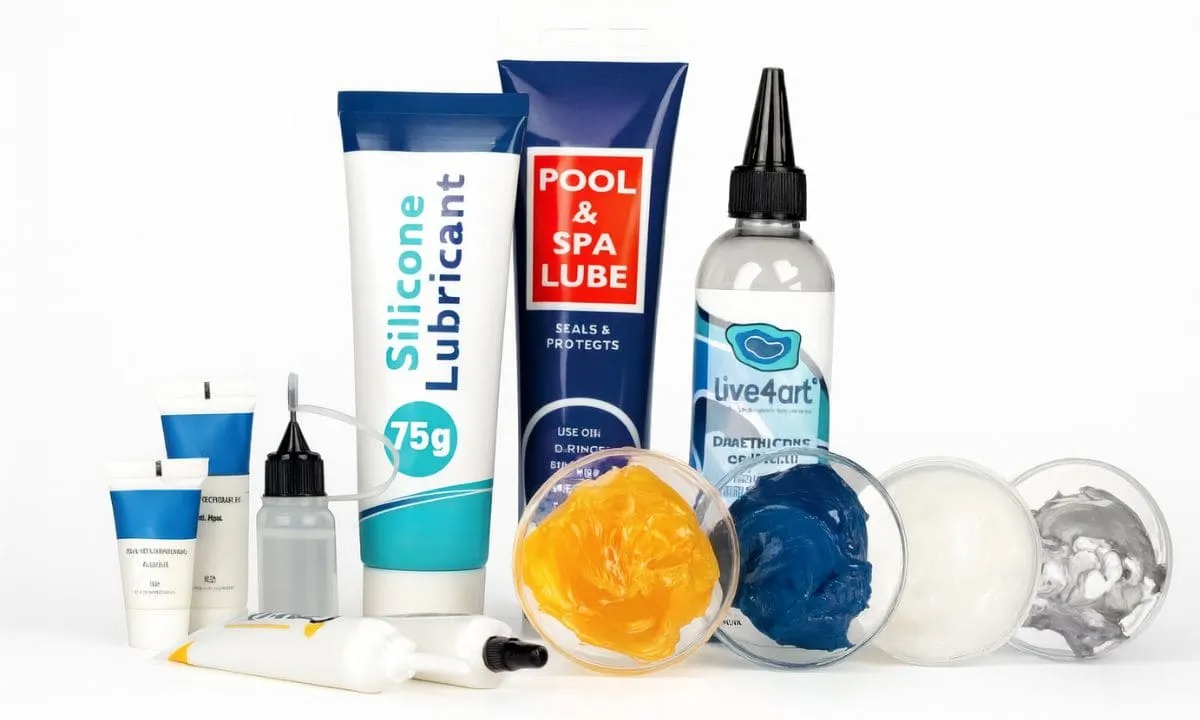
Products
Greases
- Silicone Grease
- Food Grade Grease
- Brake Grease
- O-Ring Grease
- Dielectric Grease
- Anti-Seize Lubricant
- Valve Grease
- Assembly Grease
- Gear Grease
- High Temp Grease
- PFPE Grease
- Bearing Grease
- Electrical Contact Grease
- PTFE Grease
- Damping Grease
- Multi-Purpose Grease
- Rubber Grease
- Conductive Grease
- Moly Grease
Oils & Adhesives
Specialty Products
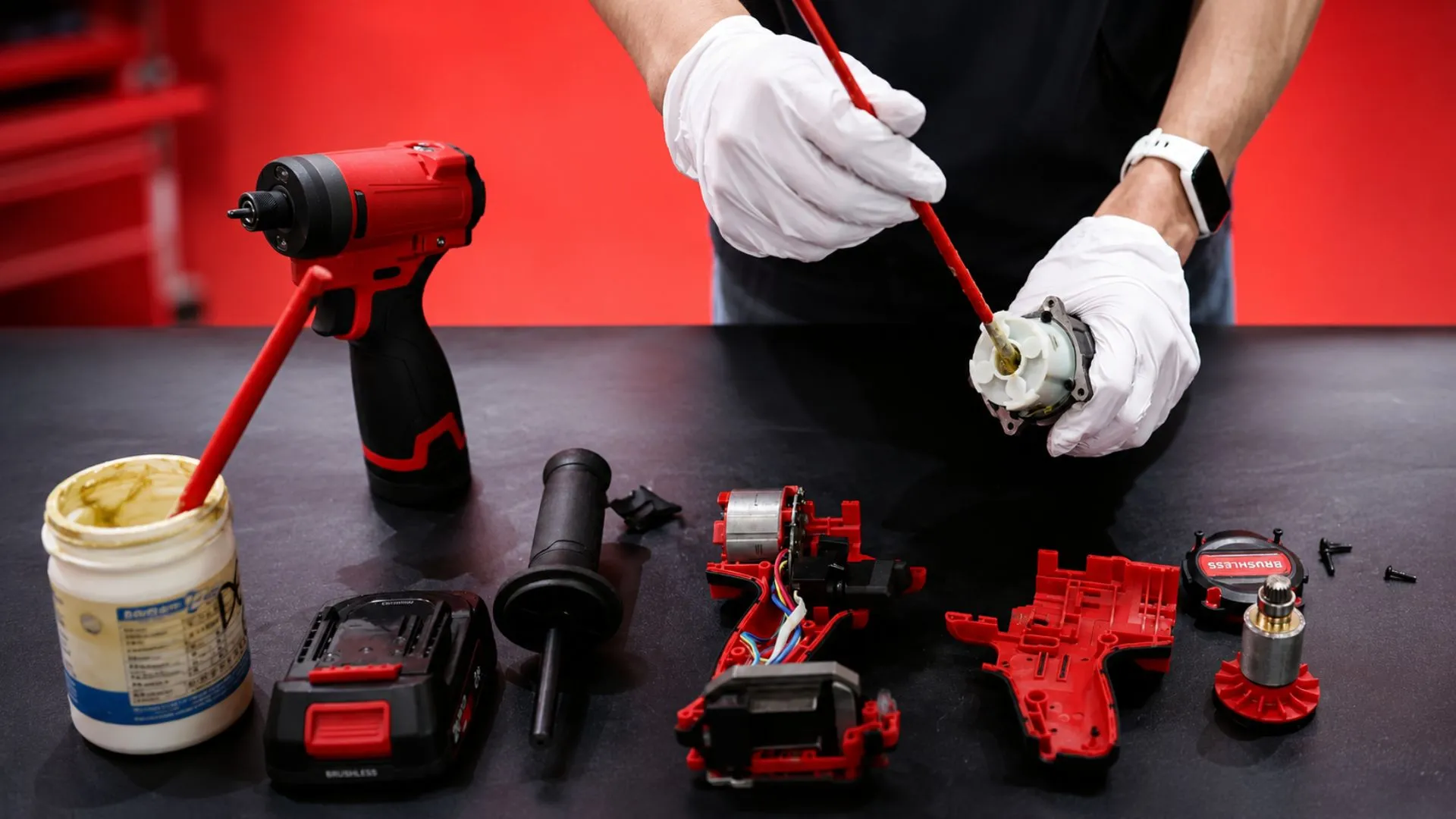
High-Performance
Electric Power Tool Grease
Engineered for extreme speeds, heavy loads, and high temperatures. Minimize wear, reduce noise, and extend the lifespan of your critical power tool components.
Engineered Lubrication for Power Tool Manufacturers
Power tools combine high rotational speed, shock loading, compact gearboxes, repeated start-stop cycles and temperature rise in a small housing. A suitable grease must match the exact component rather than relying on one universal formula.
Innovators in Lubrication Technology
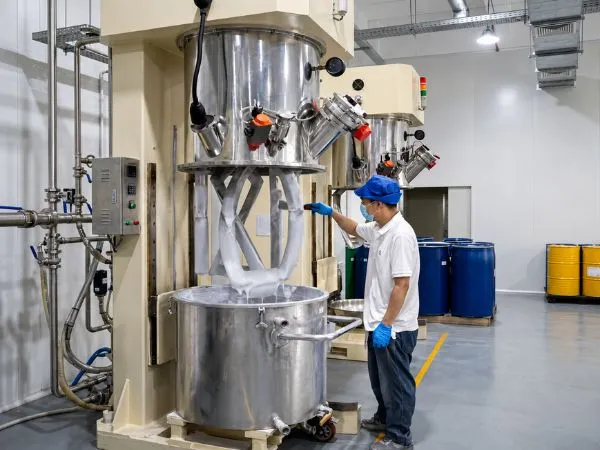
With over 15 years of industry experience, Morelic has served more than 30 industries and completed over 1,000 client projects worldwide. We support power tool manufacturers and lubricant brands with application-specific formulas, sample testing, small-pack filling and private-label production.
Advanced R&D
Our technical team adjusts base-oil viscosity, thickener, consistency and additive systems according to tool speed, load, operating temperature, materials and lubrication method.
Quality-Controlled Production
Raw materials, blending, filling and finished products are managed through documented production and inspection procedures.
Fast & Flexible
Multiple filling formats support engineering samples, pilot orders, small tubes, pouches, jars and larger OEM production.
Documentation Support
TDS, SDS, batch documents and RoHS or REACH documentation can be supplied where applicable to the approved formula.



One Power Tool, Multiple Lubrication Requirements
A power tool may contain gears, bearings, impact parts, cylinders, seals, plastic interfaces and electrical contacts. These components differ in speed, load, material and lubrication method, so they should not automatically use the same grease.
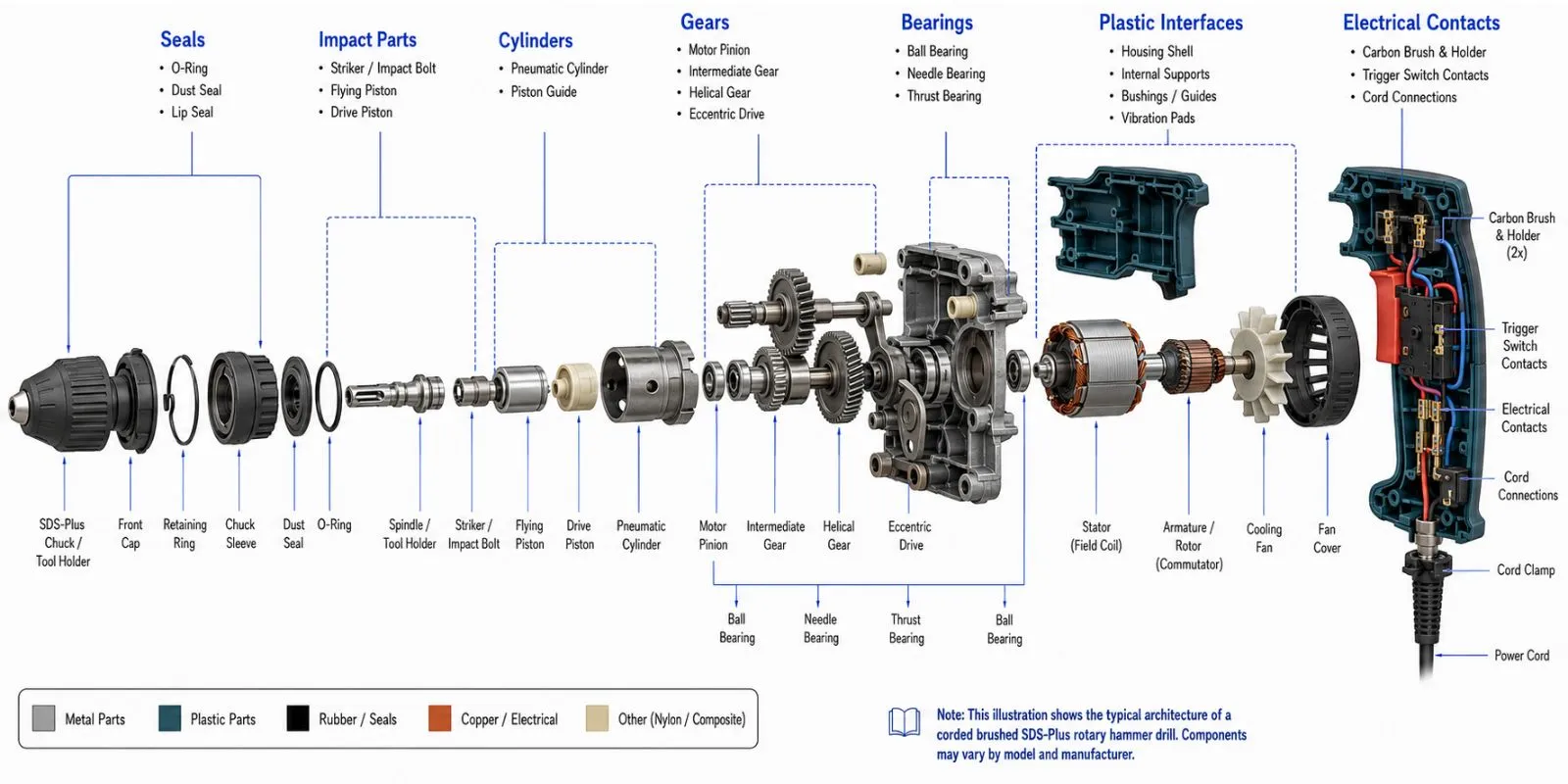
Gearbox
Conditions: High torque, gear meshing, repeated start-stop cycles and centrifugal force.
Direction: EP synthetic gear grease with suitable base-oil viscosity, shear stability and adhesion.
Motor Bearings
Conditions: High speed, temperature rise, noise and low starting torque.
Direction: Low-friction high-speed bearing grease selected according to bearing size, speed factor and target service life.
Impact Mechanism
Conditions: Shock loading, vibration, elevated temperature and repeated impact.
Direction: High-temperature, anti-wear and shear-resistant impact mechanism grease.
Piston and Cylinder
Conditions: Reciprocating movement, high-frequency shear, leakage control and surface wetting.
Direction: Cylinder-specific grease or semi-fluid lubricant according to tool design.
Spindle and Chuck
Conditions: Load, vibration, metal contact and contamination.
Direction: Adhesive anti-wear grease selected according to speed and chuck structure.
Plastic Sliding Parts
Conditions: Plastic-to-plastic or plastic-to-metal friction and potential chemical incompatibility.
Direction: Plastic-compatible synthetic grease verified against the actual polymer and elastomer.
Trigger & Controls
Conditions: Repeated actuation, controlled operating force and consistent tactile feel.
Direction: Plastic-safe motion-control or damping grease with controlled shear resistance.
Battery Contacts
Conditions: Fretting, moisture, oxidation and repeated mating cycles.
Direction: Application-specific electrical contact grease, not general gearbox grease. Explore grease for electrical moisture protection.
Gear grease, bearing grease, cylinder grease, damping grease and electrical contact grease are not automatically interchangeable. Final selection should be based on the component design and validation test.
Common Lubrication Challenges in Power Tools
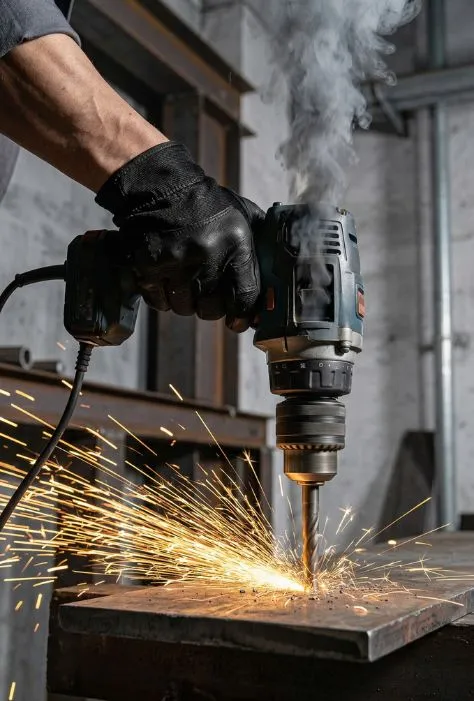
Morelic manufactures application-specific grease designed to overcome extreme operational stresses inside compact power tool housings.
Extreme High Temperatures
Continuous operation and impact loading can increase local temperature, reduce grease consistency, accelerate oxidation and weaken the lubricating film.
Severe Friction & Wear
High torque, shock loading and rapid gear meshing can increase adhesive wear, surface fatigue and scuffing when the lubricating film is insufficient.
Grease Throw-Off & Leakage
High rotational speed and repeated orientation changes may displace grease from gear teeth or push excess lubricant toward seals and housing gaps.
Material Incompatibility
An incompatible base oil or additive system may cause certain plastics or elastomers to swell, crack, soften or lose mechanical properties.
Shear and Channeling
Grease may be repeatedly sheared by gears and impact mechanisms. If it becomes too soft, leakage may increase; if it is too stiff or fails to flow back, the lubrication point may become starved.
Noise, Efficiency & Torque
An unsuitable grease may increase drag, operating temperature, gear noise or battery consumption, especially in compact cordless tools.
Targeted Grease Solutions for Every Critical Component
Match the right formulation direction to the specific operational challenge of your power tool component.
| Component | Operational Challenge | Recommended Formula Direction | Selection Priorities |
|---|---|---|---|
| Gear System | High torque, extreme pressure, temperature rise and grease displacement | Synthetic lithium-complex or application-matched EP gear grease; solid lubricants may be considered for suitable metal gear systems | Gear material, speed, load, base-oil viscosity, seal design and grease fill quantity |
| Motor Bearings | High RPM, heat generation, noise and drag | Low-friction synthetic polyurea, lithium or lithium-complex bearing grease selected by speed factor | Bearing type, speed, temperature, torque, noise and target service life |
| Impact Mechanism | Shock loading, vibration, high local temperature and repeated shear | High-temperature, anti-wear and shear-resistant impact grease | Impact energy, operating temperature, reflow, leakage and material compatibility |
| Piston & Cylinder | High-frequency reciprocation, surface wear, wetting and sealing requirements | Cylinder-specific synthetic grease or semi-fluid lubricant matched to the design | Stroke frequency, clearance, seal material, oil separation and leakage |
| Plastic Components | Risk of swelling, cracking or embrittlement | PAO, silicone or another plastic-compatible synthetic grease after compatibility testing | Exact polymer, elastomer, temperature, torque and required adhesion |
| Triggers & Controls | Repeated actuation, force control and inconsistent operating feel | Plastic-safe motion-control or damping grease | Required torque, tactile feel, temperature and plastic compatibility |
| Battery Contacts | Fretting, oxidation, moisture and repeated insertion | Electrical contact grease selected for the connector design | Contact force, electrical behavior, connector material and current level |
Note on MoS₂: MoS₂ or other solid lubricants may be considered for suitable metal-to-metal, high-load applications, but they should not be presented as universally suitable for high-speed bearings, plastic gears, clutches or every compact gearbox.
Not Sure Which Formula Fits Your Tool?
Send the tool type, lubrication point, speed, temperature and current grease to Morelic for an initial recommendation.
Performance Data & Product Selection
Find the exact formulation engineered for your specific power tool application.
| Application Point | Problem / Challenge | Recommended Model | Product Features | End-User Benefit |
|---|---|---|---|---|
| Light Rotary Hammer (Cylinder) | Wear, oil leakage, short lifespan | ML-SYN1002 | Special anti-wear additives, semi-immersed lubrication | Long life, wear-resistant, good wetting, no oil leak, 200+ hrs continuous run |
| Light Rotary Hammer (Gear) | Wear, carbon buildup | ML-JF375 | Contains organic molybdenum anti-wear additive | Long life, wear-resistant, no carbon, 200+ hrs continuous run |
| Heavy Rotary Hammer (Gear) | High heat, severe wear | ML-T177 | Lithium complex formula, high temp resistant, special additive blend | Wear-resistant, high temp resistant, long life, 80+ hrs run |
| Heavy Rotary Hammer (Cylinder) | High heat, severe wear | ML-V177 | Lithium complex formula, high temp resistant, special additive blend | Wear-resistant, high temp resistant, long life, 80+ hrs run |
| Angle Grinder Gear | Noise, high friction, wear | ML-V469 | Dedicated for curved gears, contains MoS2 solid additives | Wear-resistant, noise reduction, long life, 200+ hrs run |
| Electric Pruning Shears Gear | High temperatures, wear | ML-SYN104 | Fully synthetic base oil, organic Mo anti-wear | Long life, wear-resistant, high temp resistant |
| Electric Pruning Shears Brake Spring | Poor adhesion, plastic incompatibility | ML-SYN208 | Synthetic grease, ideal for plastic-plastic & plastic-metal | Strong adhesion, wear resistance, plastic compatibility |
| Water Grinder Gear & Bearing Shell | Heavy load, harsh wet environment | ML-XHP222 | Lithium complex, med-high viscosity base oil. Excellent adhesion | Long life, load-resistant, wear-resistant, won't soften |
| Cordless Circular Saw Gear | Friction, extreme temperature swings | ML-SYN104 | Fully synthetic lithium complex, special EP anti-wear agents | Wear-resistant lubrication for gears/helical parts, high/low temp resistant |
| Nail Gun Cylinder | High-frequency shear, heat buildup | ML-V177 | Effectively reduces wear and temp rise from high-frequency operation | High temp resistant, anti-wear, shear resistant |
| Electric Drill Gear | Heavy load, wear | ML-T104 | Synthetic grease, broad temperature range | Long life, load-resistant, wear-resistant, high/low temp resistant |
| Lawn Mower Gear | Heavy load, severe wear | ML-SYN106 | Synthetic oil lithium complex formula, reduces gear wear | Wear-resistant, load-resistant, long life |
Performance statements shown above are based on specific internal or customer application tests under defined tool, load, temperature, grease quantity and test-cycle conditions. Results may vary with equipment design and operating conditions. Request the corresponding test conditions or approved technical data before using these values for commercial claims.
How to Choose Grease for an Electric Power Tool
Select power tool grease by lubrication point, speed, load, temperature, material compatibility, housing design and grease quantity. NLGI grade or grease color alone is not enough to determine suitability.
Step 1 — Identify the Lubrication Point
Confirm if it's a gear, bearing, impact mechanism, cylinder, plastic sliding surface, seal, or electrical contact.
Step 2 — Confirm Speed and Motion
Confirm high-speed rotation, low-speed heavy load, oscillation, impact, reciprocating movement, or frequent start-stop operation.
Step 3 — Determine Load and Contact Type
Confirm spur gear, bevel gear, helical gear, curved gear, metal-to-metal, plastic-to-plastic, plastic-to-metal, or rolling bearing.
Step 4 — Check Temperature and Environment
Confirm normal operating temperature, peak local temperature, dust exposure, water exposure, storage temperature, and duty cycle.
Step 5 — Confirm Materials
Confirm steel, sintered metal, Nylon, POM, PA, ABS, rubber seals, or elastomers.
Step 6 — Validate Quantity and Cycle
Confirm fill quantity, application method, gear coverage, tool orientation, leakage, noise, temperature rise, current draw, and endurance test.
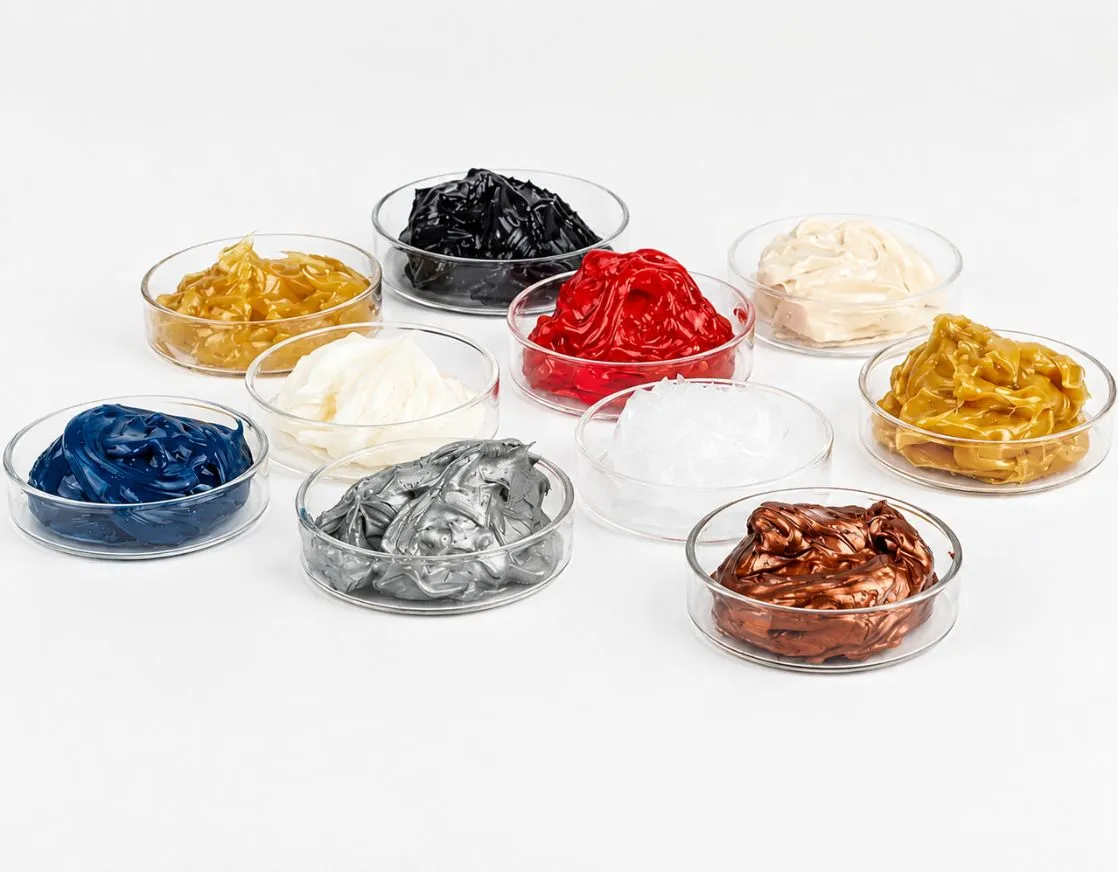
| Operating Condition | Preferred Formula Direction | Main Risk to Control |
|---|---|---|
| High-speed bearings | Lower-viscosity, low-friction bearing grease | Heat, drag and noise |
| Low-speed heavy-load gears | Higher-viscosity EP gear grease | Wear, pitting and film failure |
| High-impact mechanism | Shear-resistant high-temperature grease | Softening, leakage and wear |
| Plastic gears or sliders | Verified plastic-compatible synthetic grease | Cracking, swelling and torque change |
| Wet cutting tools | Adhesive, water-resistant grease | Washout, corrosion and softening |
| Wide-temperature cordless tools | Synthetic wide-temperature grease | Cold-start torque and oxidation |
| Enclosed grease sump | Shear-responsive grease with controlled flow | Starvation, channeling and leakage |
These directions are not universal specifications. Final viscosity, thickener, NLGI grade and additive system must be validated on the customer’s actual tool.
Validate the Grease Before Mass Production
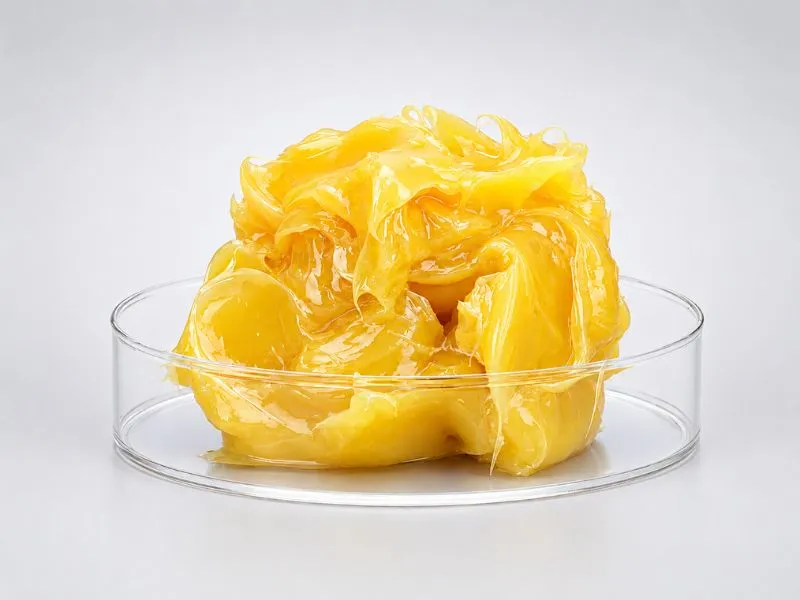
A grease that appears suitable on a technical data sheet may still behave differently in a compact power tool. Morelic recommends evaluating the lubricant in the actual gearbox, impact unit or cylinder before commercial approval.
Validation Process
Temperature-Rise Test
Compare gearbox, bearing or housing temperature during a defined operating cycle.
Noise and Vibration Test
Measure changes in gear noise, bearing noise and vibration after lubrication.
Leakage and Throw-Off Test
Inspect seals, housing joints, gear coverage and grease migration in different tool orientations.
Endurance Test
Run the tool through defined load, speed, impact and rest cycles.
Material Compatibility Test
Evaluate plastic and elastomer changes such as swelling, cracking, softening, discoloration or torque variation.
Wear Inspection
Inspect gears, bearings, pistons, cylinders and contact surfaces after the test.
Beyond Formulas:
One-Stop Business Solutions
We do not only supply off-the-shelf grease. Morelic supports formula development, test samples, packaging engineering and private-label production to help power tool brands move from technical evaluation to market-ready products.
Custom Formulation
Our R&D team adjusts thickener type, base-oil viscosity, consistency, adhesion and additive systems according to the tool structure and test target.
Sample and Pilot Testing
Engineering samples and pilot batches allow customers to evaluate noise, temperature, leakage, wear and durability before mass production.
Small-Packaging OEM / ODM
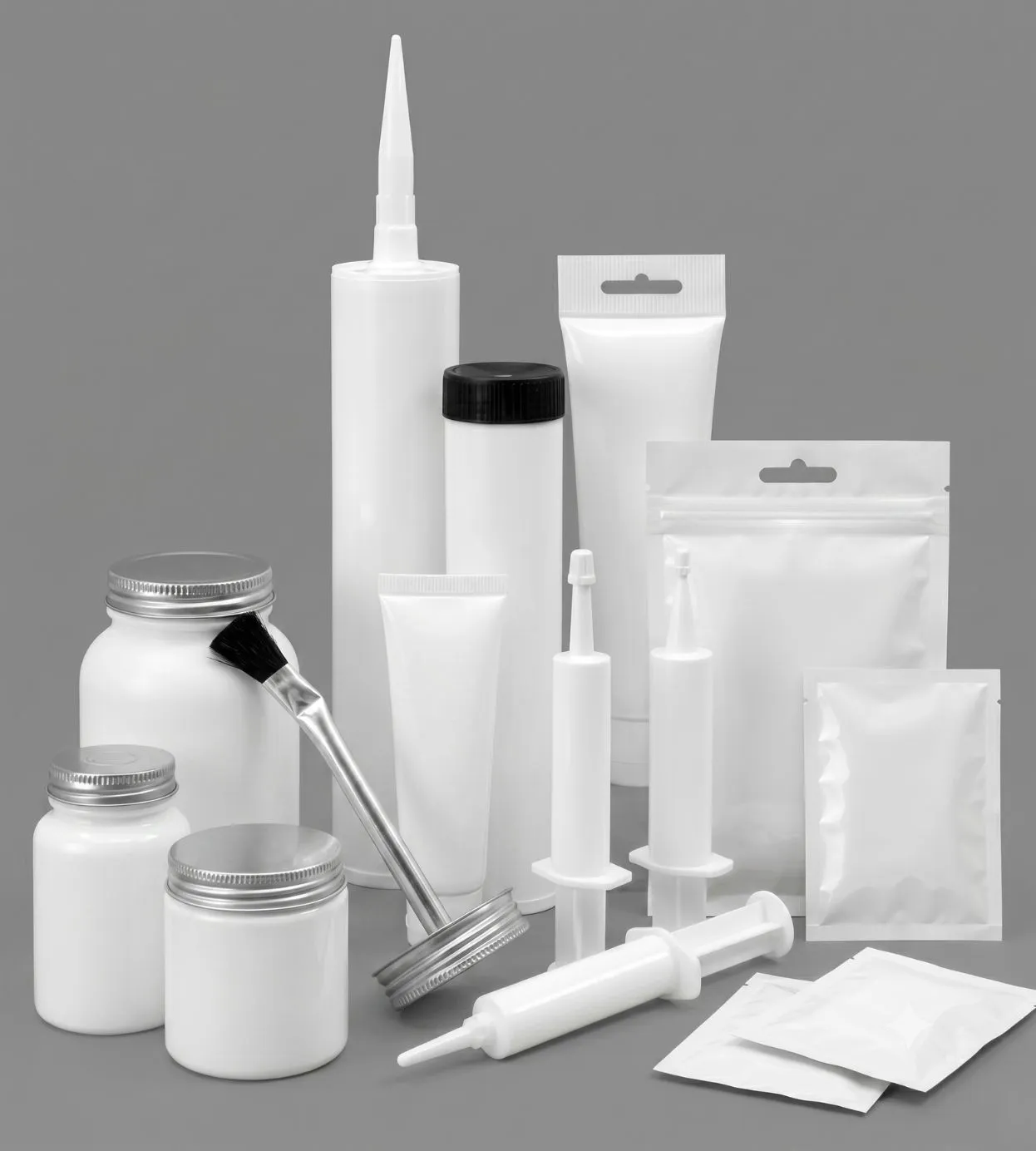
Available formats include small tubes, sachets, syringes, jars, cartridges, repair kits and industrial containers.
Private-Label Support
Support can include label artwork, printed tubes, cartons, barcodes, batch coding, multilingual packaging and export cartons.
Customizable
Why Power Tool Brands Work with Morelic
Application-Specific Range
Morelic provides dedicated models for rotary hammers, grinders, drills, saws, pruning tools, nail guns and lawn equipment.
Formula Development
Formulas can be adjusted according to speed, load, temperature, leakage control and material compatibility.
Small-Pack Manufacturing
Support for small tubes, sachets, syringes, jars and retail maintenance kits.
Testing-Oriented Development
Samples can be evaluated through customer-defined endurance, temperature, noise and wear tests.
Flexible OEM Projects
Suitable for engineering samples, pilot projects, private-label products and repeat production.
Technical Documentation
TDS, SDS and applicable compliance documentation can be prepared according to the approved product.
Related Lubricants for Power Tool Components
Power tool grease is not one universal product. Bearings, gears, plastic interfaces, electrical connections and control mechanisms may require different lubricant families.
Gear Grease
For loaded spur, bevel, helical and other gearbox applications.
Explore Gear Grease Solutions →Bearing Grease
For rolling bearings selected according to speed, load and operating temperature.
Explore High-Speed Bearing Grease →Moly Grease
For suitable heavy-load metal-to-metal applications requiring solid-lubricant support.
Explore Moly Grease →Damping Grease
For triggers, controls and motion mechanisms requiring controlled torque and tactile feel.
Explore Motion-Control Damping Grease →Dielectric Grease
For selected electrical connectors and moisture-protection applications.
Explore Dielectric Grease →Frequently Asked Questions
What makes power tool grease different from standard grease?
What grease should be used in a power tool gearbox?
Can you customize grease for extreme high-speed grinders?
What grease is suitable for rotary hammer cylinders?
Can MoS₂ grease be used in every power tool gearbox?
Are your lubricants compatible with plastic gears and housings?
Is bearing grease the same as gearbox grease?
How much grease should be placed in a power tool gearbox?
Do you offer private-label grease in small tubes or pouches?
What is the minimum order quantity for custom formulations?
Can I request samples before bulk ordering?
What information should I provide for a grease recommendation?
How do you support global compliance?
What is the typical lead time for OEM orders?
Need Grease for a Power Tool or OEM Product Line?
Request a sample, submit an existing TDS or tell us about your tool application. Morelic will recommend a product model or customized formula for evaluation.
Email Us
[email protected]Call / WhatsApp
+86 195 1520 4360Headquarters
No. 8, Xintang Village, Longhua District, Shenzhen, Guangdong, China