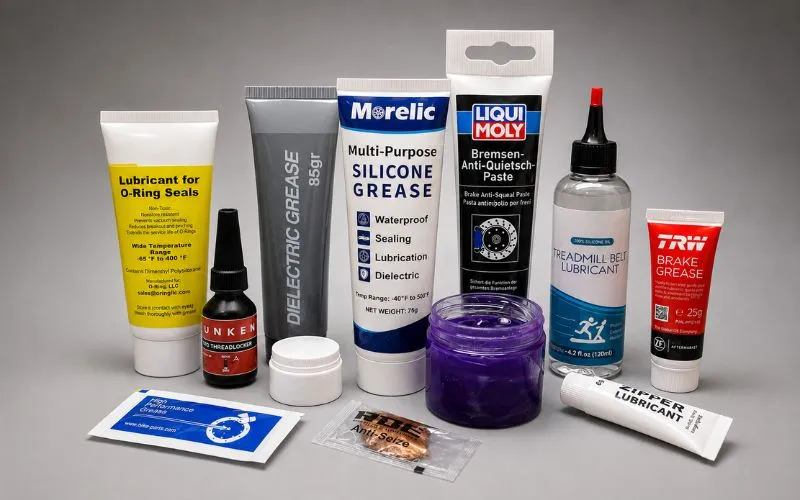
Braking systems operate under extreme heat, pressure, and exposure to water and road contaminants. Using the wrong lubricant can cause brake noise, sticking calipers, uneven pad wear, or even reduced braking performance.
So what’s the real difference between brake grease and regular grease?
Brake grease is specifically formulated for high-temperature, high-load brake components such as caliper slide pins and pad backing plates. Regular grease is designed for general mechanical lubrication and typically cannot withstand brake system conditions.
What is Brake Grease?
Brake grease (or brake lubricant) is a high-temperature, synthetic compound used on non-friction metal-to-metal brake contact points to prevent squealing, reduce heat, and stop premature wear.
Typical characteristics:
- Temperature rating: 400°F–1000°F (depending on formulation)
- Excellent water washout resistance
- Compatible with EPDM rubber boots
- Strong anti-corrosion protection
- High load-carrying capability
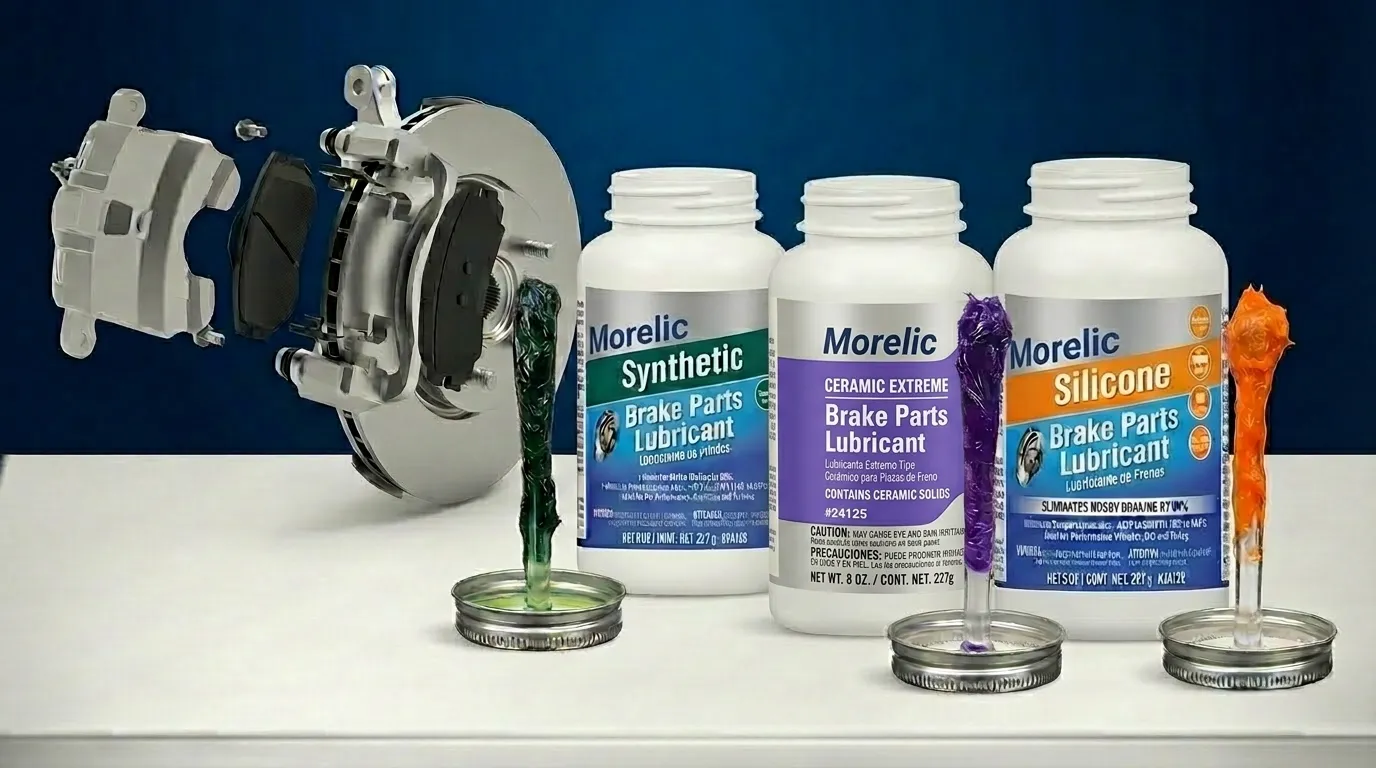
Common Types of Brake Grease
- Silicone brake grease – Excellent rubber compatibility, ideal for caliper slide pins
- Synthetic brake grease (PAO-based) – Higher load stability
- Ceramic brake lubricant – Extreme temperature applications
- Copper anti-seize (for backing plates only) – Not suitable for slide pins
Most brake lubricants are NLGI Grade 2 for optimal consistency in caliper applications.
What is Regular Grease?
Regular grease is a general-purpose lubricant commonly used in:
- Bearings
- Hinges
- Chassis components
- Industrial machinery
Typical features:
- Petroleum or mineral oil base
- Temperature rating usually below 300°F
- Moderate water resistance
- Not specifically rubber-safe
While effective for many applications, regular grease is not engineered for braking system conditions.
Brake Grease vs Regular Grease: Key Differences
| Feature | Brake Grease | Regular Grease |
|---|---|---|
| Temperature Rating | 400°F–1000°F | Up to ~300°F |
| Water Resistance | Excellent | Moderate |
| Rubber Compatibility | Safe for EPDM | May cause swelling |
| Application | Brake calipers & hardware | General mechanical use |
| Corrosion Protection | High | Moderate |
Where Is Brake Grease Used?
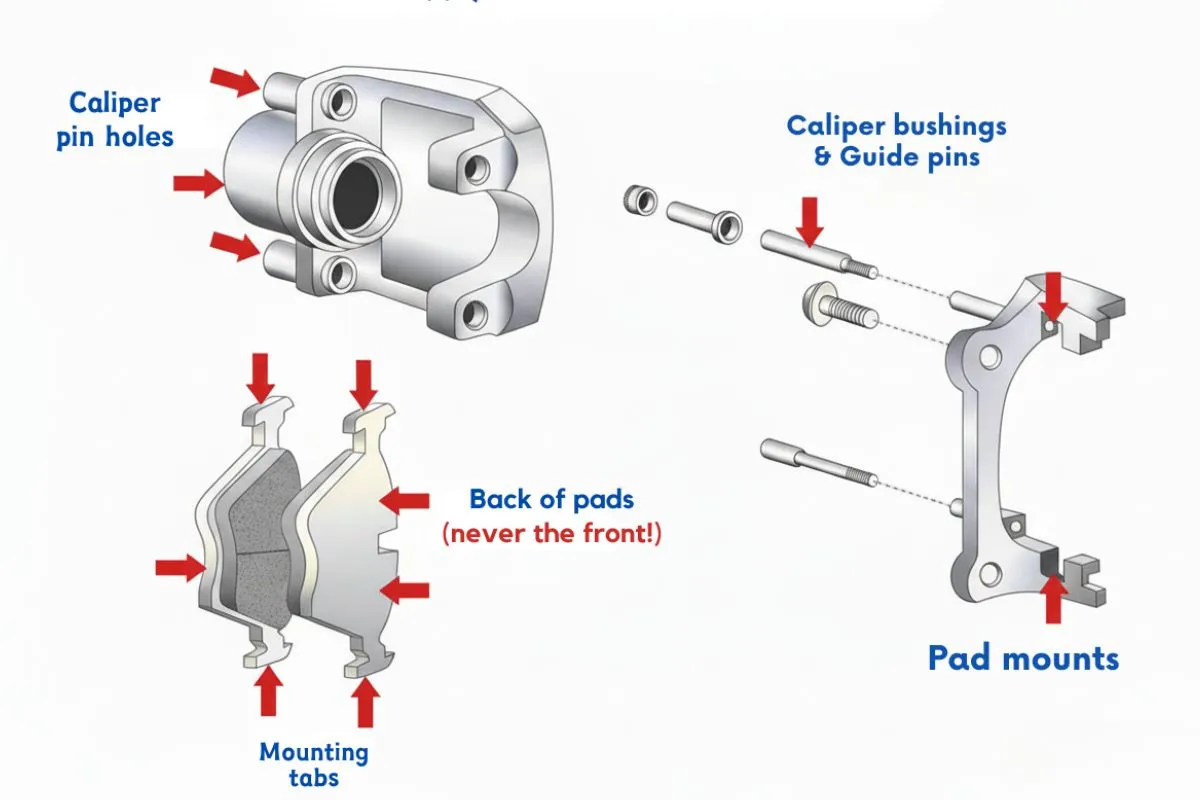
Brake grease should only be applied to specific non-friction components:
- Brake caliper slide pins
- Pad backing plates
- Caliper hardware contact points
- Anti-rattle clips
Never apply grease to:
- Brake rotors
- Brake pads friction surface
- Drum braking surfaces
Using the correct brake caliper slide pin grease ensures smooth caliper movement and prevents brake drag.
Can I Use Regular Grease on Brakes?
Short answer: No.
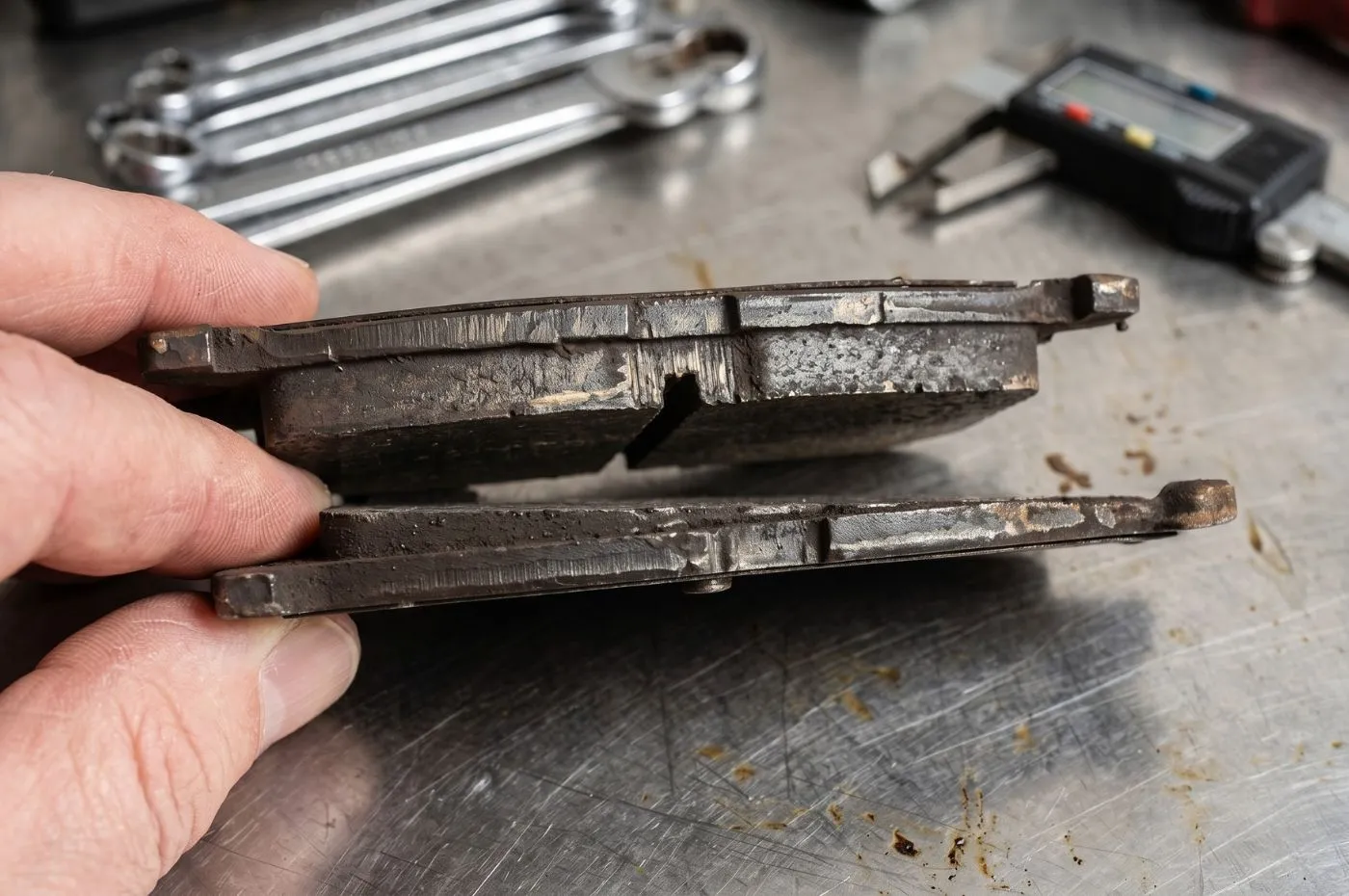
Using regular grease on brake components can lead to:
1. Grease Melting
Petroleum-based grease may liquefy under braking heat.
2. Rubber Boot Swelling
Incompatible grease can damage EPDM caliper seals.
3. Sticking Calipers
Improper lubrication may cause slide pins to seize.
4. Uneven Brake Pad Wear
Restricted caliper movement leads to uneven pressure distribution.
For safety-critical systems like brakes, always use a high temperature brake grease designed specifically for automotive braking systems.
How to Choose the Best Grease for Brake Calipers
When selecting brake grease, consider:
1️⃣ Temperature Rating
Ensure it exceeds expected braking temperatures (minimum 400°F).
2️⃣ Rubber Compatibility
Must be safe for EPDM rubber components.
3️⃣ Load Stability
Should resist squeeze-out under pressure.
4️⃣ Water & Corrosion Resistance
Important for vehicles exposed to rain, snow, or road salt.
For professional workshops and OEM applications, synthetic or silicone-based brake grease is typically recommended.
Conclusion
The difference between brake grease and regular grease comes down to engineering design.
Brake grease is built for:
- High temperatures
- Heavy mechanical loads
- Moisture exposure
- Rubber compatibility
Regular grease is not.
Using the proper brake lubricant improves braking performance, reduces noise, and extends component life.
For any brake-related application, never substitute with general-purpose grease.
FAQ
1. What is the temperature rating of brake grease?
Most brake greases are rated between 400°F and 1000°F, depending on formulation.
2. What is the best grease for brake calipers?
A silicone or synthetic high-temperature brake grease that is EPDM-compatible and NLGI Grade 2.
3. Can regular grease damage brake components?
Yes. It may melt under heat and cause rubber swelling or caliper sticking.
4. Is silicone brake grease better than petroleum grease?
Yes. Silicone grease offers superior rubber compatibility and higher thermal stability for brake systems.